Prison term ‘karma’, says Hong Kong man freed after 26 years in Philippine jail
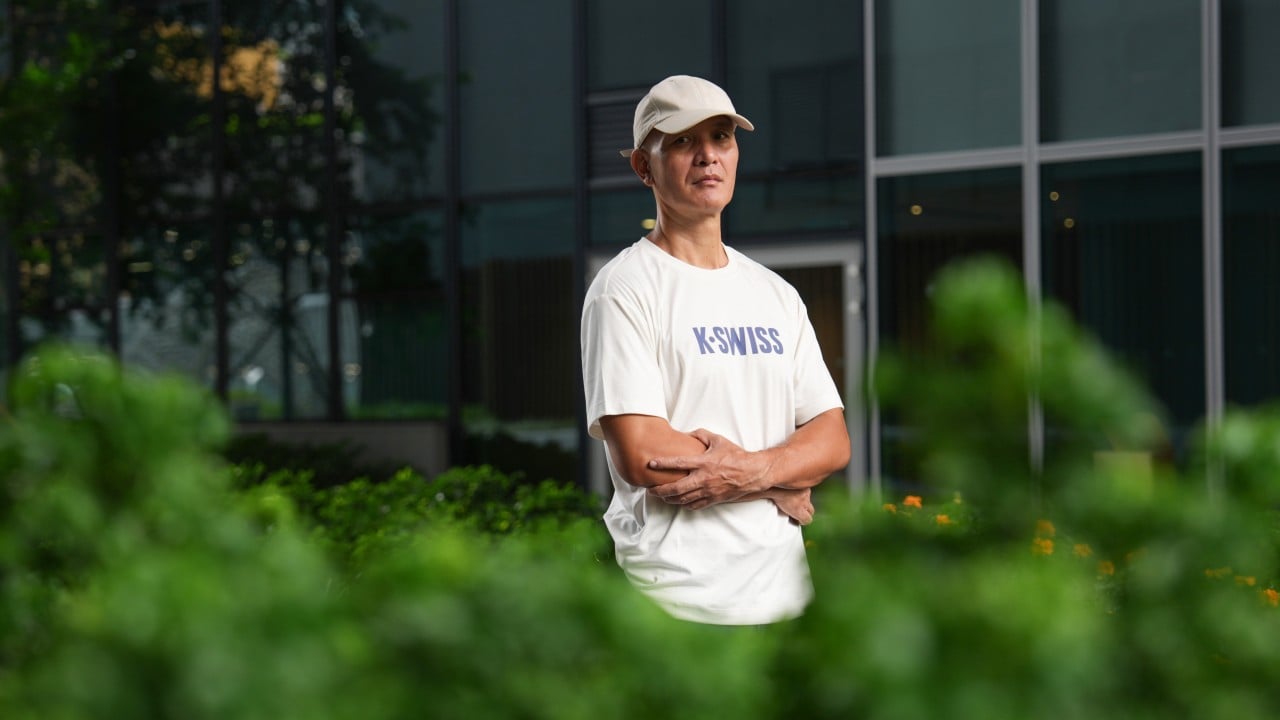
On his 29th birthday, Hong Kong bartender Tang Lung-wai boarded a flight to the Philippines for a holiday that would change his life.
He ended up spending 26 years in jail in the country.
Now 55, Tang spent years fighting his drug-related charges, insisting that he had been framed. But he told the South China Morning Post that he did not view those lost decades solely through the lens of bitterness.
“At first, I felt a lot of resentment about being framed like that. But in the end, it’s no use holding onto so much resentment. Since you’re already in jail and since you cannot change what has already happened, you just have to change yourself to adapt to this environment,” he said.
Tang, who returned to Hong Kong on Tuesday after being released from prison, said he considered his 26 years behind bars “karma” for being a “b*****d” to his family, whom he had ignored, the friends he had betrayed and the girlfriends he had cheated on.
“What I learned in prison is how to be a proper human being,” he said.
“It is like heaven arranged for me to learn how to be a proper person. Once I have learned it, they let me out.”
Being able to walk out safe and sound, Tang considered himself to have repaid all his karmic debt.
‘Troubled kid’
Tang was arrested in Manila in July 2000 for possession of methamphetamine, also known as Ice, and remanded in custody. He was convicted more than a decade later, in 2011, and handed a life sentence, which in the Philippines can mean up to 40 years in prison.
A Manila court ruled in July that his sentence would be commuted in view of his good conduct. He was deported and returned home on Tuesday night.
Reflecting on his life behind bars, Tang said prison had changed him profoundly.
Growing up in a Kwai Chung public housing estate, Tang was the middle child in his family. As a teenager, he fell in with neighbourhood street gangs.
“People could tell right away that I was a troubled kid,” Tang recalled, stressing that he was never a triad member and had no criminal record in Hong Kong.
He fought for years to prove his innocence, arguing that he was not in the Philippines when surveillance related to the crime was carried out on June 1, 2000. He visited the country on June 19, 2000.
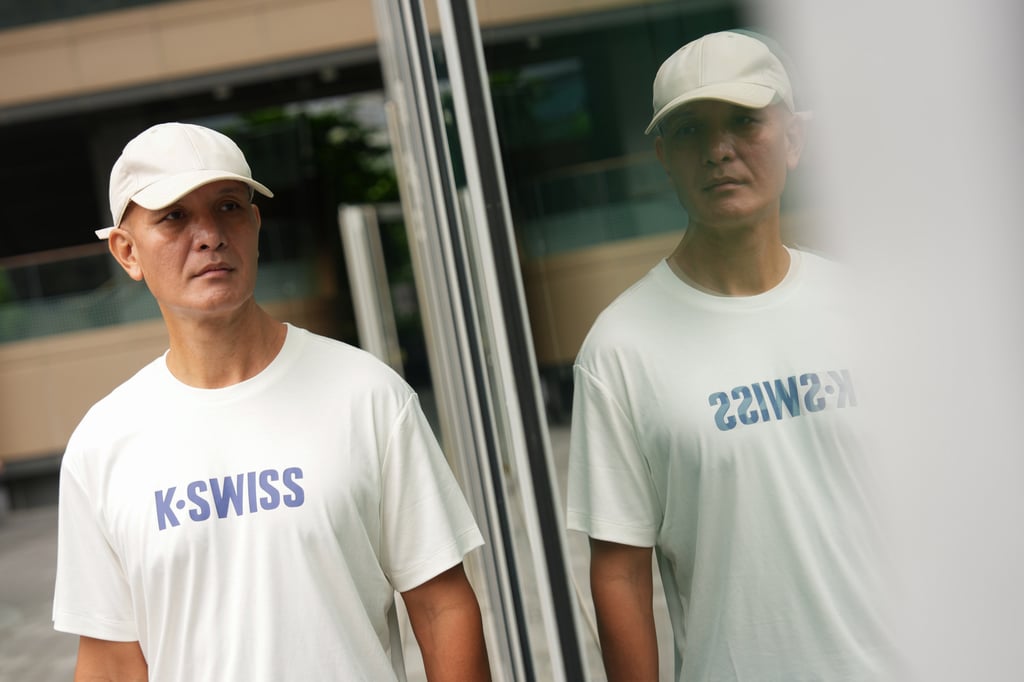
Tang said he believed he came to the attention of police when co-defendant Cheung Tai-on, a casino worker whom he knew through friends, picked him up at the airport. They travelled together for a few days.
He recalled that Cheung later admitted to telling police his whereabouts after he himself was arrested.
On July 18, police pulled Tang from a taxi outside his hotel in Manila. He was taken to a police station where he claimed he was beaten up and extorted for money in exchange for his release.
Police then placed him in a flat in Quezon City, Metro Manila, with other co-defendants and staged a raid, finding 8kg of Ice inside, he said. He said they were forced to admit the crime at gunpoint.
Tang recalled he was furious with Cheung and assaulted him several times while they were remanded in a police cell. But as time passed, he forgave him. Cheung once took the blame for him after he was caught keeping a mobile phone, a banned item in prison, and was kept in solitary confinement for a month.
Cheung died of a heart attack in prison in 2016. “When he died, I could not believe I cried. I really cried. I think it’s a pity,” he said.
Low profile for survival
Tang spent 11 years in custody before he was convicted. He was remanded for eight months in a police cell before he was sent to Quezon City Jail – infamous for overcrowding and poor living conditions – where he said he spent his worst few years.
He said the prison was like a small community with shops, restaurants and wet markets operated by inmates, as well as gyms, churches and hospitals.
“Never use a Hong Kong perspective to think about the Philippines,” he said, adding that the rich could even build houses inside the prison. “You can live a different life depending on how much you have in your pocket.”
At first he had no money to secure a bed from the inmate leader and slept on the ground, sometimes by a drain or outside a toilet, jostling with other prisoners, he said. Conditions were so bad that he caught a skin disease.
“I was always starving,” he said, as prison only served small pieces of meat, a small bowl of rice and some bread.
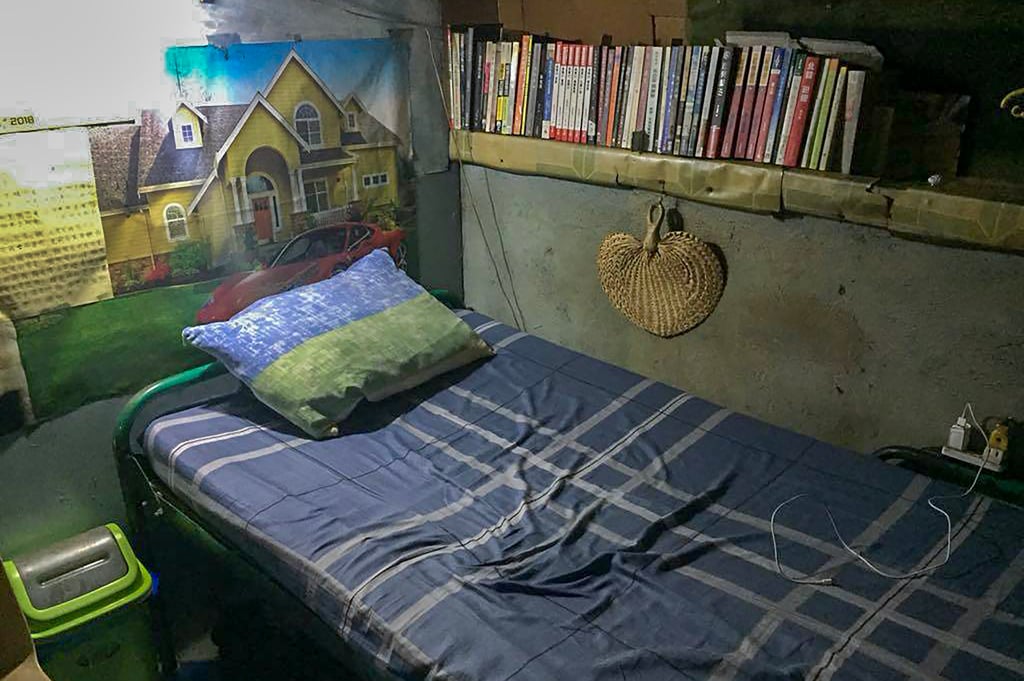
“I was so poor that I had no money to buy toothpaste,” Tang recalled, adding that he used his fingers to rub salt on his teeth to clean them.
He earned extra food by washing clothes for wealthier Chinese inmates, looking after their children, who were allowed to stay in prison during family visits, and helping out in restaurants.
Tang said he saw gang fights and murders inside the prison and to survive he kept a low profile. “Some prison officers did not know my name after all these 26 years,” he said.
He began writing letters to appeal for help in 2003. As a British National (Overseas) passport holder, he first wrote to the British embassy in Manila. “It took me seven hours to write. There was no AI. I just looked it up in the dictionary,” he said.
He later received allowances of 10,000 pesos every three months from the embassy. He also called the Hong Kong Immigration Department for help.
Into prison routine
After Tang was convicted in 2011, he was transferred to the notorious New Bilibid Prison in Manila.
Following an appeal for help, he received around HK$10,000 in donations. He shared some with Cheung, and spent 10,500 pesos to buy himself a 40 sq ft room with a bed from an inmate leader.
He spent the remaining 6,500 pesos to buy his first smartphone and secretly kept it.
Tang used his smartphone to learn how to use social media and began writing articles on Facebook about his life in prison.
He later published two books, which earned him public attention and donations from readers. However, he received two years of solitary confinement as punishment in 2018.
Tang said his prison life over the past few years had been quite routine. He lived in a large cell with 70 other foreigners.
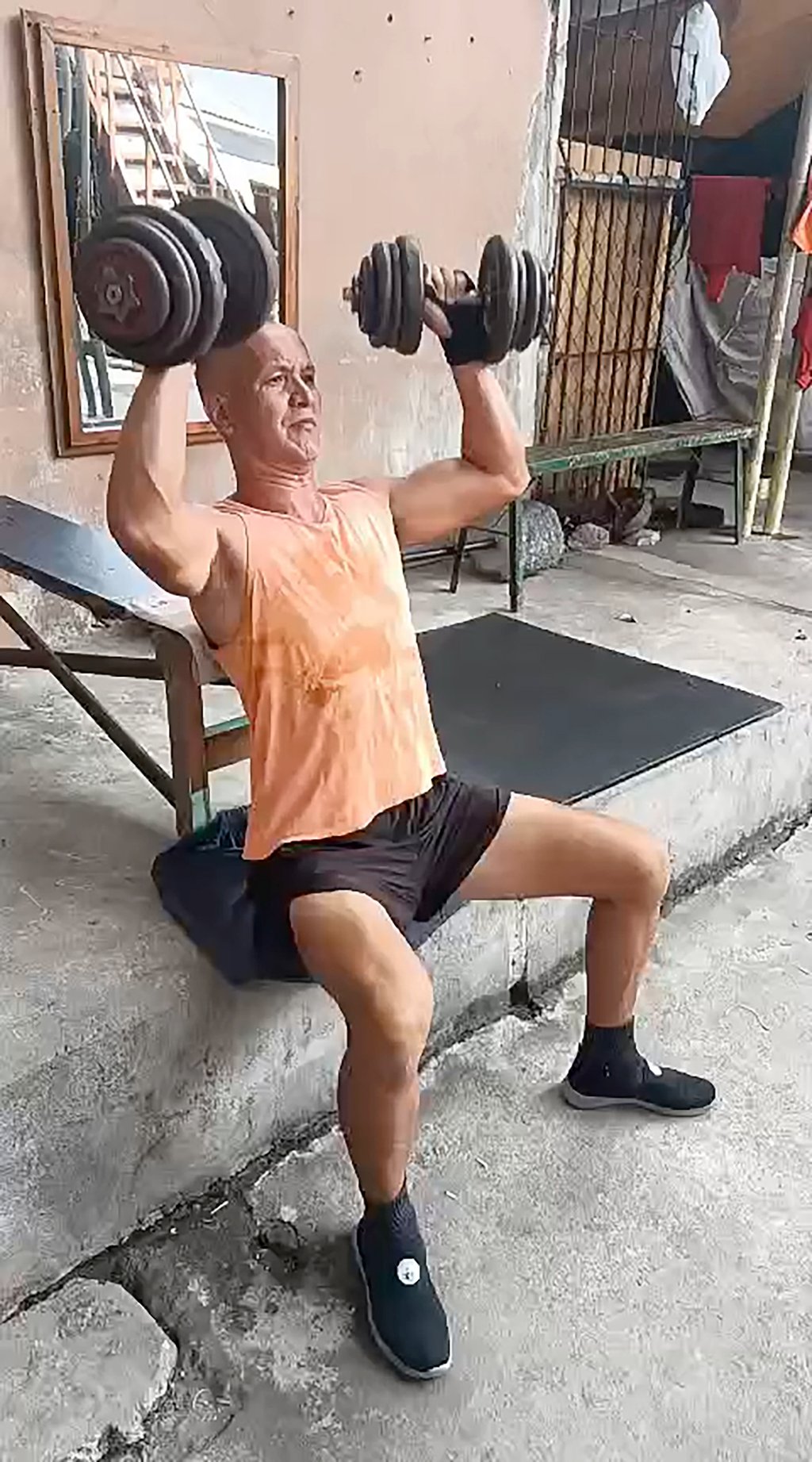
Waking up at 10am, he hit the gym in the morning and then went to the market to buy food, paid for by other prisoners, and prepared lunch for them. He then took a nap and went jogging in the afternoon. After preparing dinner for other inmates, he played on his mobile phone.
Tang said that he had picked up conversational Tagalog but could not fully follow the television news.
Back in Hong Kong, apart from getting a driving licence to make a living, Tang said he also wanted to offer help to troubled youth and obtain a first aid certificate so that he could rescue anyone in an emergency. He also plans to write a third book to record his experiences and anecdotes from prison.
“Hong Kong people have helped me a lot. I also wish to contribute to this society,” he said.
While he had lost the prime years of his life in which he might have had his own family, Tang said he would just go with the flow.
“After these 26 years, there may be something even worse in my life that lies ahead. I don’t know. But I will be stronger in adversity,” he said.
KioskNews shows a cleaned-up reading view extracted from the publisher’s page — the original always lives on their site, not ours.