ESPNHow a mass Man City player exodus would warp the transfer marketPunchNGF mourns victims of Ondo aircraft crashDaily MaverickSHARE WITH US: Online schools in South Africa: what should parents know?The Jerusalem PostFormer German spy chief detained on suspicion of espionage and treason, Bild reportsZDF heuteAktuelle Pressemitteilungen des ZDFSouth China Morning PostGreenpeace catches Hong Kong geopark ‘golden week’ visitors damaging marine lifeCapital FMGovt fast-tracks passport decentralisation as Malindi, Nyeri offices near completionNHK 社会JR東日本 大雨災害を受け運転規制のあり方を検証へNPRVietnamese police arrest 12 suspected of prowling city streets at night, snatching cats for meatکیهان لندنرئیس پیشین سرویس اطلاعات خارجی آلمان به اتهام جاسوسی بازداشت شدABC NewsTrump says his super PAC will now pay for controversial taxpayer-funded promo adsAntara NewsIndonesia targets Rp3,839 tln in downstreaming investment through 2029
The Daily Newsstand · Free, Always
Tuesday, October 6, 2026

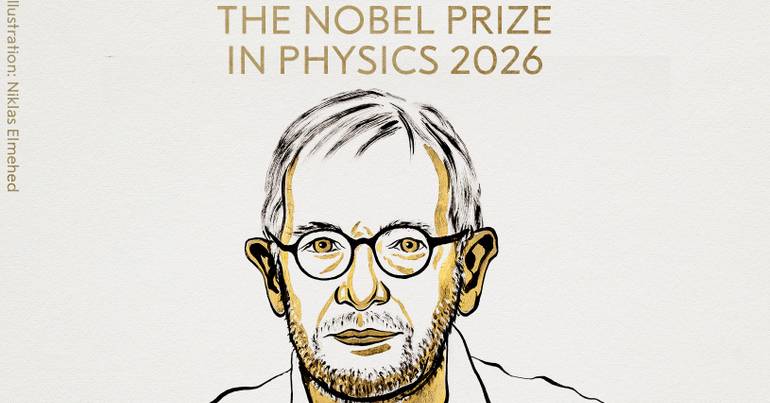
Nobel da Física por descoberta de "neutrinos energéticos"
Translate

O prémio Nobel da Física de 2026 foi atribuído ao cientista Francis Halzen por “contribuições decisivas para o Observatório IceCube Neutrino” e a “descoberta de neutrinos altamente energéticos de origem astrofísica”. O anúncio foi feito esta terça-feira pela secretária-geral da Academia Real de Ciências da Suécia, Ellen Moons, em Estocolmo.

Um neutrino é um “mensageiro fantasma do Espaço” e o físico belga percebeu que seria possível acompanhar estas partículas através do gelo na Antártida. A sua descoberta permitiu a criação de um observatório no polo sul terrestre, onde conseguem seguir o trajeto de neutrinos que “nascem” no Espaço. O mais curioso é que não deixa de ser uma partícula sub-atómica que sem carga elétrica, com uma massa extremamente residual e quase não interage com qualquer outro tipo de matéria.

View the original on Observador Desporto →

KioskNews shows a cleaned-up reading view extracted from the publisher’s page — the original always lives on their site, not ours.