How US-China RISC-V collaboration is deepening despite chip rivalry
As global adoption of the open-source RISC-V chip architecture accelerates, US intellectual property provider MIPS is collaborating with Chinese firms at an unprecedented level, according to a senior executive, highlighting how cross-border cooperation persists despite intense tech rivalry between Washington and Beijing.
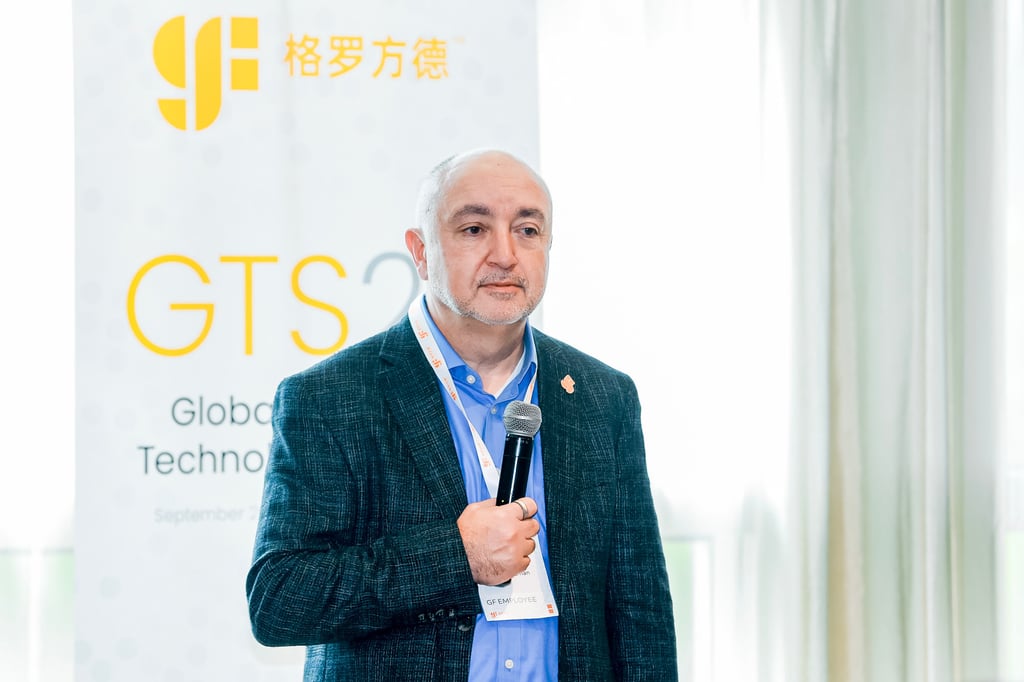
MIPS, which was acquired by US chipmaker GlobalFoundries last year, was driving RISC-V standardisation “very closely with China”, chief technology officer Yankin Tanurhan said during a media briefing in Shanghai in September.
The effort formed part of broader initiatives under governing body RISC-V International to unite global players – including US, European and Chinese entities, as well as academia – to standardise technologies ranging from artificial intelligence to microcontrollers and data centre servers, he said.
This cross-border collaboration is the latest sign of how China’s domestic RISC-V sector is accelerating its push into the mainstream, bolstered by faster industrial adoption and policy boost.
The remarks by Tanurhan echoed those by Qi Xiaoning, a chip veteran at Chinese e-commerce and AI giant Alibaba Group Holding, which is an active player in China’s RISC-V sector through its research arm Damo Academy. Alibaba owns the South China Morning Post.
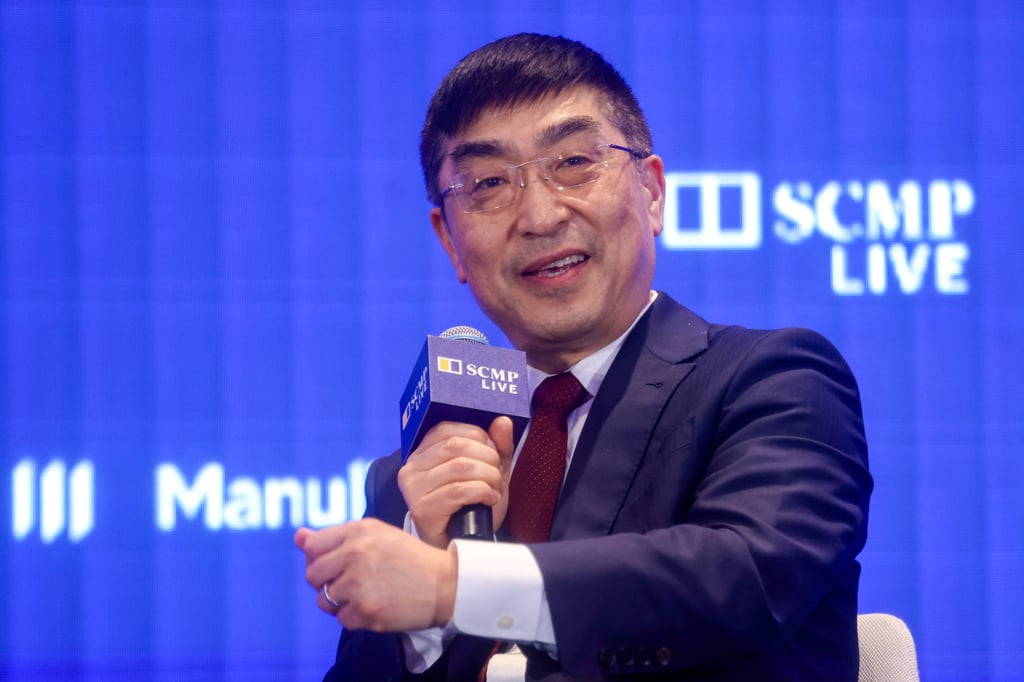
Major companies from around the world were working together “as one unified ecosystem” on the RISC-V open-standard chip architecture for edge – processing data locally on devices – and cloud applications, Qi said at the SCMP China Conference 2026 in Hong Kong in July.
RISC-V, short for fifth-generation reduced instruction set computer, is an open-standard instruction set architecture that enables developers to design central processing units (CPUs). The architecture is managed by the non-profit RISC-V International.
The technology has surged in popularity in China because it is free to use and modify, offering a path for Beijing and domestic tech firms to reduce their reliance on proprietary foreign architectures, mainly Intel’s x86 and Arm.
Broadening its appeal over the past year, RISC-V chipmakers have expanded beyond niche applications – such as automotive components, industrial equipment and Internet of Things devices – into next-generation computing and physical AI.
Beijing-based Eswin Computing Technology is set to become the first pure-play RISC-V chipmaker to list on the Hong Kong stock exchange, with its initial public offering scheduled for October 9, a move signalling capital market confidence in the commercial viability of open-source chips.
The growth rate of RISC-V global shipments has surpassed both x86 and Arm due to its “openness, energy efficiency, cost effectiveness, and customisability”, Liu Shuai, vice-president and chief marketing officer of Eswin Computing, said at an industry event in September, adding that the company was building a “RISC-V plus AI” ecosystem with its partners.
Meanwhile, MIPS highlighted major progress in high-performance computing. Tanurhan said the company’s RISC-V platform had achieved mass production in AI data centres, counting 13 of the world’s top 15 AI and data centre infrastructure chip suppliers among its customers.
Another growth catalyst is physical AI – the integration of AI into mechanical systems like autonomous vehicles and robotics – where China is rapidly emerging as a global epicentre.
MIPS told the SCMP that its Chinese clients, who initially developed RISC-V chips for Advanced Driver Assistance Systems, or ADAS, have successfully repurposed the designs for humanoid robotics.
“Robotics, especially humanoid robotics, receives immense attention in China and is developing very well,” said Tanurhan. “The testing ground and application ecosystem here is robust enough to support developers through that critical ‘last mile’ of R&D.”
Beijing is also stepping up policy support for the architecture. RISC-V chip development was officially designated as a core pillar of China’s 15th five-year plan for the electronics and information technology industry in a policy document released in September, embedding the architecture into a state-level strategy.
Despite heightened market competition, Tanurhan said the US company maintained deep talent ties with its Chinese peers.
“Most of the Chinese RISC-V IP companies in one way or another are coming from my teams of the past. We are very well related to each other,” he said, adding that MIPS retained a competitive advantage through its global reach and scale. “None of those companies have more than 700 engineers [as MIPS does] to supply quality products to the market.”
KioskNews shows a cleaned-up reading view extracted from the publisher’s page — the original always lives on their site, not ours.