US targets China’s steel capacity at G20 days after Xi’s state visit
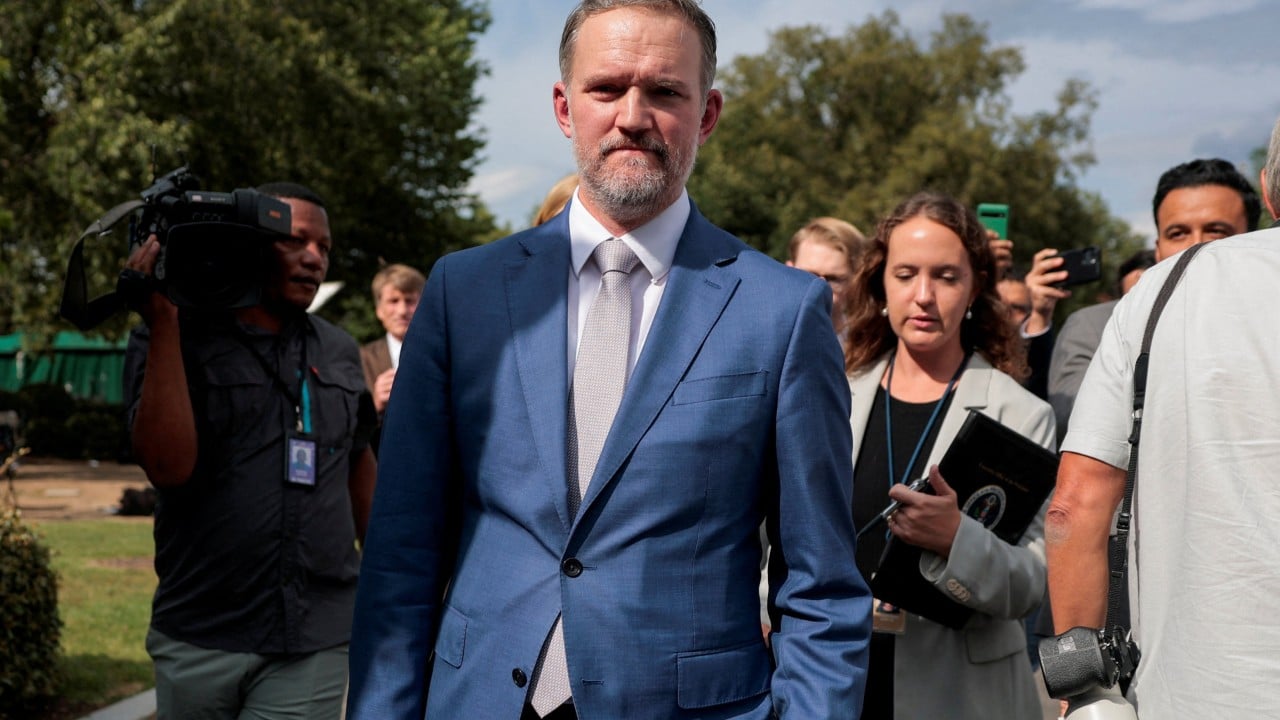
“The United States has taken robust measures, and it probably makes sense for other countries to do that too,” Greer said after a meeting of the Global Forum on Steel Excess Capacity (GFSEC) in Milwaukee, Wisconsin.
“Well, every country will do what they think is appropriate,” Greer said when asked if most G20 countries had agreed to raise tariffs on Chinese steel.
The United States holds the G20 presidency this year, leading a forum of the world’s major advanced and emerging economies.
11:24
How does Trump’s latest fallout with traditional allies play into Beijing’s hands?
Without naming China, Greer said the “Milwaukee Framework” would encourage countries to strengthen trade barriers against steel imports.
The GFSEC adopted the framework, which calls for reducing and eliminating “market-distorting subsidies” and committing to sharing “information on non-market policies and practices” in non-member countries.
US steel industry undergoing ‘renaissance’, says Greer
Greer said the US steel industry is undergoing a “renaissance” on the “strength of tariffs, trade deals, favourable tax treatment, improved energy policy, and the American entrepreneurial spirit”.
“If like-minded partners adopt similar policies, they can hold accountable those countries that are contributing to the problem of global overcapacity in steel,” he said in a statement.
A 28-member group, the GFSEC focuses on tackling excess steel capacity and includes countries such as Canada, Mexico, Japan, South Korea, France and Germany. China is not a member of the grouping.
Over the last two decades, China’s steel production and exports have come under scrutiny, with multiple countries imposing tariffs, anti-dumping duties and other measures on Chinese steel imports.
China is the world’s largest steelmaker, accounting for nearly 52 per cent of global crude steel production with an output of around 960.8 million tonnes in 2025.
Greer’s call for global action comes as Washington has expanded tariffs on steel imports from countries around the world – allies and competitors alike – including China, Canada, Mexico and Brazil.
Since his return to the White House, US President Donald Trump has slapped additional levies on nearly every major trading partner, including recent actions against Canada and Brazil to extract political and economic concessions.
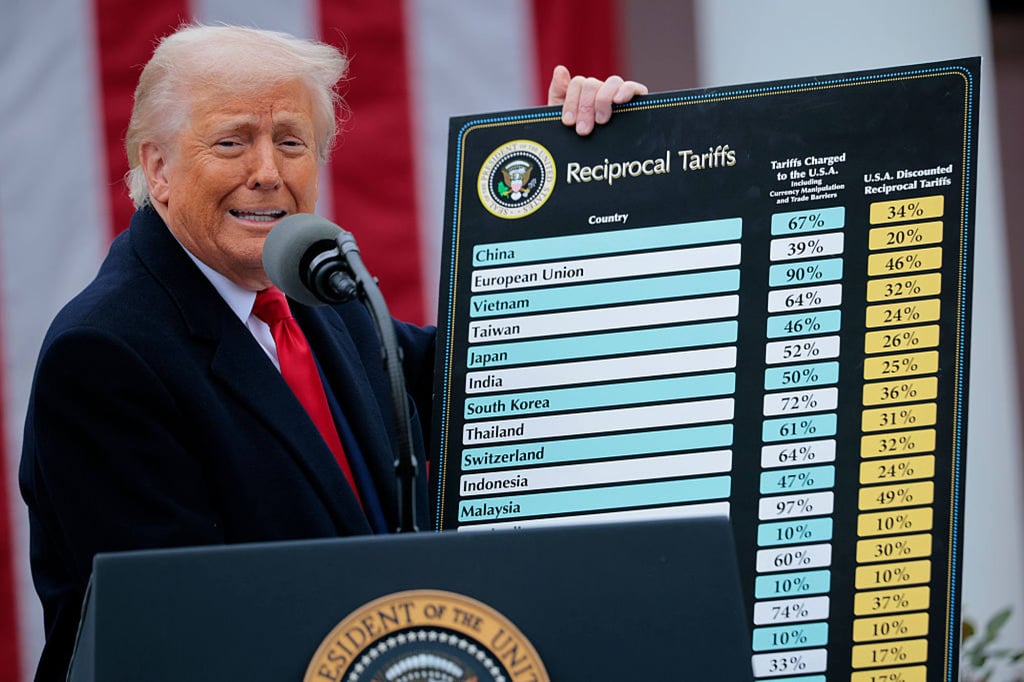
The Trump administration is also planning to announce additional tariffs on 16 economies, including China, Japan, South Korea and India, following a trade investigation into excess industrial capacity.
SCMP Plus is a new premium news platform that gives you an
all-inclusive edge to stay ahead on China news.
To access our exclusive content you’ll need to subscribe.
Already a subscriber?
LOG IN
While the administration has maintained pressure on other trading partners, it extended a temporary trade agreement with Beijing last week.
Washington has maintained a fragile trade deal with China while using its G20 presidency to highlight the country’s global trade surplus and rally members against what it calls Beijing’s “excessive imbalances.”
“We are confronting persistent global imbalances that undermine prosperity,” US Treasury Secretary Scott Bessent said at the G20 Finance Ministers’ meeting earlier this month.
China’s current account surplus ‘unsustainable’: Bessent
Bessent described China’s current account surplus as “unsustainable” and said Beijing’s opposition had prevented the G20 from reaching agreement on a joint statement.
Instead, the US Treasury issued its own statement, which it said was “agreed by all G20 members present except China”. The statement identified four paragraphs opposed by China, including one calling for steps to “eliminate non-market policies and practices that exacerbate imbalances”.
China rejected the allegations, with its central bank stressing that Beijing does not deliberately pursue trade surpluses.
“Addressing global imbalances requires all countries to promote their own structural reforms,” People’s Bank of China governor Pan Gongsheng said.
China’s global export volume surged to a record US$1.2 trillion in 2025, up 20 per cent from 2024.
KioskNews shows a cleaned-up reading view extracted from the publisher’s page — the original always lives on their site, not ours.