9 Best Antiheroes In Fantasy Books
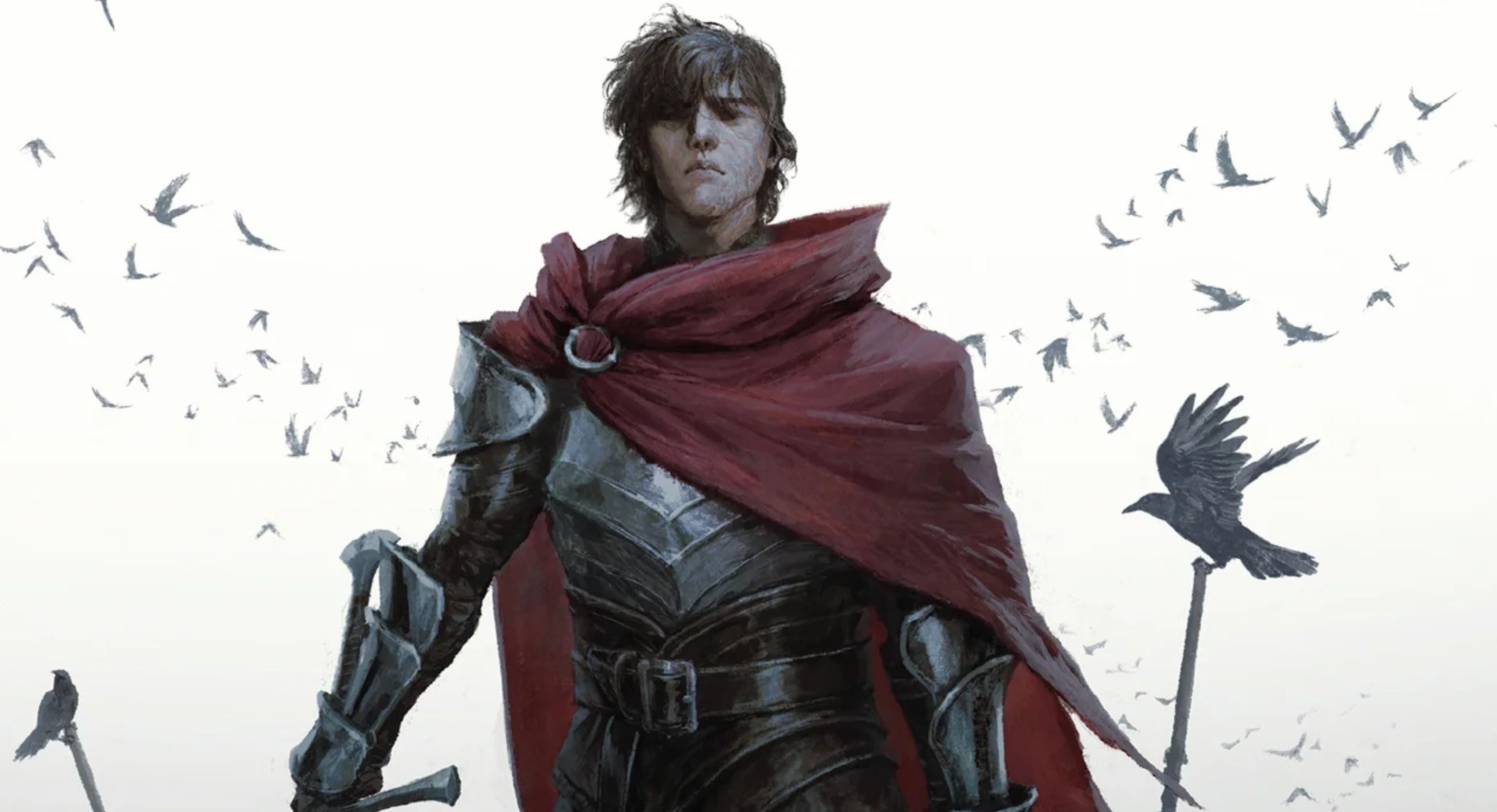
While fantasy books were once dominated by morally straightforward heroes with an unwavering sense of right and wrong, antiheroes now account for some of the genre’s most satisfying characters. Noble intentions and courageous deeds still have their place, but a protagonist whose principles buckle under pressure is often much more compelling. Whether they’re ruthless revolutionaries, reluctant killers, or criminals with surprisingly strong loyalties, these characters make saving the world a much messier business.
Antiheroes can feel like the norm in modern fantasy books. However, even with such stiff competition, the most exciting and entertaining examples stand out. The absolute best walk a fine line between good and morally questionable behavior, with some straying comfortably into outright evil. Their complex decisions and willingness to get their hands dirty drive some of literary fantasy’s most ethically nuanced stories, making readers reconsider whether defeating evil alone is enough to make a character a hero.
9 Rin
The Poppy War Trilogy By R. F. Kuang (2018-2020)
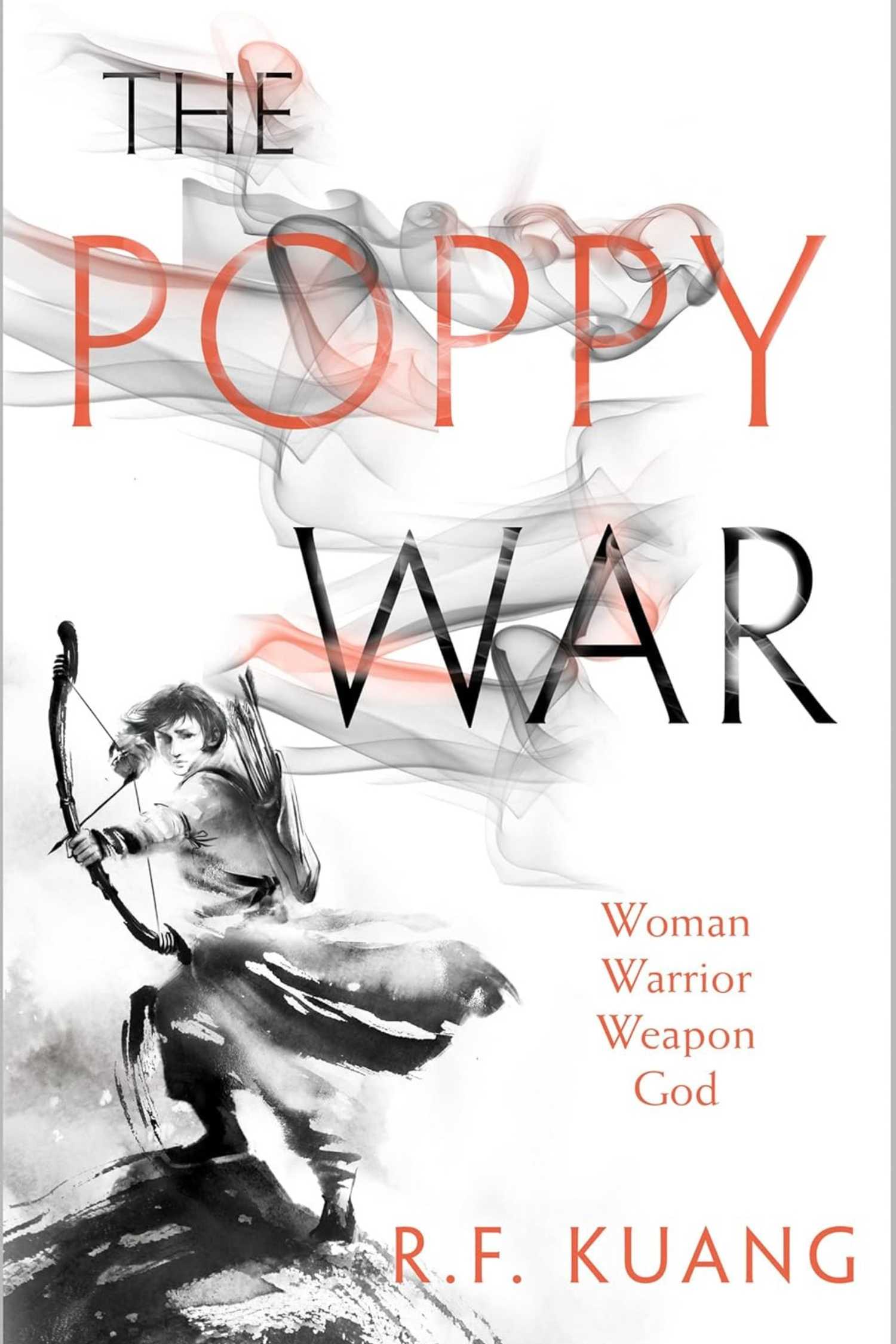
Rin’s determination initially looks like the foundation of a familiar fantasy hero origin. An impoverished war orphan who earns her way into an elite military academy, Rin has every reason to fight the systems that consider her disposable. R.F. Kuang’s The Poppy War trilogy places that ambition within a brutal military fantasy inspired by Chinese history, where shamanic power makes personal fury catastrophically dangerous. She may initially seem like a straightforward hero, but Rin quickly turns qualities that make her admirable into reasons to fear her.
Her progression from hero-in-waiting to borderline-villainous antihero makes The Poppy War trilogy incredibly engrossing. Her anger is a justified emotional response to persecution and horrific violence, but the ways she expresses it are often hard to defend. From a psychological perspective, she’s a fascinating character, as R.F. Kuang keeps the emotional logic of her choices painfully visible while never shying away from their consequences. Rin is one of literary fantasy’s most disturbing examinations of righteous anger, and this makes her a truly unforgettable antihero.
You can purchase The Poppy War, the first novel in R. F. Kuang's trilogy, here.
8 Jorg Ancrath
The Broken Empire Trilogy By Mark Lawrence (2011-2013)

Few antiheroes from fantasy novels make readers work harder to figure out their true moral alignment than Jorg Ancrath, the central character in Mark Lawrence’s Broken Empire trilogy. Introduced as a teenage prince leading a murderous band of outlaws, he commits atrocities that place him far beyond the archetypal charming rogue that many literary antiheroes end up becoming. Jorg may be intelligent and viciously funny, but he’s also capable of committing monstrous acts with an unwavering confidence that often feels more villainous than it is heroic. What’s more, thanks to Lawrence’s exceptional prose, readers find themselves guiltily enjoying Jorg’s company even when he’s at his most abhorrent.
His traumatic childhood helps explain why Jorg is the way he is, but the Broken Empire novels regularly examine whether explanation and justification are the same thing. Other people’s lives become expendable whenever they threaten Jorg’s ambitions, but he also shows flashes of emotional attachment, courage, and a willingness to defend others. It’s a near-perfect antiheroic balance: he can recognize an injustice while remaining perfectly willing to inflict another. Mark Lawrence makes that contradiction central to the reading experience, and it’s an incredibly satisfying one thanks to just how narrowly Jorg walks the line between good and evil.
You can purchase Prince of Thorns, the first novel in The Broken Empire trilogy by Mark Lawrence, here.
7 Logen Ninefingers
The First Law Trilogy By Joe Abercrombie (2006-2008)

Joe Abercrombie’s The First Law trilogy has many antiheroes, but few blend heroism with a past that seems better suited to a traditional villain like Logen Ninefingers. This isn’t the only reason he stands out, either. More so than most fantasy characters with a redemption arc, Logen seems to understand exactly how destructive his old life was. His weary observations, practical advice, and apparent desire to become a better man make him unusually easy to trust despite the fact that he has a reputation for appalling violence. Logen genuinely wants to leave his old ways behind, but understanding his mistakes rarely stops him from repeating them.
The fact that he adopts the terrifying Bloody-Nine alter-ego when he’s under pressure definitely complicates things, but both Logen and readers know that’s not an excuse. Even when thinking lucidly in the First Law novels, Logen repeatedly gravitates toward violence despite there usually being more peaceful alternatives. Still, he has plenty of heroic qualities too. His kindness is sincere, and his remorse is genuine even though he doesn’t break old habits. Joe Abercrombie does a fantastic job at making readers want to believe in his redemption, even when the evidence suggests that this antihero is doomed to a life of borderline-villainy.
You can purchase The Blade Itself, the first novel in The First Law trilogy by Joe Abercrombie, here.
6 Kelsier
The Mistborn Series By Brandon Sanderson (2006-Present)

A revolutionary who teaches an oppressed population to hope sounds like an obvious hero. However, Brandon Sanderson’s Mistborn antihero Kelsier complicates things by harboring hatred at levels usually reserved for fantasy’s darkest villains. In the original Mistborn trilogy, the charismatic thief assembles a crew to challenge an apparently immortal ruler and the aristocratic order sustaining him. Kelsier’s unwavering belief in his cause makes rebellion seem possible, while his warmth ensures others are ready and willing to follow him.
However, beneath his inspiring leadership sits an inability to see beyond social class. Kelsier’s love for the oppressed is real, but so is his appetite for vengeance against the nobility. That combination proves to be as morally conflicted as it is deadly. He is disturbingly casual about killing people he considers enemies, including those who serve the regime but still want to see it fall. His theatrical instincts make matters even more complicated. Kelsier understands how to turn himself into a symbol, and how powerfully belief can direct other people’s actions. His cause may be just, but the ease at which he manipulates others into committing atrocious acts regularly leaves readers questioning if the ends truly justify the means.
You can purchase Mistborn: The Final Empire, the first novel in the Mistborn series by Brandon Sanderson, here.
5 Locke Lamora
The Gentleman Bastard Sequence By Scott Lynch (2006-Present)
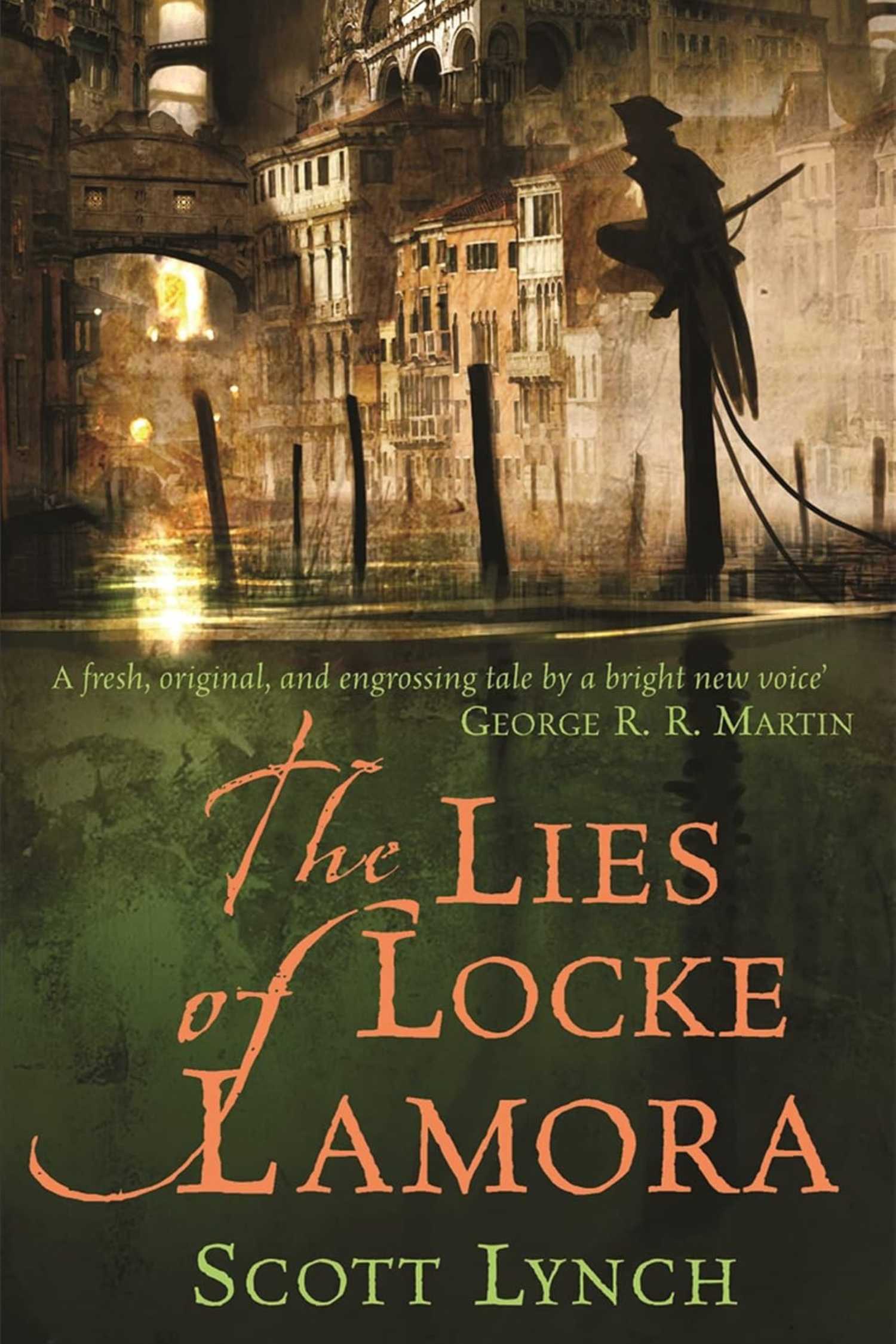
Many of the best antiheroes in fantasy books are thieves, often with a Robin Hood-style morality that turns their kleptomania into a force for good. This definitely isn’t the case with Scott Lynch’s Locke Lamora from The Gentleman Bastard sequence. Locke doesn’t need a noble cause to make reading about his thievery enjoyable. The pleasure lies in his outrageous nerve, passion for theatrics, and ability to recognize what buttons to push to make a target cooperate. He delights in proving that supposedly untouchable people can be made into fools, and readers quickly find themselves eager to tag along for the ride.
Still, there’s more to Locke than simply being a skilled-yet-egotistical thief. His affection for his companions gives his arrogance an endearing emotional foundation. He steals for himself and his fellow thieves, but Scott Lynch takes steps to regularly remind readers that being less cruel than other criminals doesn’t make him a clear-cut hero. When grief or humiliation turns his ingenuity toward revenge, Locke’s charm develops a dangerous edge. He’s a fantastic fantasy antihero because the reasons readers love him are the same qualities and personality flaws that regularly deepen the trouble he creates for other characters in the story.
You can purchase The Lies of Locke Lamora, the first novel in The Gentleman Bastard Sequence by Scott Lynch, here.
4 Elric Of Melniboné
The Elric Saga By Michael Moorcock (1961-Present)

Long before flawed fantasy antiheroes became commonplace, Michael Moorcock’s Elric of Melniboné rejected the traditional archetype of a sword-wielding adventurer for a figure of weakness, dependency, and catastrophic regret. A physically frail emperor from a civilization built on cruelty, Elric’s conscience alienates him from his own people. This sense of being out of place intensifies when Elric finds himself caught up in a cosmic struggle between Law and Chaos. His capacity to question the need for brutality combined with his inability to free himself from destructive sources of power lead to him being one of the first clear antiheroes in fantasy fiction.
The juxtaposition between Elric’s idea of how the world should be and what it’s actually like is made manifest by the soul-drinking sword Stormbringer. It gives Elric strength but has a near-unquenchable appetite, and definitely isn’t a force for good despite Elric wielding it to fight evil. This problem captures the wider themes that make Elric such an endearing antihero despite dozens following in his footsteps in the decades since: he recognizes the evil surrounding him, yet finds himself unable to stop perpetuating it. His tragedy rests on the distance between possessing moral awareness and having the strength to actually do something about it, an emotional foundation that remains essential for many more recent antiheroes in fantasy novels.
You can purchase Elric of Melniboné, the first novel in The Elric Saga by Michael Moorcock, here.
3 Tyrion Lannister
A Song Of Ice And Fire By George R. R. Martin (1996-Present)

There are countless antiheroes in George R.R. Martin’s A Song of Ice and Fire novels, but few feel as distinct as Tyrion Lannister. The black sheep of the Lannister family positions himself as the funniest person in a room to disguise how much power he’s willing to exercise over everyone else in it. His outsider status and sympathy for other marginalized people initially make him one of the closest things to a traditional hero in the morally murky world of Westeros. However, he’s also more than willing to use Lannister wealth and authority, not to mention his fierce intellect, to manipulate others and achieve his goals.
Even Tyrion’s darker moments are easy to sympathize with because his grievances are often justified. The danger comes when he treats his own suffering as an excuse to inflict suffering on someone else. The A Song of Ice and Fire books take him into increasingly ugly territory, exposing vindictiveness, sexual violence, and a desire to punish people far beyond those responsible for his pain. However, he still maintains a strong sense of the inherent corruption and unfairness in Westerosi society throughout and wants to see it change. In Tyrion, George R.R. Martin refuses to make intelligence synonymous with wisdom or victimhood synonymous with goodness. This, in many ways, makes Tyrion a perfect antihero: he abhors cruelty and strives to combat it, but is unable to escape being a cause of it himself.
You can purchase A Game of Thrones, the first novel in the A Song of Ice and Fire series by George R. R. Martin, here.
2 Geralt Of Rivia
The Witcher By Andrzej Sapkowski (1993-Present)

Just like thieves and assassins, swords-for-hire and mercenaries also account for some great fantasy novel antiheroes. However, none embody the eventual moral conflict of whether to act when there’s no coin to be earned like Geralt of Rivia. He frequently invokes neutrality as a reason not to get involved, but Andrzej Sapkowski’s Witcher novels place him in a world of war, prejudice, and competing claims to a child’s destiny that make non-involvement hard.
Geralt soon learns that, despite the creed of the Witchers, he cares too much to remain detached. It’s this, along with his wider personality, that makes him truly stand out as an antihero more so than any specific acts. He’s abrasive, unafraid to dish out violence, and deeply skeptical of political power. He’s also deeply human despite his mutations. Andrzej Sapkowski makes sure his judgment is fallible across all of the Witcher novels. This is the core of Geralt’s fantasy antihero appeal: he stands against hypocrisy wherever he finds it, but often is the source too.
You can purchase The Last Wish, the first book in The Witcher series by Andrzej Sapkowski, here.
1 Roland Deschain
The Dark Tower Series By Stephen King (1982-2012)

The revolver-wielding survivor of a world that’s moved on, Roland Deschain possesses the discipline, courage, and almost supernatural competence of a legendary hero. However, the fact that these qualities serve his own personal obsession first and foremost see him regularly acting in ways that are far from heroic. Stephen King’s The Dark Tower series follows the last gunslinger’s pursuit of the mysterious man in black, with his quest bound to the survival of reality itself. For Roland, such enormous stakes seem to justify extraordinary sacrifice, especially when it comes to the people accompanying him.
His willingness to sacrifice a child in 1982’s The Gunslinger exposes just how compromised Roland’s obsession with his quest has left his morals. Despite this, though, he’s also a teacher and protector, which prevents him from being able to be classified as truly villainous. His emotional journey across the Dark Tower novels is a crucible that tests whether he can forge relationships that genuinely change his priorities. Readers want Roland to reach the Tower, but fear what atrocities he’ll be willing to commit to get there. Stephen King makes Roland’s progress a pitch-perfect fantasy antihero arc. Yes, he’s on a heroic quest, but his true battle is against resisting the temptation to commit evil acts to complete it.
You can purchase The Gunslinger, the first novel in The Dark Tower series by Stephen King, here.
KioskNews shows a cleaned-up reading view extracted from the publisher’s page — the original always lives on their site, not ours.