Further interest rate rises needed to tackle inflation, Bank of England’s chief economist says

The Bank of England will likely need to hike interest rates further next month to tackle rising inflation, its chief economist has warned.
Huw Pill said last week’s rise to 4 per cent was a “significant step” towards getting monetary policy into a better place, but believed there was “further to go”.
Interest rates were raised for the first time in nearly three years last Thursday, with inflation currently running at 3.5 per cent due to rising oil costs and the Iran war.
Mr Pill indicated that he would vote for another quarter-point increase next month and also signalled that he currently expected further rises to be necessary in 2027.
He told the Financial Times that market expectations that imply the bank rate could get closer to 5 per cent next year were “not outrageous”.
Mr Pill told the newspaper: “My view would be we will see evidence that motivates further rises.”
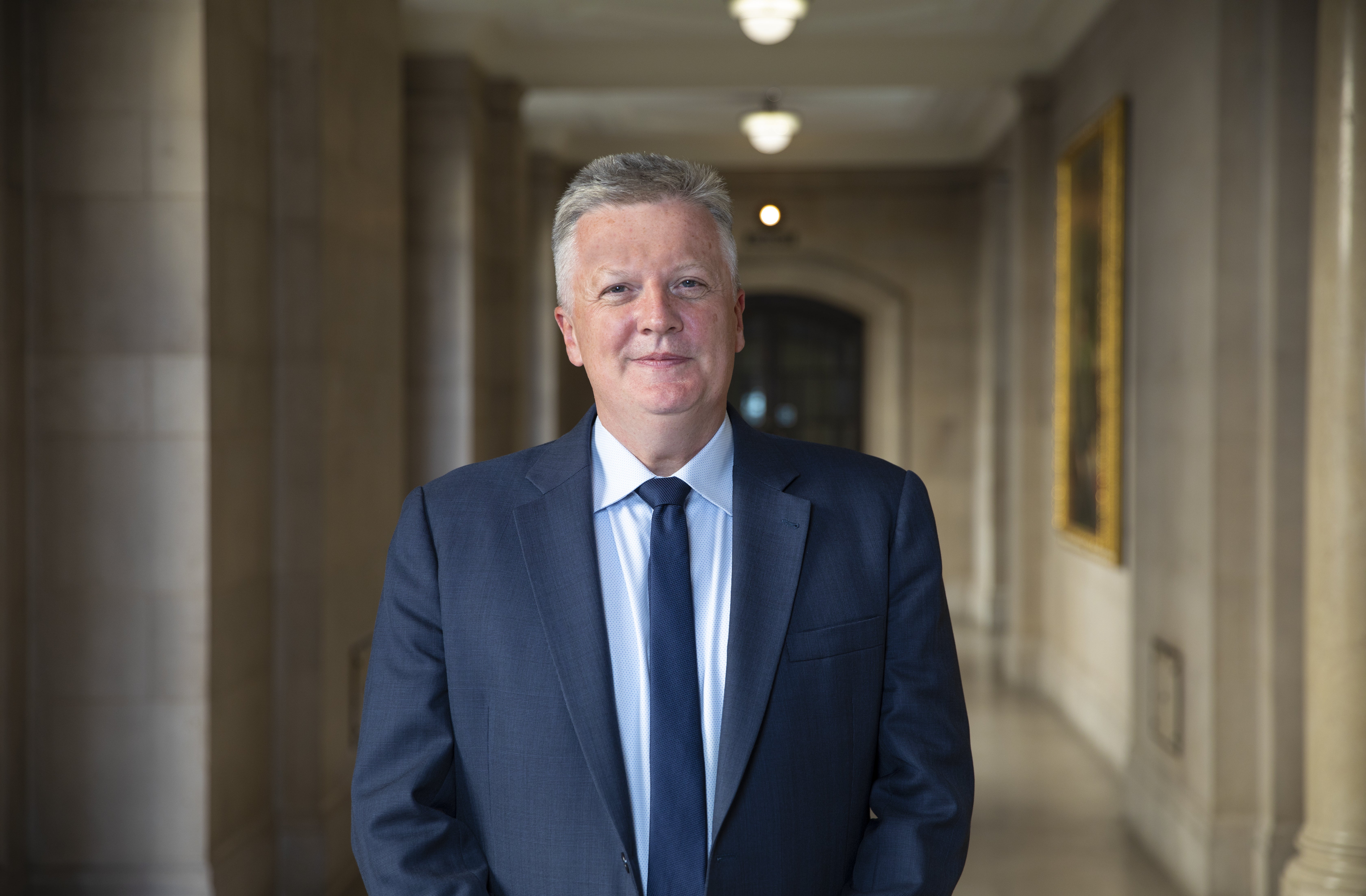
He said the central bank would do what was necessary “to get inflation back to 2 per cent through time,” adding that “the pressure to do that is probably heightened now.”
“The risks I see would validate some of the increases embedded in the market pricing,” Mr Pill said. “Does it validate everything that’s priced in? I don’t really want to be drawn on that.”
Inflation is forecast to rise to 5 per cent next spring, and higher energy costs could push up wider corporate prices and cause workers to demand higher salaries, which would keep inflation higher for longer.
However, the Bank of England has not yet seen clear evidence of second-round effects from energy.
Mr Pill said: “As we go into next year, we will begin to see some evidence, and it could play out in one direction or another — we’ll see. My bias, for what it’s worth, is that I worry about the inflationary impact being magnified by second-round effects.”
He believes that the Bank of England “waited too long” to raise interest rates, as there had been a need to “get ourselves in a stronger position in the face of . . . radical uncertainty”.
The National Institute of Economic and Social Research (NIESR) said interest rates would need to rise as high as 5 per cent to tackle the risk of second-round inflation effects.
The think tank said it was expecting the Bank to raise rates one more time, but believed this would not be enough and would mean inflation not returning to the 2 per cent target until late 2030.
KioskNews shows a cleaned-up reading view extracted from the publisher’s page — the original always lives on their site, not ours.