China slaps 55% tariff on Brazilian beef, rebuffs bid to borrow Uruguay’s quota
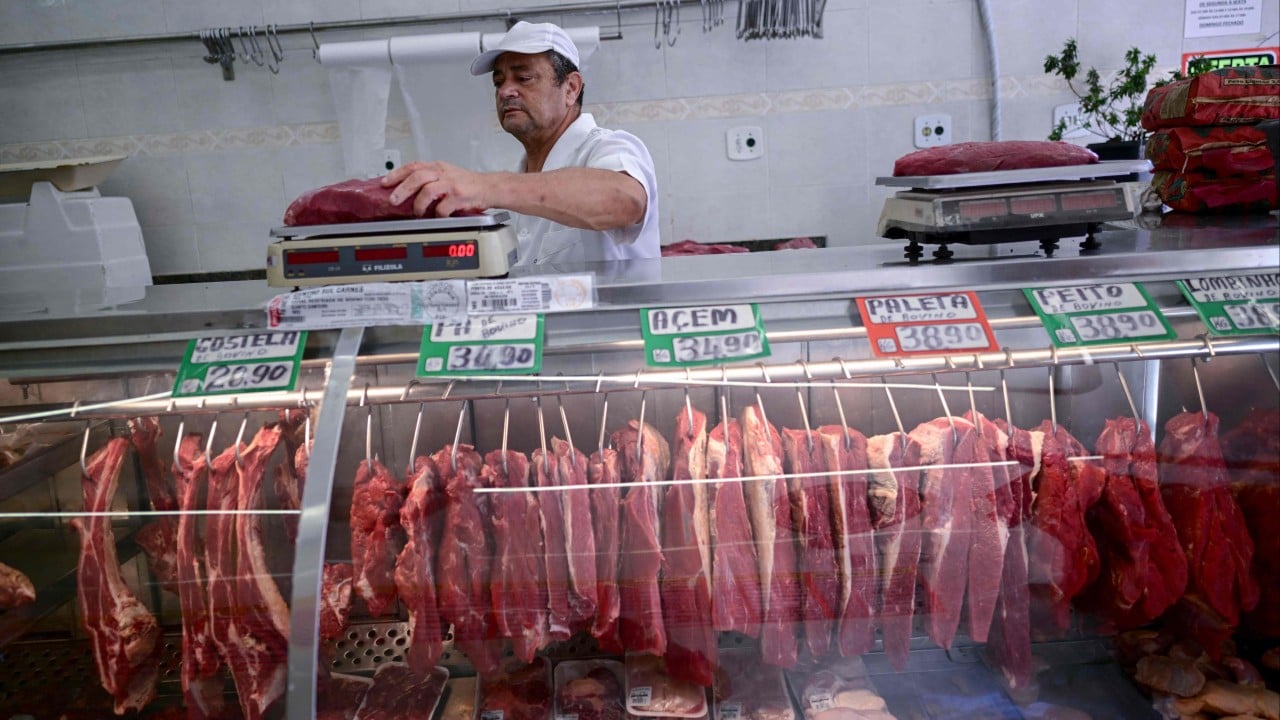
China will charge an extra 55 per cent tariff on Brazilian beef from Thursday after Brazil filled its import quota for the year and has not agreed to let Brazilian exporters use the unfilled quota of neighbouring Uruguay, industry sources said.
The Chinese Ministry of Commerce announced the surtax on Wednesday, a day after China’s customs administration confirmed that Brazil had used all of its 1.106 million-tonne allowance for 2026, and under the rules the extra tariff applies from the third day after a country reaches its limit.
Beef above the quota will now pay 67 per cent, including the regular 12 per cent import duty, a level exporters consider too high to keep selling.
With the quota exhausted, Brazil is effectively shut out of its biggest beef market for the rest of the year.
02:13
Xi meets Lula: China, Brazil call for ‘more just’ world order amid Trump tariff turmoil
China bought 1.68 million tonnes of Brazilian beef last year, or 48 per cent of the country’s exports, worth US$8.9 billion out of US$18.3 billion in total beef sales, according to the Brazilian Association of Meat Exporting Industries (ABIEC).
The group estimated that this year’s quota covers only about 65 per cent of what Brazilian plants shipped to China in 2025, and that Brazil’s total beef exports will fall by about 10 per cent.
Beijing adopts safeguard to protect cattle farmers
Beijing adopted the safeguard to protect its own cattle farmers, who have faced falling prices amid oversupply and weaker consumption linked to the Chinese economy’s slowdown.
The measure took effect in January and runs until the end of 2028, with a separate annual quota for each supplier and a 55 per cent surtax on anything above it. Brazil, the world’s largest beef exporter, received the biggest allocation but also the sharpest cut compared with its recent sales.
“The Chinese safeguard affects all countries, but Brazil had the largest reduction,” ABIEC president Roberto Perosa told an industry conference in April.
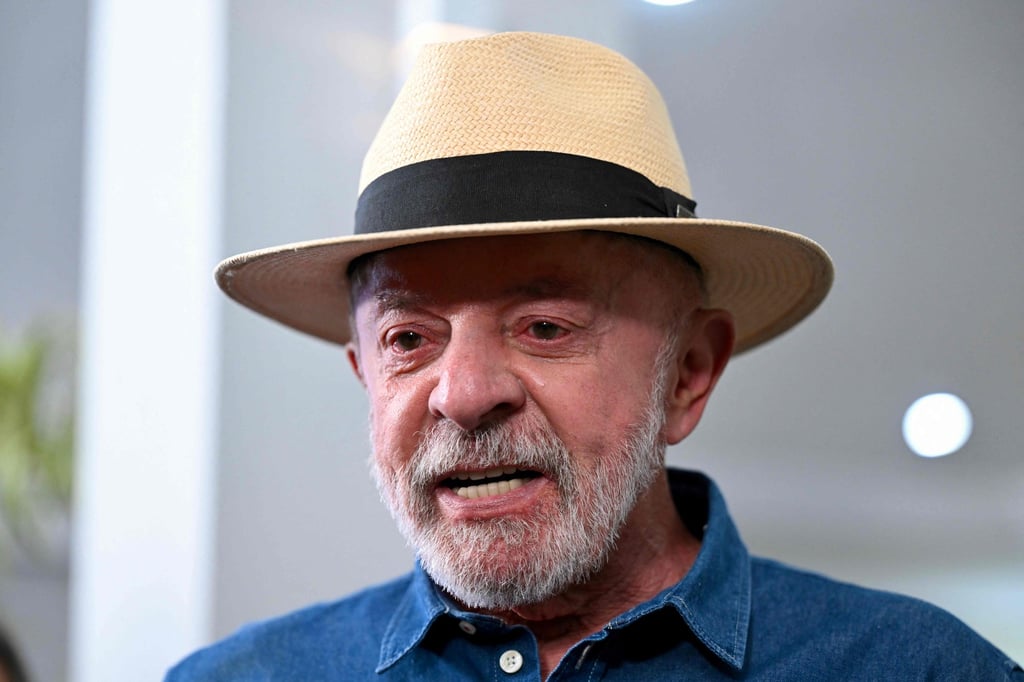
Brazilian President Luiz Inacio Lula da Silva announced last week that Uruguay had authorised Brazil to use part of its quota, which Uruguayan exporters have been far from filling.
The South China Morning Post confirmed with sources familiar with the negotiations that China is yet to accept the transfer for this year or next, and is unlikely to approve direct deals between Brazil and other suppliers over unused volumes.
The Chinese Ministry of Commerce has made no public comment on Brazil’s requests, although Reuters reported in May that Beijing had rejected repeated lobbying from Brasilia on the issue.
Agriculture Minister Andre de Paula told the newspaper Valor Economico on Wednesday that Brazil had held no new negotiations with China over a bigger quota or on using volumes assigned to other countries, adding that the deal with Uruguay depended on China’s approval.
Uruguay received a quota of 324,000 tonnes this year and had used about 28 per cent of it by July, according to industry data. Argentina was allocated 511,000 tonnes and Australia 205,000 tonnes. Australia hit its limit in June and has paid the surtax since.
The Brazilian government has been asking to use other countries’ leftover volumes since January, when then agriculture minister Carlos Favaro announced plans to negotiate with Beijing for access to quotas that other suppliers did not fill.
ABIEC expected the Uruguayan volume to have a limited effect in 2026 because of the time needed to negotiate, ship and deliver the meat. In the group’s view, the option could be more useful in 2027, when Brazil’s quota goes up to 1.128 million tonnes and may be used up in the first months of the year at the current pace of sales.
“ABIEC has been calling for predictability and for mechanisms that spread shipments more evenly over the year, so that trade with the main destination for Brazilian beef can keep flowing,” the association said in a statement.
Beef exports to China fall dramatically in August
Brazilian exporters sent beef to China at a fast pace in the first half of the year to get ahead of the limit, well above the roughly 130,000 tonnes a month China took from Brazil before the safeguard, according to analysts.
Shipments reached 154,800 tonnes in May and 158,300 tonnes in June but dropped to about 16,100 tonnes in August. Some meatpackers have reduced slaughter or given workers collective holidays.
Exporters are also dealing with the European Union (EU), which has blocked Brazilian beef over controls on antimicrobial use. De Paula acknowledged that the EU had not changed its position and that a return to the European market could take two years.
Brazil has also faced more competition in China from the United States since May, when Beijing renewed licences for more than 400 American meat plants after a meeting in Beijing between US President Donald Trump and Chinese President Xi Jinping.
On Tuesday, China approved two more Brazilian beef plants and two poultry plants. The four were among 17 that Chinese officials audited remotely from a list of 33 the Brazilian government put forward.
In June, China recognised all of Brazil as free of foot-and-mouth disease, a status that allows the country to seek access for products such as bone-in beef and bovine offal.
De Paula expected China to approve more Brazilian plants this year and to open its market to beef offal soon.
“I think we will make progress on beef offal very shortly. It is about to happen,” he said.
KioskNews shows a cleaned-up reading view extracted from the publisher’s page — the original always lives on their site, not ours.