King Charles visits execution site of 1823 uprising against slavery during Guyana trip
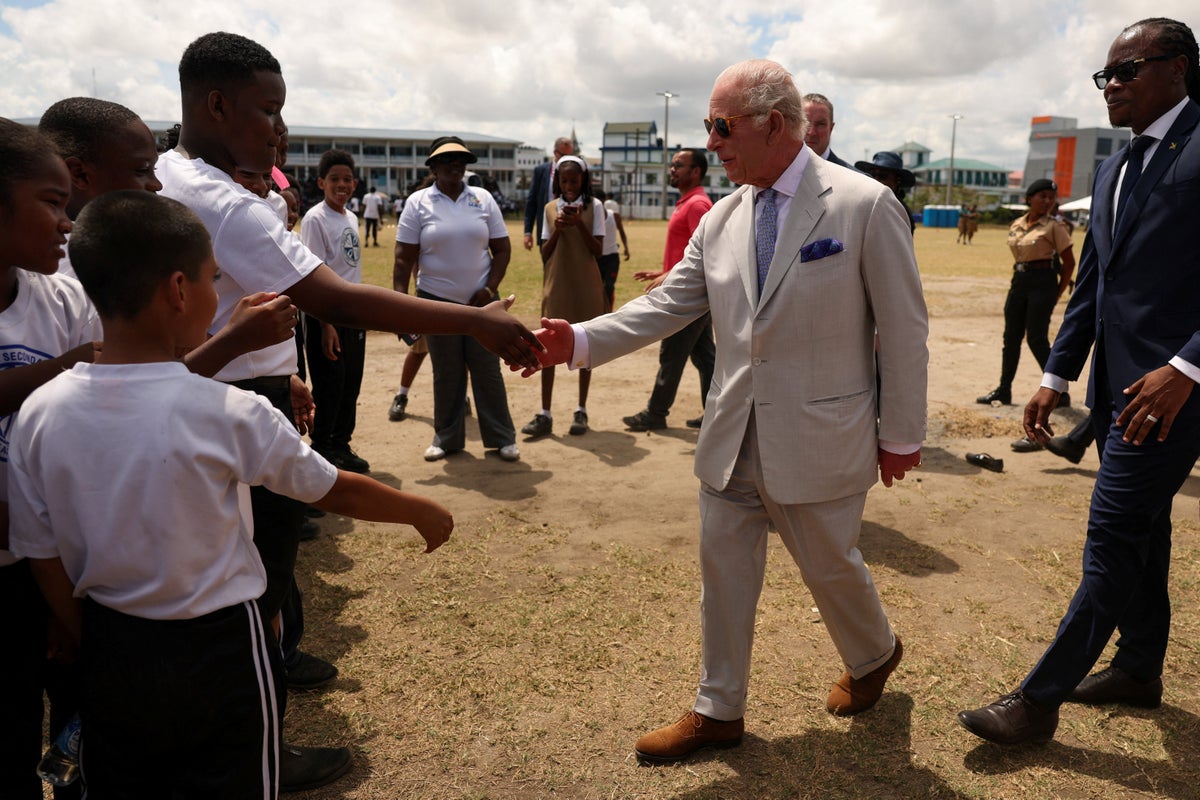
The King has visited a site in Guyana where enslaved people were executed after British authorities quelled a major colonial-era uprising.
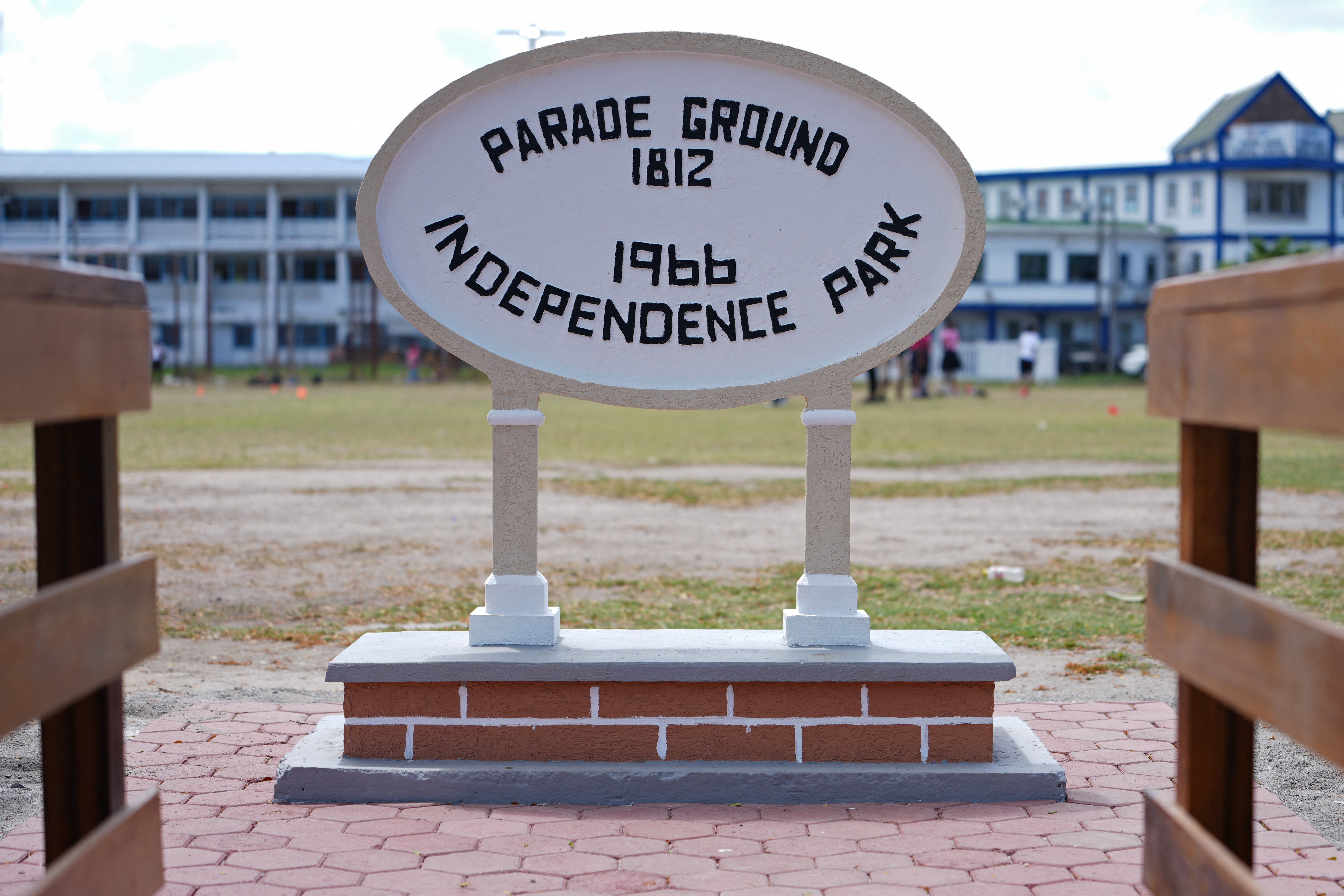
Standing at the edge of Independence Park in the capital, Georgetown, King Charles observed schoolchildren playing sports where 33 individuals linked to the 1823 Demerara Rebellion were hanged.
The appearance follows renewed demands from Caribbean nations for Britain to apologise and provide reparations for its historical role in the slave trade.
Opening his nine-day tour on Tuesday, Charles acknowledged the "great suffering of the past" during a speech to a Bahamas youth rally, adding that a Commonwealth summit he will open in Antigua next week will address slavery's legacy.
Guyana’s culture minister Steven Jacobs accompanied Charles at the site to mark the country’s history of slavery and resistance.
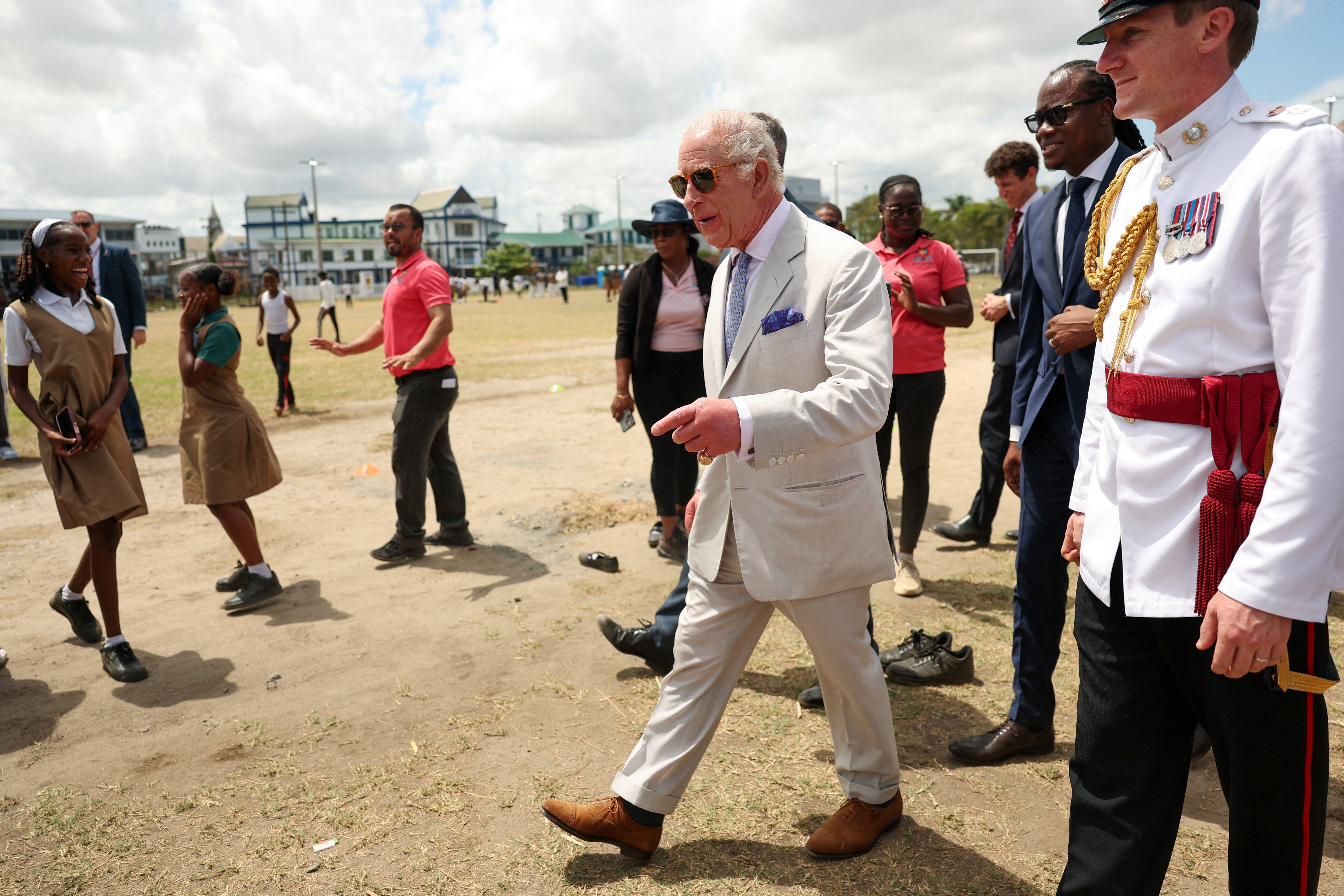
The King listened intently as Mr Jacobs talked at the entrance of the former parade ground and showed him a plaque commemorating those who were condemned to death and hanged from gallows erected on site.
The rising began in August 1823 on the plantation of Sir John Gladstone, father of the future prime minister William Gladstone, when Jack Gladstone, an enslaved man named after his owner, rang the plantation bell to signal the start of the rebellion.
His father Quamina, a carpenter on the same estate and a deacon at the local chapel, had urged a peaceful strike but the uprising was crushed with brutal force and hundreds were killed.
Quamina was hunted down and killed the following month and his body was displayed outside the plantation as a warning to others – he is now one of Guyana’s national heroes – while his son was sold and sent to St Lucia.
Guyana’s President Mohamed Irfaan Ali said ahead of the visit Charles has recognised slavery as the darkest days in human history – but moving to the apology is “the next step”.
In 2023, Charles described how he was on a personal journey of discovery and was continuing to “deepen my own understanding of slavery’s enduring impact”, in a speech at the opening of a Commonwealth summit hosted by Rwanda.
Terrence Campbell, an MP from Guyana’s A Partnership for Unity Party, claimed he and a small group of activists were stopped from protesting about reparations in the area by police.
They moved on to stage their demonstration outside a building where Charles met indigenous leaders in the capital, and held placards which read “No apology will return what was stolen reparations now”.
The King follows the guidance of his ministers and it is understood the Government has not advised him to offer an apology or reparations, in keeping with established policy.
Mr Campbell said Charles had “moral persuasion” adding: “If the King comes out a little more boldly in the United Kingdom and also at the Commonwealth Heads of Government Conference, I think that he can use moral persuasion to move the needle, the needle of the British government, the needle of the other colonial powers, on this important issue of reparations.”
Charles spent two days in the Bahamas and was joined at a number of events by the country’s prime minister Philip Davis who was interviewed by Sky News and asked about the King making an apology for slavery.
The politician said: “Whether I like to see him apologise, again, that’s a personal decision on his part after advice.
“At the end of the day, how a repair would look, once that is satisfactory, how it comes, I will be satisfied.”
He added: “Well, for me, repair and reparation is not absolutely money, simply, money.
“Some people think, I think, acknowledgment, firstly…which has been the first step, which we have now recognised.
“Acknowledgement, education, training, things of that nature.”
KioskNews shows a cleaned-up reading view extracted from the publisher’s page — the original always lives on their site, not ours.