US and Russia to oppose talks on limiting autonomous weapons
Geneva meeting weighs formal talks on autonomous weapons rules • Most countries want binding rules, but US and Russia oppose that • Rights groups say weapons without human intervention pose risks

Major arms producers, the United States and Russia, look set to oppose a push at a global meeting in Geneva this week to launch negotiations on legally binding rules for autonomous weapons, in what diplomats and rights groups expect to be difficult talks.
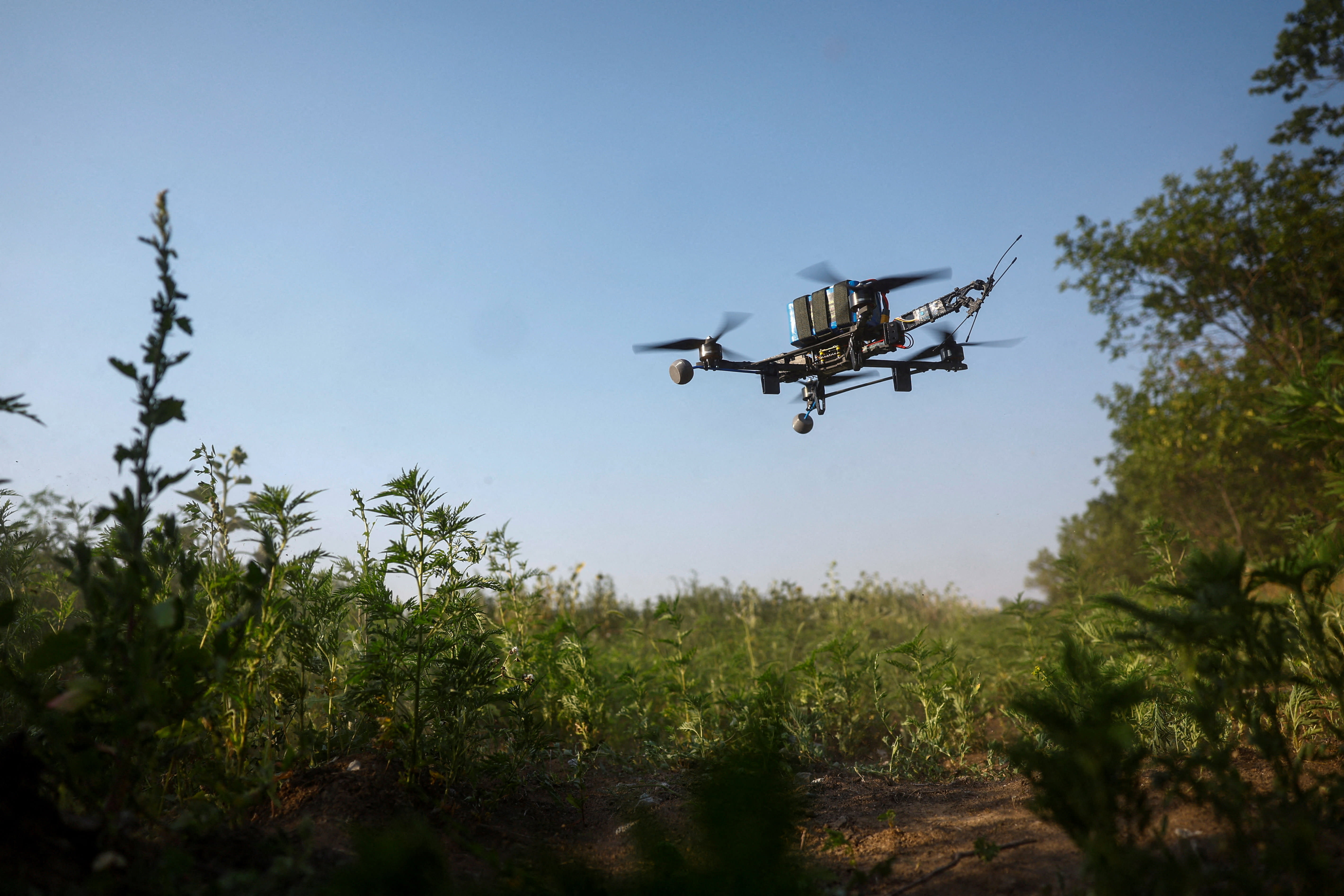
The rise of artificial intelligence has boosted development of drones, robots, tanks, submarines and other military hardware capable of killing without human involvement. Semi-autonomous, AI-assisted weapons have already been used in Ukraine, Sudan and the Middle East, despite ethical concerns.
The UN-hosted meeting starting on Monday is due to decide whether to launch negotiations for a legally binding agreement on prohibitions and regulations for Lethal Autonomous Weapons Systems (LAWS).
Humanitarian, medical, and religious leaders worldwide express concern
But while most of the 128 states party to the Convention on Certain Conventional Weapons support that, major military nations including the US, Russia and Israel oppose it, arguing that existing humanitarian law is sufficient.
The leaders of the UN and the International Committee of the Red Cross, along with the Pope, have all warned of the dangers from autonomous weapons and support regulation.

“Machines should never be allowed to decide who lives and dies on a battlefield, but that is the dystopian reality that is fast approaching,” said Verity Coyle from Human Rights Watch, which is urging the Review Conference to take firm action.
Two diplomats told Reuters the discussions looked set to be challenging. But states could build bridges to find a compromise agreement by the end of the week, they said. All options are on the table, from legally binding to non-legally binding, as well as a hybrid agreement with both elements, one of the diplomats added.
Using autonomous weapons carries a risk of fatal error
Campaigners say autonomous weapons systems can behave unpredictably, raising the risk of fatal errors.
Anna Hehir, head of military AI governance at the Future of Life Institute – a US-based nonprofit organization focused on reducing the risks of advanced technologies, including AI – said LAWS were no longer science fiction, pointing to media reporting of early use of fully autonomous systems in Ukraine.
The US favors guidelines over binding rules on LAWS, arguing that international law already provides a framework to govern warfare. It has proposed a five-year mandate for talks towards a non-binding agreement.
The Red Cross says humanitarian law does not sufficiently address specific risks from autonomous weapons.
Russia has not publicly stated its position going into the talks, but has previously resisted proposals for a legally binding agreement. It plans to block the European Union, an observer to the talks, from taking the floor, a senior Western diplomat told Reuters.
Hehir told Reuters the US and Russia would probably seek to water down any outcome as they did in September with a text about autonomous weapons and their potential for harm.
The chair of this week's talks has proposed a two-year mandate to negotiate a legally binding protocol.
The UK, Germany and France propose negotiations on an instrument that leaves open whether it would be legally binding or not, Coyle told Reuters.
KioskNews shows a cleaned-up reading view extracted from the publisher’s page — the original always lives on their site, not ours.