I led the controversial SAS Death on the Rock operation – this is what happened
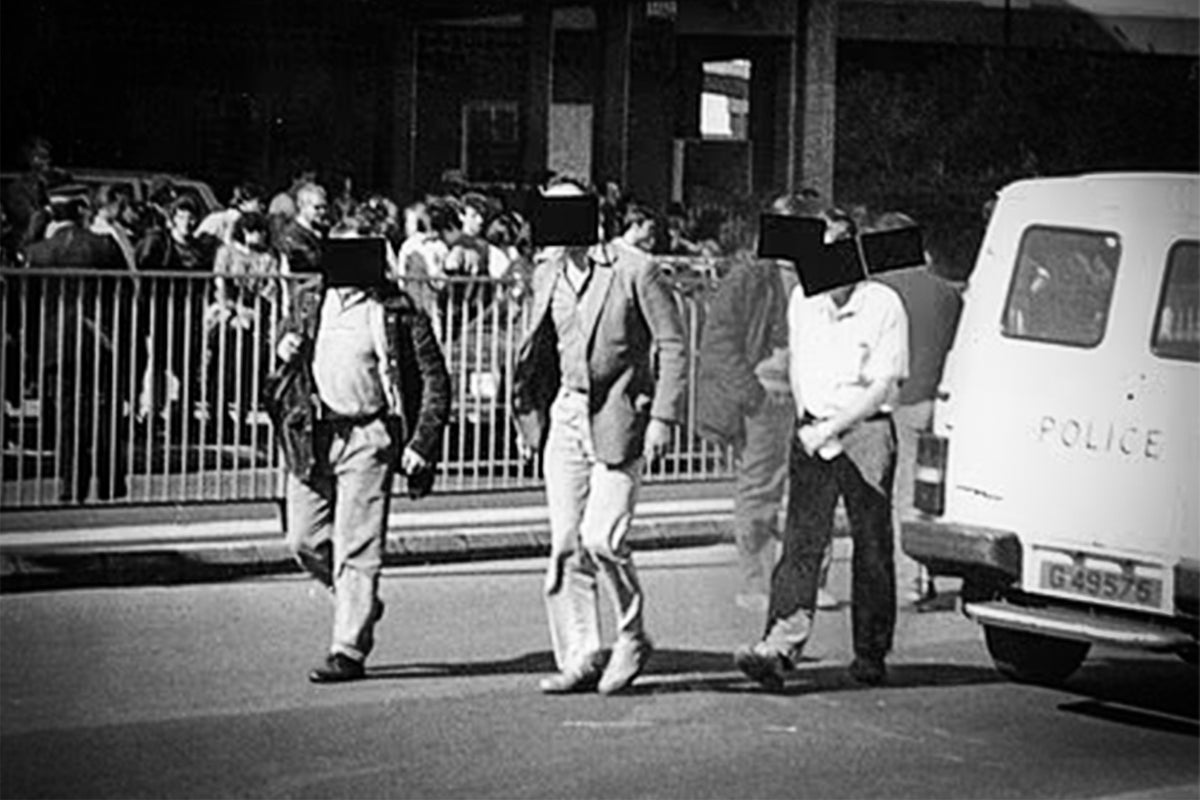
One decision was based on an assessment of intelligence; the others were taken in a split second on the front line of an undeclared war. All led to the deaths of three unarmed members of the Irish Republican Army in Gibraltar.
Now, for the first time, the SAS commander who directed one of the most controversial operations of the Northern Ireland conflict reveals what that crucial intelligence assessment was - and how it proved to be wrong.
Daniel McCann, Mairéad Farrell and Seán Savage were shot dead by four undercover SAS soldiers on 6 March 1988 after British intelligence discovered that their team was preparing a car-bomb attack on British troops on the Rock.
Listen to the full second episode of SAS: The Shadow War here, or become an Independent Member for exclusive access to all eight episodes:
The killings became one of the defining controversies of the so-called “Troubles” - when in the later stages of the conflict British special forces were accused by some of a “shoot-to-kill” policy.
British intelligence had discovered plans for an IRA attack on the changing of the guard outside the Gibraltar governor’s residence. A school and an old people's home were nearby, and spectators regularly watched the ceremony.
“Whatever way you cut it,” Ed* says, there would have been the potential for civilian casualties.
But in his first detailed public account of Operation Flavius, Ed the SAS tactical commander responsible for the soldiers on the ground, insists that the primary mission was to arrest all three.
“The orders to us were absolutely as a priority to work in support of the police and arrest them if at all possible,” he says in an interview for SAS: The Shadow War, an eight-part audio podcast from Aurra and Independent Studios.
Lethal force was authorised only if there was an immediate threat to life and no other means of stopping it, he adds.
These are the same rules of engagement - known as the “Yellow Card” - for all soldiers operating on British territory, whether in Northern Ireland or Gibraltar.
But the decision to open fire, in self defence or the defence of others, depends not only on the perceived threat in the moment, but on a wider setting; the intelligence context.
British intelligence was confident about the identities of the IRA team and its intended military target in Gibraltar, and had tracked them to the Rock through Spain.
But they did not know how the bomb would be detonated, whether the three would be armed or whether the car Savage parked in Gibraltar actually contained explosives.
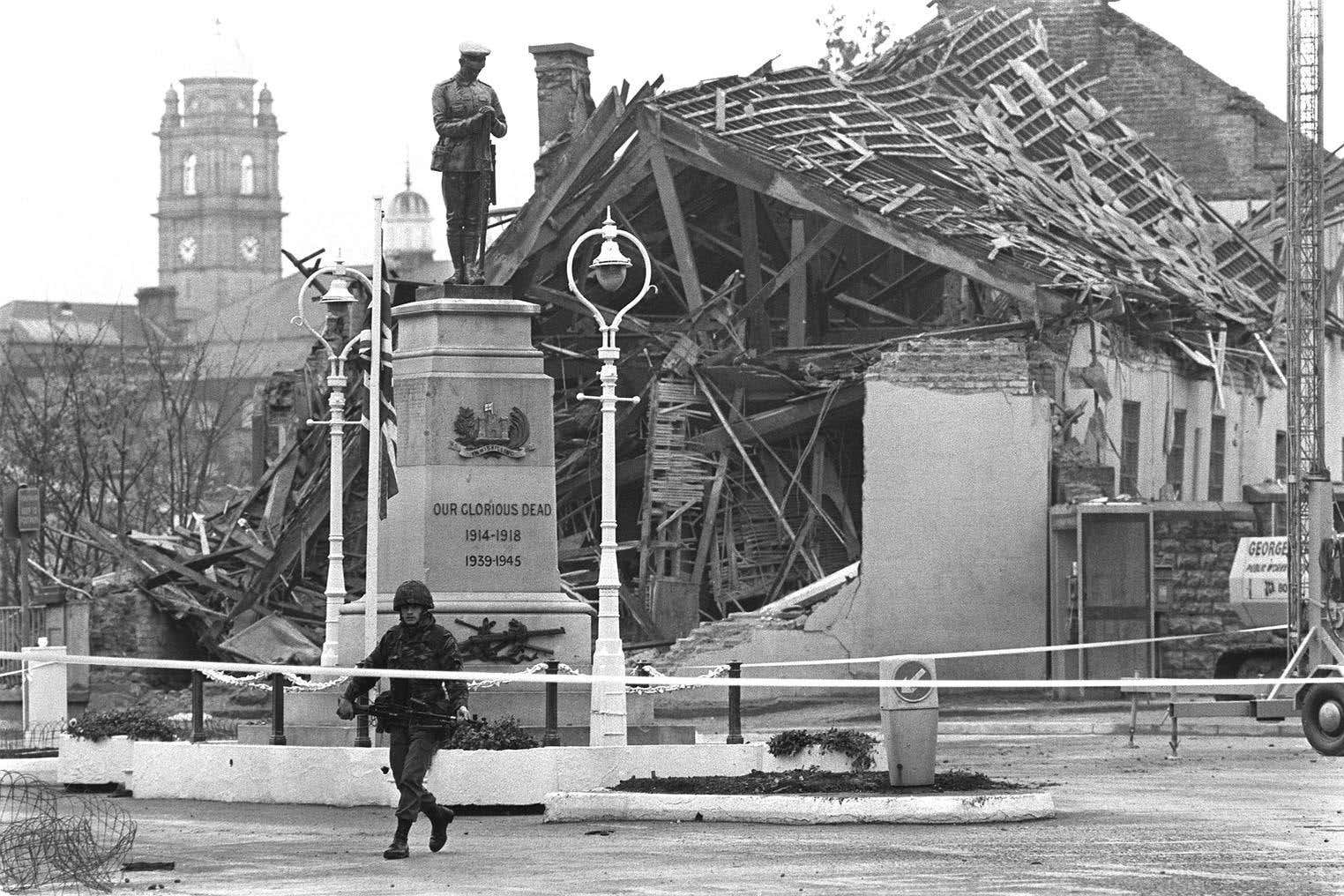
The assumption made about how the bomb would be triggered was based on a previous attack by the IRA at Enniskillen when, four months earlier, on Remembrance Sunday, an IRA bomb was detonated by a timer beside a memorial service, killing 11 people — ten civilians and an off-duty police officer.
Scores of civilians were also injured in the bomb, which caused revulsion and the IRA issued a swift, and very rare, apology for the atrocity it said had been intended to target soldiers.
In Gibraltar, British intelligence guessed that any new IRA bomb was unlikely to be controlled by a timer. Instead, they expected a radio-controlled device, enabling the IRA to choose the precise moment that soldiers of the Royal Anglian Regiment were passing and therefore concentrate the attack on its military target.
Ed says the assumption that the bomb would be radio-controlled “seemed to us… based on such sound logic that we would not question it”.
The soldiers were told one or more of the IRA members might be carrying the remote-control switch. They also believed Savage had parked the bomb itself close to the assembly area for the military parade.
“We had no reason to question what we'd been told about the basis for the operation,” Ed continues.
At a briefing shortly before midnight on 5 March, military intelligence, surveillance personnel, bomb-disposal experts, Gibraltar police and the SAS gathered to assess the available picture.
Ed identified three opportunities to arrest the IRA members: at the border; around the expected bombing site; or subsequently, while surveillance teams followed them.
“It was not an operation concocted and carried out purely by the military authority,” he says. The Gibraltar police ran the operation, handing over to the SAS only when they believed their officers did not have the training to grab the three known IRA militants.
At about 3pm on March 6, the suspects - closely tailed by intelligence agents - separated and set off on different routes through Gibraltar.
Two SAS soldiers approached McCann and Farrell near a Shell petrol station.
One soldier later testified that he was preparing to challenge them when McCann suddenly moved his hand across his body. Farrell appeared to reach towards her handbag.
Believing they might be reaching for weapons or the remote detonator, the soldiers fired.
Nearby, Savage heard the shots. He turned as another pair of SAS soldiers closed in on him. According to their evidence, he too made a movement they believed was him reaching for a gun, or a detonator. All three were dead within seconds.
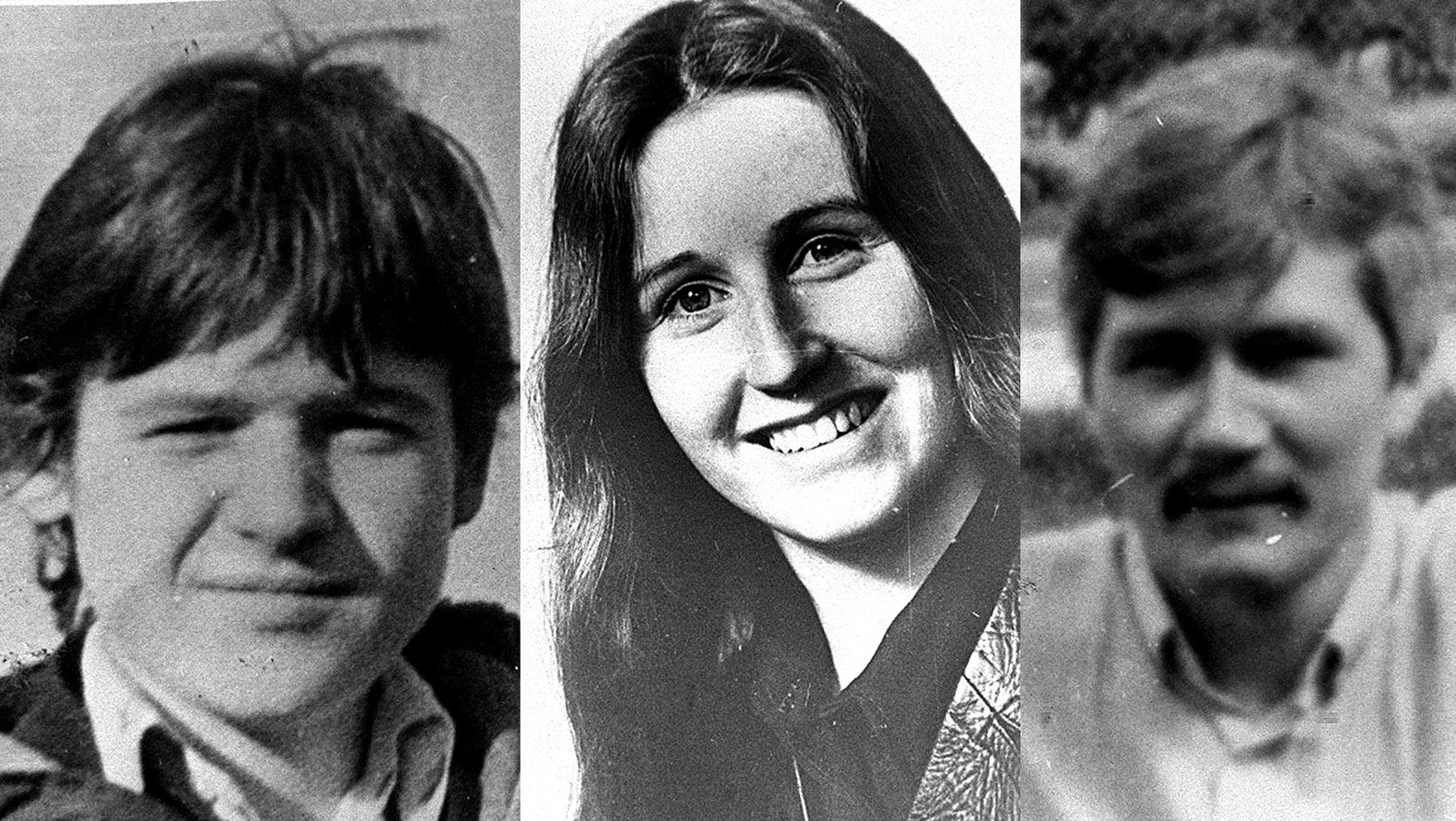
The assumptions made by the SAS team on the ground, that the IRA team were likely to have been armed - and at least one of them would be carrying the detonation button for the bomb, proved to be wrong.
They were unarmed. They had no detonating device. And when bomb-disposal officers examined Savage's car, they found no bomb.
But the IRA operation itself was real.
Spanish police subsequently found a car parked in Marbella, in neighbouring Spain. Inside was a bomb containing 64kg of Semtex, four detonators and approximately 200 rounds of ammunition packed around it as shrapnel. It was equipped with two timers, not a remote-control switch.
Investigations into the deaths in Gibraltar dragged on for years.
A 19-day inquest returned verdicts of lawful killing by nine votes to two. But seven years later, the European Court of Human Rights reached a more complicated judgment.
It rejected the allegation that the British state had deliberately sent the SAS to execute the three. It also accepted that the four soldiers themselves genuinely believed, on the information they had been given, that the suspects could detonate a bomb.
But by ten votes to nine, the court ruled that Britain had violated Article 2, the right to life, because the operation had not been planned and controlled with sufficient care to minimise the need for lethal force.
It questioned, among other things, why the suspects had not been arrested at the frontier and why assumptions about the bomb had been transmitted to soldiers facing split-second decisions.
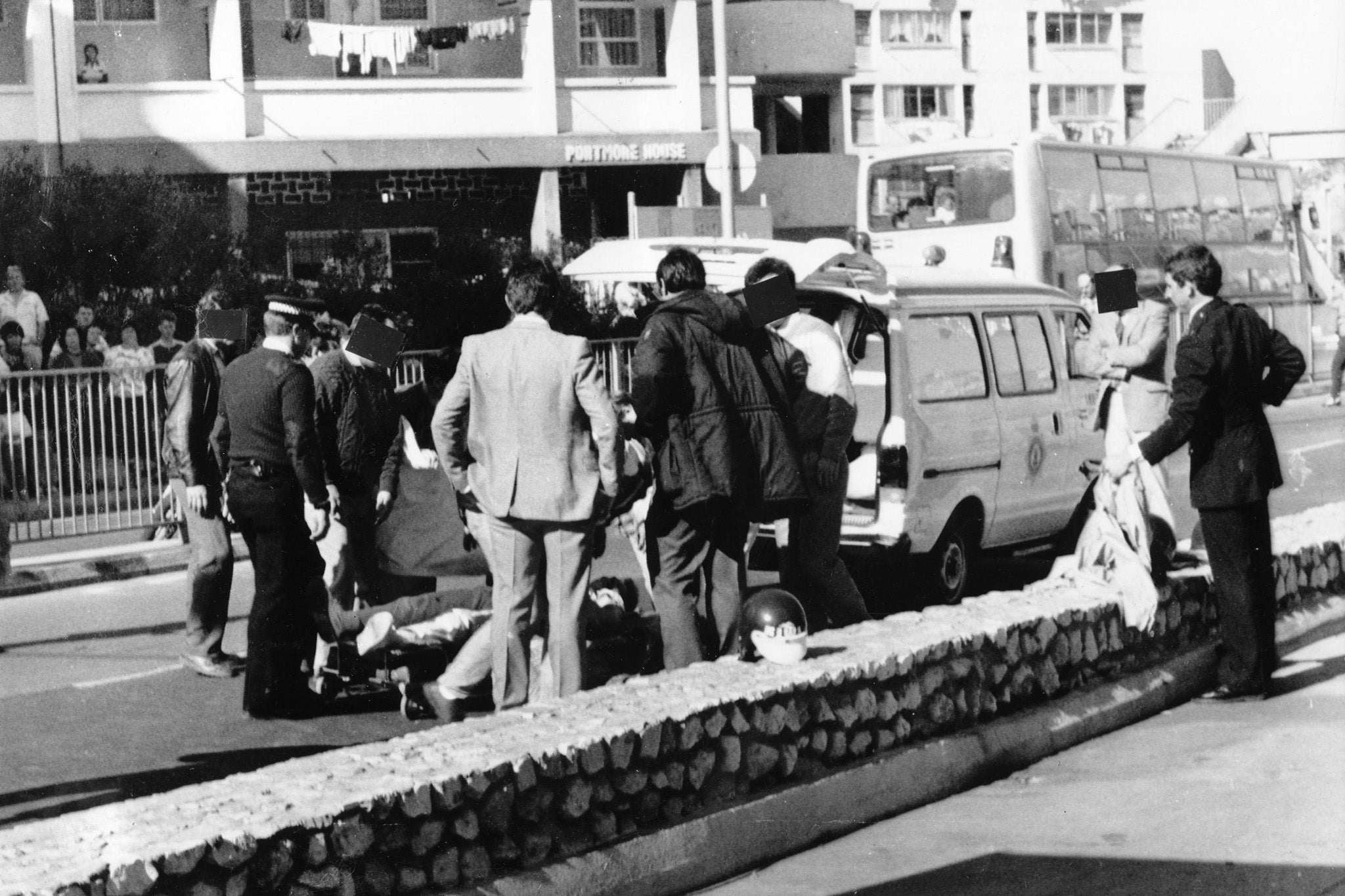
The argument was intensified by Thames Television's Death on the Rock, which challenged the official version of the shootings.
One witness, the TV show alleged, suggested Savage had been finished off while on the ground. They later withdrew that account, but other witnesses continued to dispute aspects of the military version.
What SAS Shadow War interview reveals is how worried the SAS itself became about the legal aftermath.
Ed says the regiment obtained its own lawyer because its interests and those of the British government might not necessarily remain the same if an inquest returned unlawful-killing verdicts.
“There was a concern that the intelligence picture… would not be set out,” he says. A senior intelligence officer eventually gave evidence explaining the information and assumptions behind the operation. Without that, Ed argues, the soldiers would have been required to justify what they did without explaining what they had been told before doing it.
He recalls feeling that the men might be “thrown under the bus” if the legal process went badly. Decades later, he argues that legal scrutiny should be timely and based on new evidence.
The operation in Gibraltar itself unleashed a lethal chain reaction.
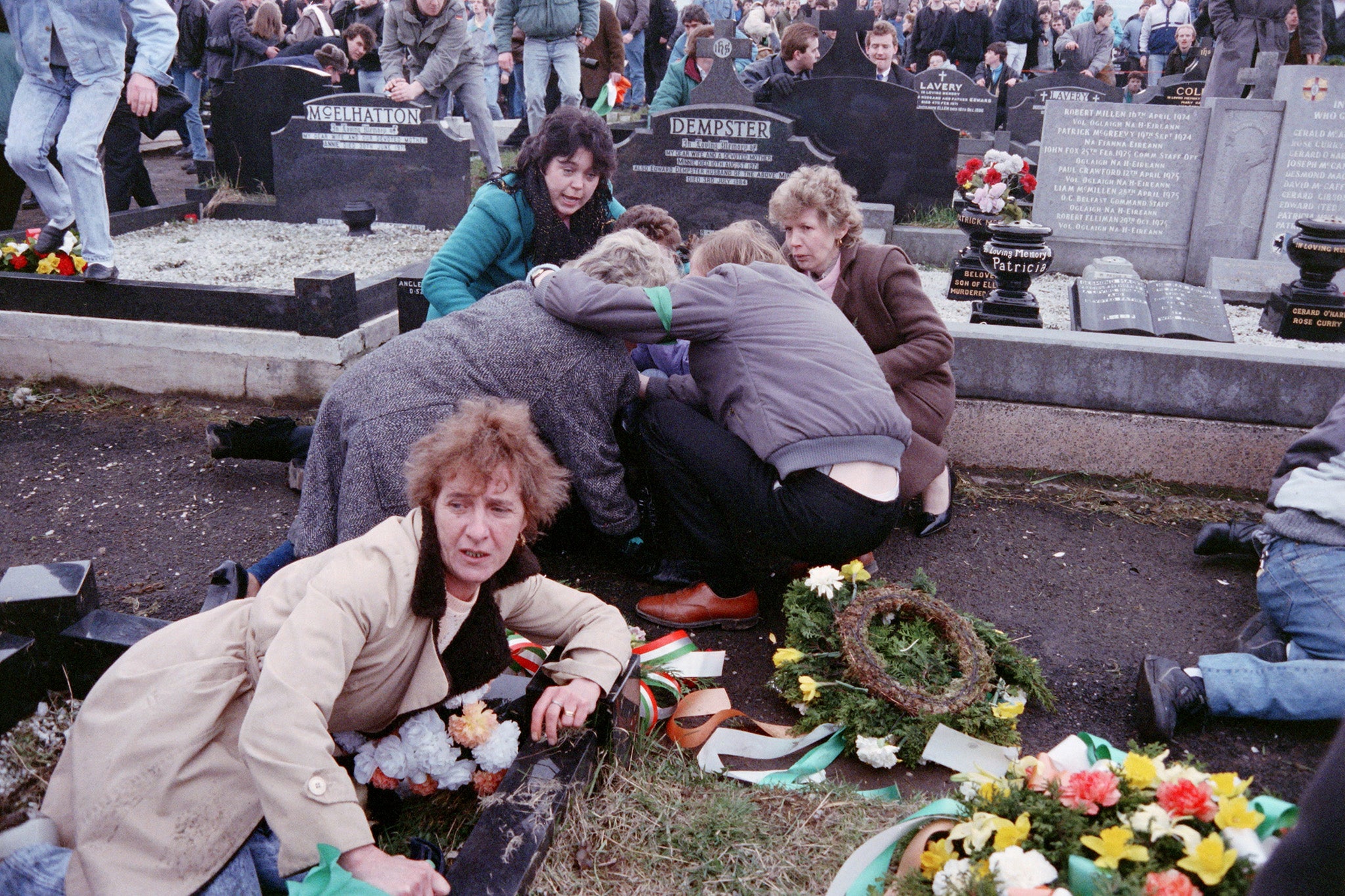
Ten days afterwards, loyalist gunman Michael Stone attacked the funerals of McCann, Farrell and Savage at Milltown Cemetery in Belfast, killing three people.
Three days later, two plain-clothes British Army corporals, Derek Wood and David Howes, inadvertently drove into the funeral procession of one of Stone's victims. They were dragged from their car, beaten and shot dead by the IRA.
In just 13 days Gibraltar, Milltown and the corporals' killings had left eight people dead and dozens wounded, creating some of the most enduring television images of the Troubles.
Nor did Gibraltar end there.
In September 1990, the IRA shot Sir Peter Terry, the former governor of Gibraltar, at his home in Staffordshire. He survived, but both he and his wife was injured. The IRA said the attack was retaliation for his role in Operation Flavius.
This helps explain why Ed is still speaking under a false name, with his voice disguised, almost four decades later. He says he remains concerned not only for himself but for his family.
Yet Ed, like many other SAS and operators from the even more secretive “Det”, then 14 Intelligence Company, has sympathy for the Republicans he spent much of his covert career fighting.
“The job of the military is not to use force to resolve a situation such as the Troubles,” he said. Its task, he argues, was “to hold the ring until a political solution can be found”.
In March 1988 that political settlement remained more than a decade away.
The killings on Gibraltar lasted only seconds. The arguments over the intelligence that led to them, the decisions made by the soldiers, and where responsibility ultimately lay have now lasted almost 40 years.
Listen to the first three instalments of SAS: The Shadow War now, or become an Independent Member for exclusive early access to the entire series. Available on Apple Podcasts and Spotify
KioskNews shows a cleaned-up reading view extracted from the publisher’s page — the original always lives on their site, not ours.