Egg has 6g protein and almost no fibre: 5 foods that give you both
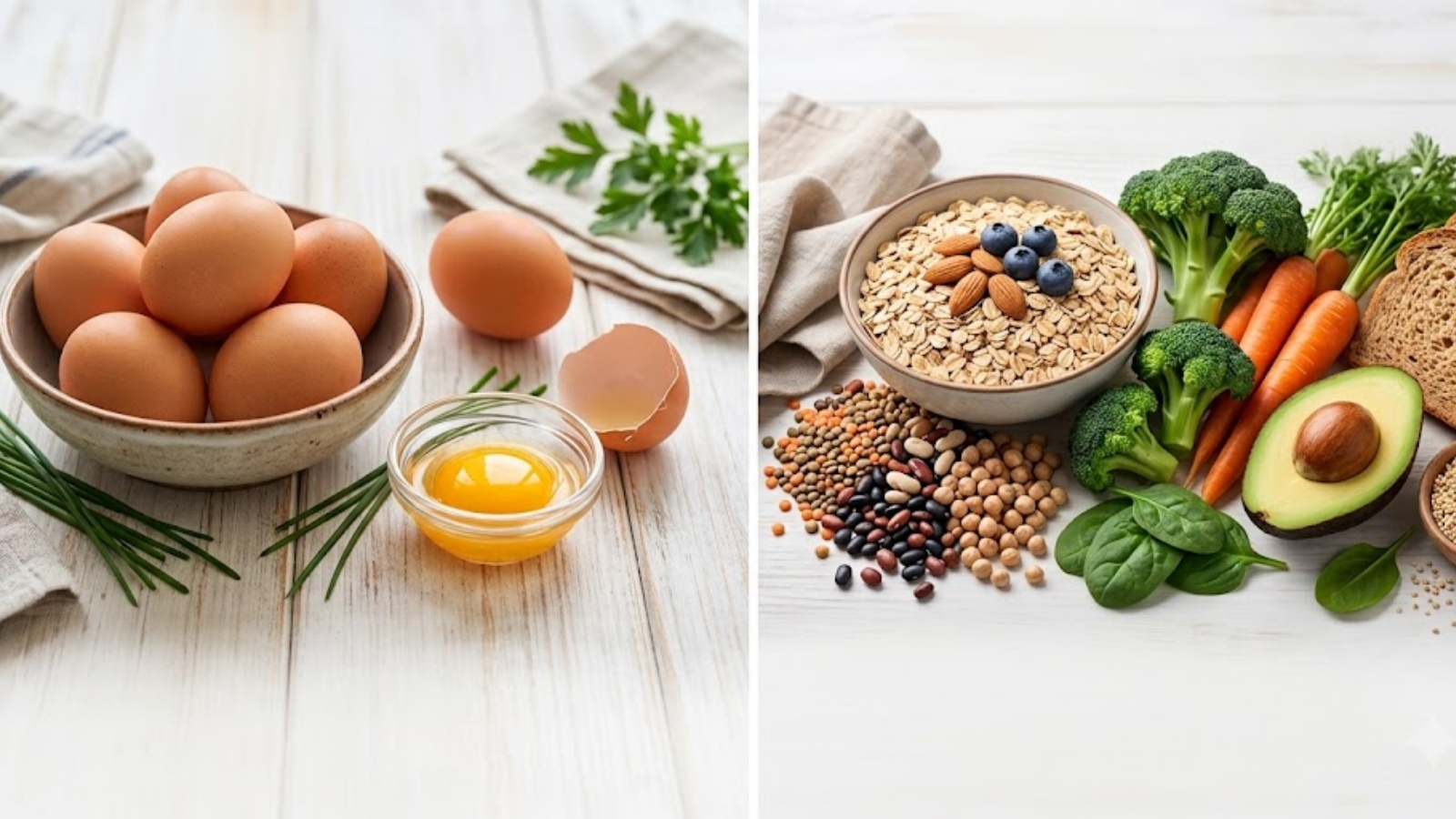
If you think of eggs as your go-to protein source, your everyday pantry has several other options worth considering. Some plant-based foods can provide more protein than an egg while also supplying fibre, making them useful additions to meals for people looking to improve their overall nutrient intake.
According to Dt Ginni Kalra, Head Dietetics, Aakash Healthcare, a regular egg provides around 6 grams of protein and virtually no fibre. In comparison, foods such as lentils, chickpeas and edamame can deliver substantially more protein along with a significant amount of fibre.
“These are not obscure ‘superfoods’; rather, they are everyday kitchen staples most of us already have at home,” she says.
DISCLAIMER: This article is based on information from the public domain and/or the experts we spoke to. Always consult your health practitioner before starting any routine.
1. Lentils
One cup of cooked lentils:
* Protein: ~18g
* Fibre: ~15g
Lentils are one of the simplest ways to increase both protein and fibre in a regular Indian diet. They can be added to dal, soups, salads, or mixed with vegetables.
“A cup of cooked lentils offers roughly 18 grams of protein along with 15 grams of fibre, making it considerably higher in both nutrients than an egg,” says Kalra.
2. Edamame
One cup of cooked edamame:
* Protein: ~17g
* Fibre: ~8g
Edamame, or immature soybeans, is another protein-rich option. You can eat it as a snack or add it to salads, stir-fries, and grain bowls. “It gives close to 17 grams of protein with around 8 grams of fibre per cooked cup,” Kalra explains.
3. Chickpeas
One cup of cooked chickpeas:
* Protein: ~14–15g
* Fibre: ~12g
Story continues below this ad
“Chickpeas provide about 14 to 15 grams of protein and around 12 grams of fibre per cooked cup,” says Kalra.
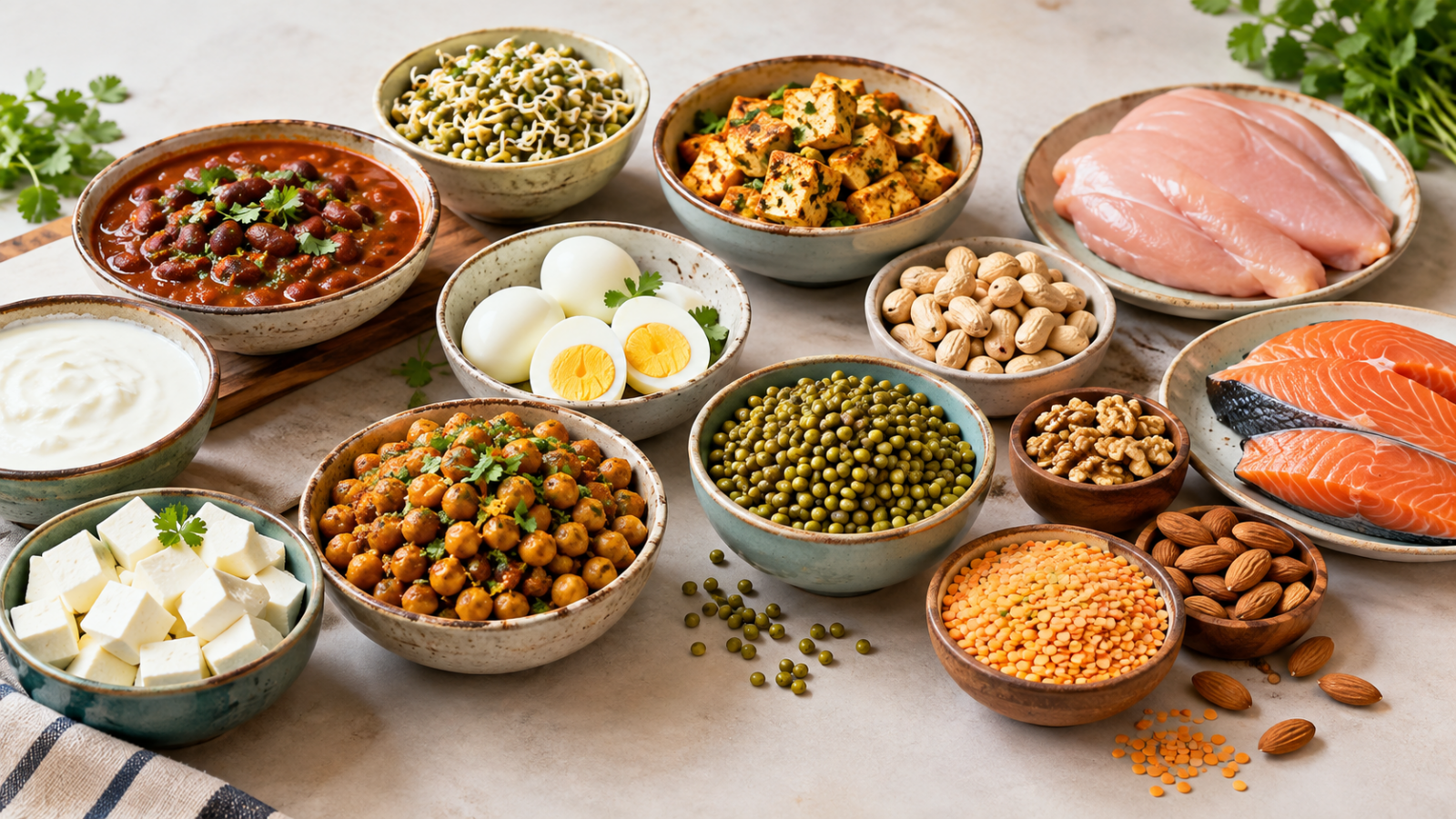 Eggs vs Fibre foods (AI-generated image)
4. Quinoa
One cup of cooked quinoa:
* Protein: ~8g
* Fibre: ~5g
Quinoa provides slightly more protein than an egg per cooked cup, along with fibre. You can use it as an alternative to rice or add it to salads and bowls.
“Even a cup of cooked quinoa provides around 8 grams of protein and 5 grams of fibre,” says Kalra.
Story continues below this ad
5. Oats with seeds
Oats aren’t as protein-rich as lentils, chickpeas or edamame, but they can become a more substantial protein-and-fibre breakfast when paired with seeds.
“Oats for breakfast, topped with seeds, are another simple way to increase the overall protein and fibre content of a meal,” Kalra says.
Can these foods replace eggs?
“Eggs provide complete protein, containing all the essential amino acids, while most plant protein sources may benefit from being paired with grains or seeds to improve the overall amino acid profile,” explains Kalra.
For this reason, she recommends thinking of these foods as additions or alternatives rather than one-for-one nutritional replacements.
Story continues below this ad
“For people managing weight or blood sugar, foods such as lentils and chickpeas can be particularly useful because their fibre content can contribute to satiety and slower absorption of carbohydrates,” she says.
People with kidney disease or early kidney concerns, however, should discuss their individual protein requirements and portion sizes with their healthcare professional rather than increasing protein intake on their own, she adds.
How to add them to your everyday diet
You don’t need to completely change your meals to eat more protein and fibre. Kalra recommends making small, consistent swaps. “Add a cup of cooked lentils or chickpeas to your regular meal, salad or soup instead of treating them as a separate ‘health food’,” she suggests.
DISCLAIMER: This article is based on information from the public domain and/or the experts we spoke to. Always consult your health practitioner before starting any routine.
KioskNews shows a cleaned-up reading view extracted from the publisher’s page — the original always lives on their site, not ours.