Runs, relief, rage: The reasons behind Harmanpreet’s mid-match tears
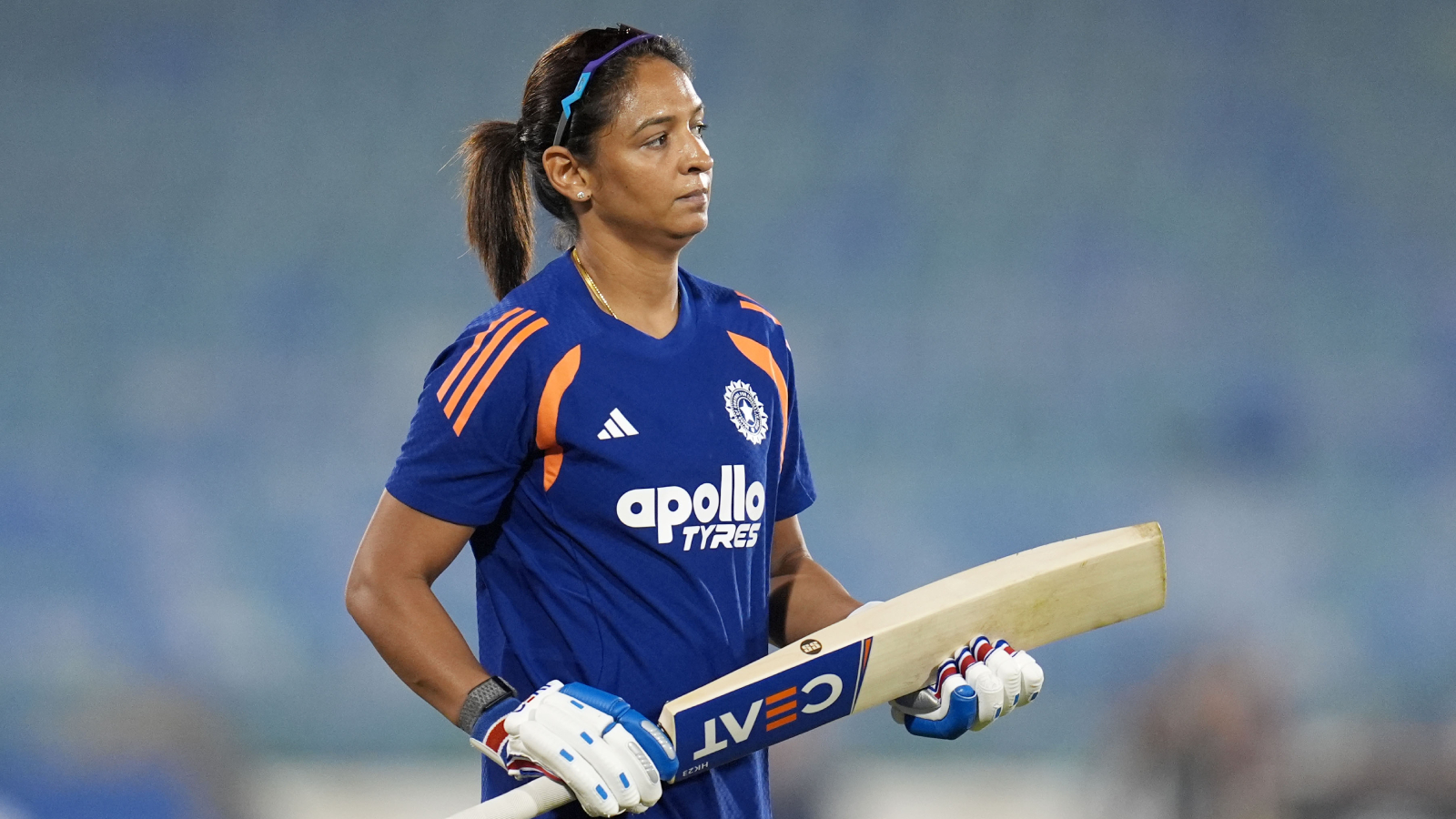
Mid-innings interviews are usually straightforward affairs. The main performer talks about his/her performance, thanks a few people and moves on. Tuesday, though, was different.
Harmanpreet Kaur had powered India to 216/7 in the third T20I against Zimbabwe in Raipur, scoring an unbeaten 91 off 41 balls, when she came for the mid-innings interview. She started the chat smiling. But as the conversation moved forward, she began to tear up. “It feels great. Just wanted to enjoy myself, and it was great that I got some time in the middle and really enjoyed myself on the field. Just wanted to enjoy myself, just wanted to bat as long as possible, and glad that I was able to do that,” she said.
“I think I should give credit to you also (speaking to WV Raman). The moment we came, you stepped in, and you said, ‘Now you do what you want to do,’ and that’s what I want to do, and I really want to enjoy myself. Thanks for those words. After the two games, I got some time in the nets. I really want to thank Himanshu bhaiya, who’s been working really hard on me, and today’s batting is all about him,” she added.
Harmanpreet struggled to hold back her tears as the interview progressed. When it ended, she lobbed the mic aside and walked away. Cricketers are used to dealing with pressure and moving on when things don’t go their way. You don’t often see them display their emotions like that. Harmanpreet had stepped down as India’s all-format captain two weeks ago, with Smriti Mandhana taking over. The Indian Express had reported that Harmanpreet wanted to continue as captain, but the selectors had decided it was time for a change.
Her childhood coach, Kamaldeesh Singh Sodhi, had never seen this side of her. “I have never seen her get so emotional,” Sodhi told The Indian Express.
knowing how badass tough harman is, watching her break down like this just shows what all she’s actually going thru, hope you pull thru all this gurl! https://t.co/n0umC975R6
— Sneहाहाहा (@__Sn_e_ha__) October 20, 2026
Harmanpreet had scored one in the first T20I, did not bat in the second and made her first 50-plus score in the format in eight innings on Tuesday. Sodhi felt her recent struggles with the bat, as well as the end of her captaincy, could have contributed to the reaction.
“Since she stepped down as captain, this was her first good innings. That could be the main reason she became emotional,” he said.
Freeing the mind
Sodhi had advised her to play more openly and felt the end of her captaincy had brought some relaxation. “I have told her to play openly. When you are the captain, there is a lot of pressure because of the result. Once the captaincy is gone, the mind becomes free. Then the only responsibility is batting. So there is some relaxation,” he said.
Story continues below this ad
Sodhi also said Harmanpreet turns to his son, Yadwinder, a migration lawyer based in Adelaide, Australia, when dealing with a “serious problem”. “Whenever there is a serious problem, she discusses it with him,” he said.
Yadwinder did not watch the match live but saw the highlights, including the interview. He felt Harmanpreet’s recent struggles with the bat could have contributed to the emotions coming through. “I guess emotions come out when you don’t perform. Our Indian culture is like this – when we don’t perform, people get against any player,” he said, referring to the criticism faced by established players such as Rohit Sharma.
He also felt the end of Harmanpreet’s captaincy had lifted some of the pressure she had been carrying. “When she was playing as captain, she had to take responsibility. Sometimes she had to build the innings. There was always that fear – ‘What will happen if she gets out?’” he said.
“She got a green signal to play openly, which is actually her game. She is very good when she plays openly,” he added.
Story continues below this ad
Behind the emotion was plenty of work. Harmanpreet said she had spent long hours in the nets before the series. “Before the series, I spent a lot of time in the nets and did a lot of drills. 4-5 hours every day in the nets so that I can get used to these conditions, get used to the kind of batting I am going to do. Those practice sessions helped me a lot,” she told BCCI.TV.
The 91 not out did not take away the pressure she had carried coming into the series. But for one evening, after years of responsibility and scrutiny, Harmanpreet played freely without carrying the captain’s burden. When the runs finally came, so did the emotions. There was relief, but also a sense that she could finally let go.
The ODI series begins in Vadodara on Friday, giving Harmanpreet a chance to carry that freedom into the longer format.
KioskNews shows a cleaned-up reading view extracted from the publisher’s page — the original always lives on their site, not ours.