The Next Star Wars Movie Is Making A Big Change To The Series' Lore, And It's For The Better

Derek is the Training Lead for ScreenRant. Before his current position, he spent 20 years working in games, TV, and film while also writing for several entertainment sites.
Derek is also the co-host of three pop culture podcasts: Across the Omniverse, The Bad Batch, and Watch Men.
In 2027, Star Wars will celebrate its 50th anniversary. Along with a re-release of the original Star Wars as audiences originally saw it in 1977. No updated CGI, no Han shooting first. And no "A New Hope" subtitle. But that isn't all fans of a galaxy far, far away will get next year. Shawn Levy, hot off the massive success of Deadpool and Wolverine, has teamed up with Ryan Gosling, hot off the massive success of Project Hail Mary, for the first post-sequel trilogy Star Wars movie.
Star Wars: Starfighter promises to show audiences something the franchise hasn't seen before, and it isn't just the period it takes place in. According to Levy, the movie will do away with a constant element that has existed in every Star Wars movie and show, helping introduce a new era for the franchise. The change may not seem huge at first, but the possible ramifications could completely change how people see Star Wars. And, at the least, it ensures that whatever comes after Starfighter — if they continue to move forward in the timeline — will also be unlike the Star Wars of old.
There Is No Government In Star Wars: Starfighter

Just about every Star Wars story — and certainly the Skywalker Saga — has focused on changes in government. The prequels see the fall of the Galactic Republic and the rise of the Empire. The original trilogy was all about the Rebel Alliance destroying the Empire. And the sequel trilogy saw the First Order rise up and destroy the new Galactic Republic.
That last one was a pebble in the shoe of many fans. From the start, one of the bigger complaints of the Rey-centric trilogy was that it felt like the movies were just repeating the stories of the previous two. Instead of a Death Star that can blow up a planet, The Force Awakens has the Starkiller Base that can blow up seven planets at once! Rey's training in The Last Jedi is very similar to Luke's in Empire Strikes Back. Rise of Skywalker reveals that, and I quote, "Somehow, Palpatine returned."
A lot of what the movies did felt like a retread, as if Disney and Lucasfilm were taking George Lucas' "It's like poetry. It rhymes" to the Nth degree. But Shawn Levy revealed that Starfighter will be going off in a very new direction for the franchise. Not only will there be a total lack of legacy characters, there won't be a galactic government. As Levy explained to Good Morning America...
This is a moment in the galaxy where there is no sort of governing enforcer or order. And so everyone is just trying to survive, everyone is just trying to do their best to get by, and Ryan’s character Kade is from the wrong side of the galaxy, did not grow up with a silver spoon in his mouth, [has] a little bit of an edge, a little bit of a working-class background, [and] comes from zero privilege. He goes on an adventure that sort of intersects his fate with the fastest starfighter ever built.
This change to how Star Wars has been presented over the last 50 years opens the franchise to a whole new range of stories, but it also calls back to its earliest days.
Starfighter Reconnects Star Wars To George Lucas' Biggest Influences
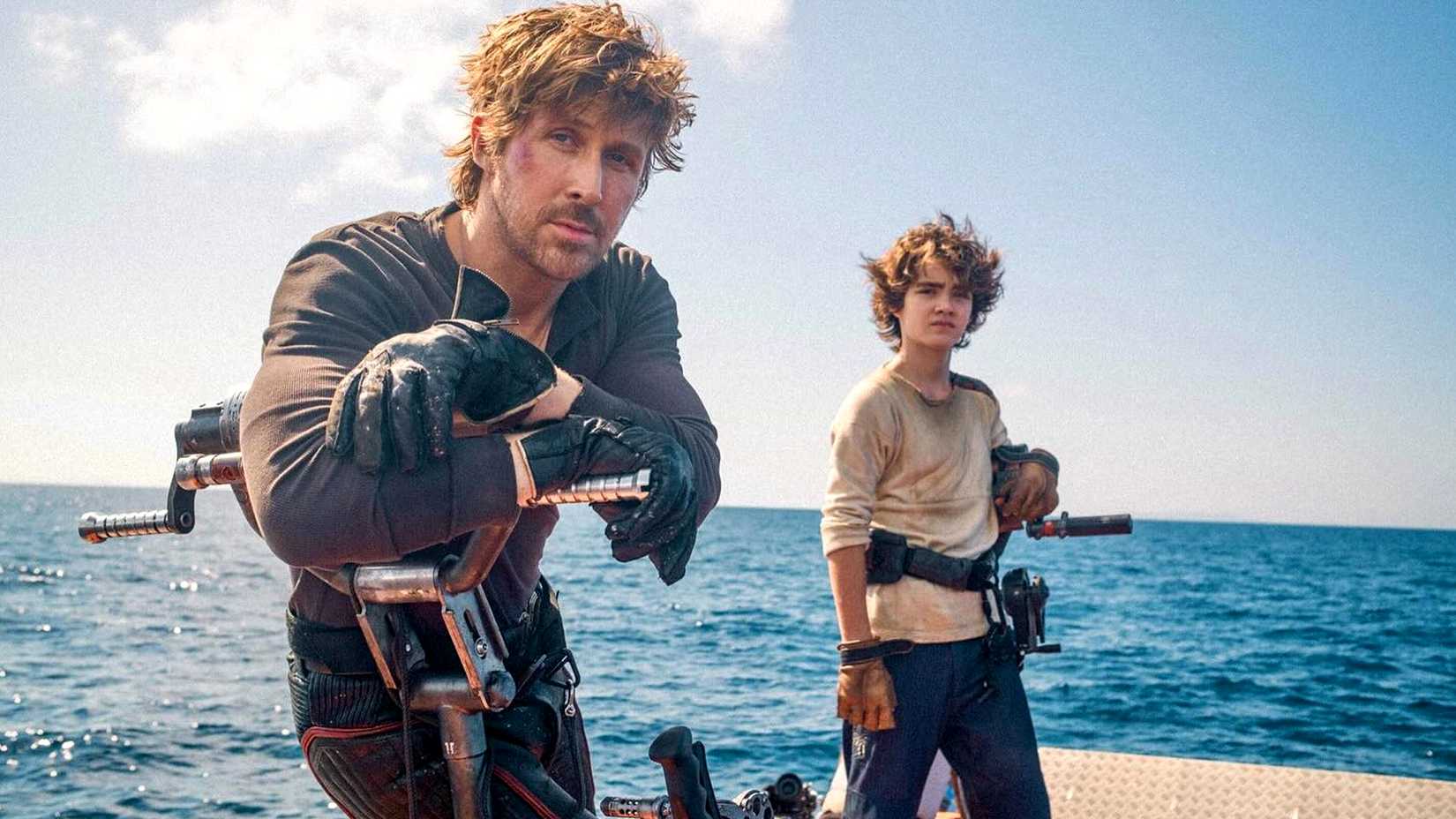
When he first brought Star Wars to the world, George Lucas was heavily inspired by three things. The first was his life in Modesto, California and feeling like he would never get out of there. But the other two were about the kinds of stories he liked. Lucas was influenced by Westerns and Samurai movies. Tatooine and its frontier style of justice — along with Han Solo as the embodiment of the gunslinger — were clear parallels to the Westerns of yore. Meanwhile, Lucas has said that the Jedi were based on samurai culture, and it's impossible not to see the work of Akira Kurosawa in Lucas' work. Heck, he even wanted Toshiro Mifune, who often worked with Kurosawa, to play Obi-Wan Kenobi.
But one piece of Western and Samurai lore that Lucas didn't have any use for was how the both periods of time were known for their lack of a centralized form of law. In the Old West, each town or county pretty much decided which laws they would and wouldn't follow, making it easier for crime and corruption to grow. Feudal Japan was similar, with Daimyo overseeing territories and controlling their own armies to run things how they wanted to, while the Emperor was little more than a figurehead.
If there is no central government in the period of Starfighter, then it seems like Levy, and any creators who follow him, are building a universe where, after some 60 years of constant government upheavals (Republic to Empire to Republic to First Order), the people of the galaxy have tired of the endless warring and have decided to just run things on a planet by planet - or system by system - format. This opens Star Wars up to explore wholly new types of stories that rely less on huge, galaxy wide threats and on more personal adventures.
Where all of it will lead to is unknown, but between a galaxy sans government and a new Jedi Order slowly emerging remains to be seen, but it seems clear that Levy and Ryan Gosling are looking to bring a new sense of danger to Star Wars. One that, hopefully, won't rely on Palpatine somehow returning yet again.
- Release Date
- May 28, 2027
- Director
- Shawn Levy
- Writers
- Jonathan Tropper
- Producers
- Shawn Levy, Kathleen Kennedy
- Franchise(s)
- Star Wars
KioskNews shows a cleaned-up reading view extracted from the publisher’s page — the original always lives on their site, not ours.