Avatar: The Last Airbender's New Sequel Just Changed Genres Twice In 1 Season

Ben Sherlock is a Tomatometer-approved film and TV critic who runs the massively underrated YouTube channel I Got Touched at the Cinema. Before working at Screen Rant, Ben wrote for Game Rant, Taste of Cinema, Comic Book Resources, and BabbleTop. He's also an indie filmmaker, a standup comedian, and an alumnus of the School of Rock.
When a TV classic starts getting spun off into sequels, it’s usually a recipe for diminishing returns. The ending of The Boys is about to be undermined by the arrival of Vought Rising, and The Walking Dead’s final episode is too busy setting up everyone’s spinoffs to provide a satisfying conclusion to the 11-season saga at hand. But franchise expansion isn’t always a bad thing. The sequels and spinoffs don’t always undermine the original; sometimes, they complement the original.
Avatar: The Last Airbender is one of the greatest TV shows ever made. Along with The Wire and Chernobyl and Six Feet Under, it’s one of those shows that everyone should watch at least once in their lives. It’s a martial arts fantasy epic, with lots of superpowered fight scenes, but underneath the spectacle, it deals with really dark, heavy themes, and makes big ideas accessible to small viewers.
In the years since Avatar went off the air, the powers that be have blown it up into a franchise, with a live-action remake, a straight-to-streaming movie sequel, and a couple of spinoff shows. The latest spinoff, Avatar: Seven Havens, picks up more than 200 years after Korra’s tenure as the Avatar. While it could’ve rested on the franchise’s laurels and just copied everything that worked about The Last Airbender, Seven Havens has proven to be its own beast entirely. It’s set in the familiar Avatar world, but it tells a brand-new story with brand-new characters and themes, and it belongs to a different genre altogether.
Avatar: Seven Havens Is A Post-Apocalyptic Mystery

By the time Seven Havens picks up, the Avatar universe is a very different place than we’re used to. In The Last Airbender, everyone was being oppressed by the Fire Nation, but the world itself was intact. In Seven Havens, the world has effectively ended; all but the titular seven settlements have been wiped out by a mysterious apocalyptic event known as “The Cataclysm.” Since the Cataclysm is believed to have been caused by Korra, the Avatar is no longer a beloved folk hero; they’re considered a harbinger of death. But it’s not just the worldbuilding that’s changed; the sequel is dabbling in a couple of new genres.
The Last Airbender was a classical hero’s journey, following Aang’s quest to get over his impostor syndrome, come to terms with his destiny, master all four elements, and defeat the Fire Lord. But Seven Havens brings not one, but two different genres into the fold. The futuristic sequel is both a post-apocalyptic adventure across the Mad Max-style “harshlands,” and an engaging mystery, keeping us in the dark as it slowly unravels the truth behind the Cataclysm.
Rather than just rehashing what worked in The Last Airbender, Seven Havens flips the script. Suddenly, the world is over, the Avatar is a villain, and there’s a mystery to uncover. Seven Havens is the Avatar franchise’s first attempt at a Lost-style mystery-box show, and it’s been working a charm so far.
Seven Havens Recaptures The Spirit Of The Last Airbender

Seven Havens is a very different story than The Last Airbender, set in a very different time, but it shares a tenacious spirit with its predecessor. Like The Last Airbender, Seven Havens inspires hope in the face of adversity, it deals with mature themes and trusts its young audience to wrap their little heads around them, and it allegorizes universal coming-of-age stories through the lens of mythic fantasy.
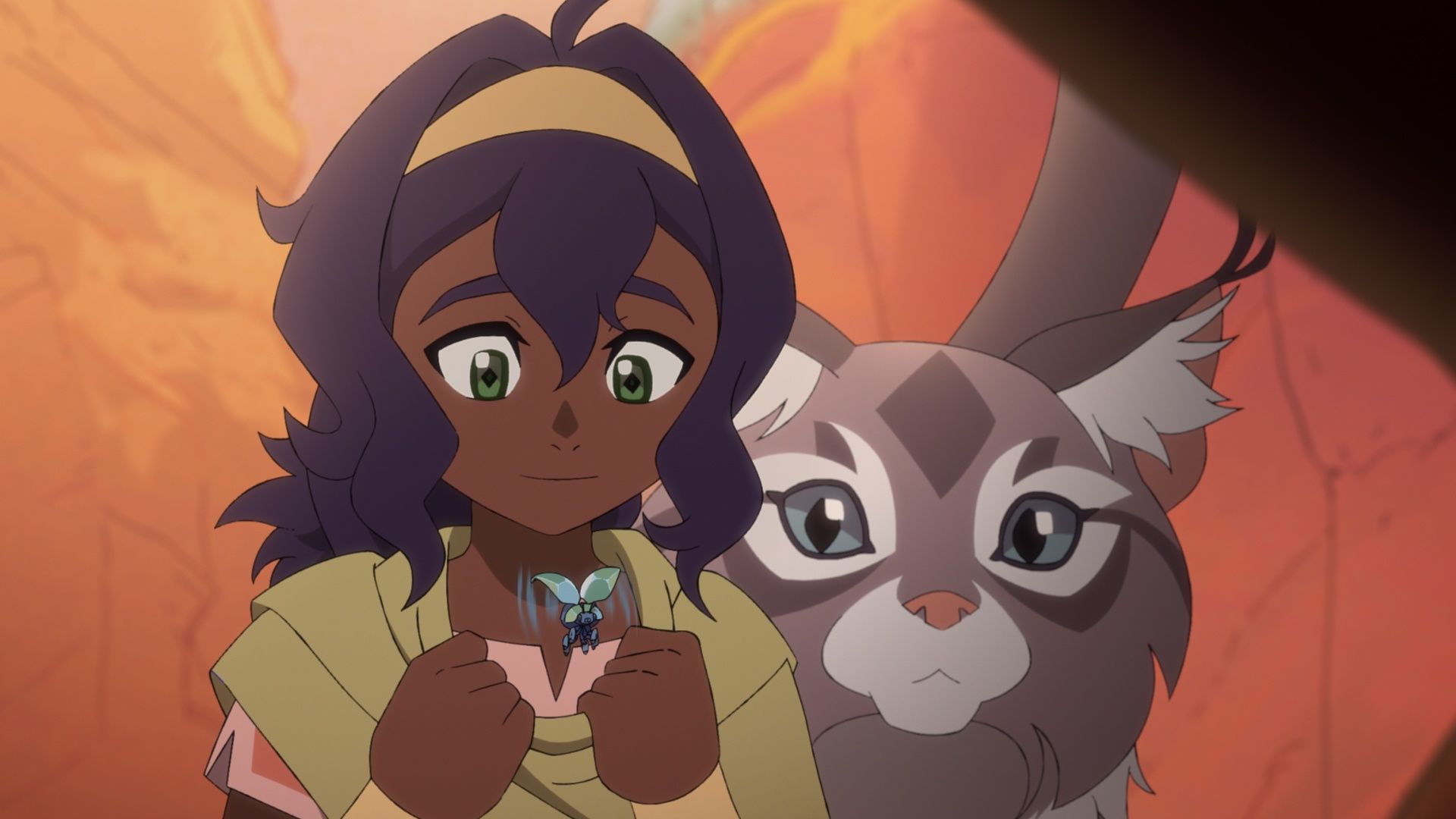
For the first time ever, there are two Avatars sharing the responsibilities of the title. Pavi and Nisha are long-lost twins who discover a strange psychic connection and quickly realize that the fate of the world rests in their hands. Much like The Last Airbender did with Aang, Avatar: Seven Havens uses the high-stakes pressures of being the Avatar to reflect the relatable foibles of growing up.

Avatar: Seven Havens
- Release Date
- October 9, 2026
- Network
- Paramount+
- Showrunner
- Ethan Spaulding
- Directors
- Kenji Ono, Jen Bennett, Jasmine Goggins
KioskNews shows a cleaned-up reading view extracted from the publisher’s page — the original always lives on their site, not ours.