World War II notes linked to ‘The Great Escape’ prison camp found in garage crawlspace
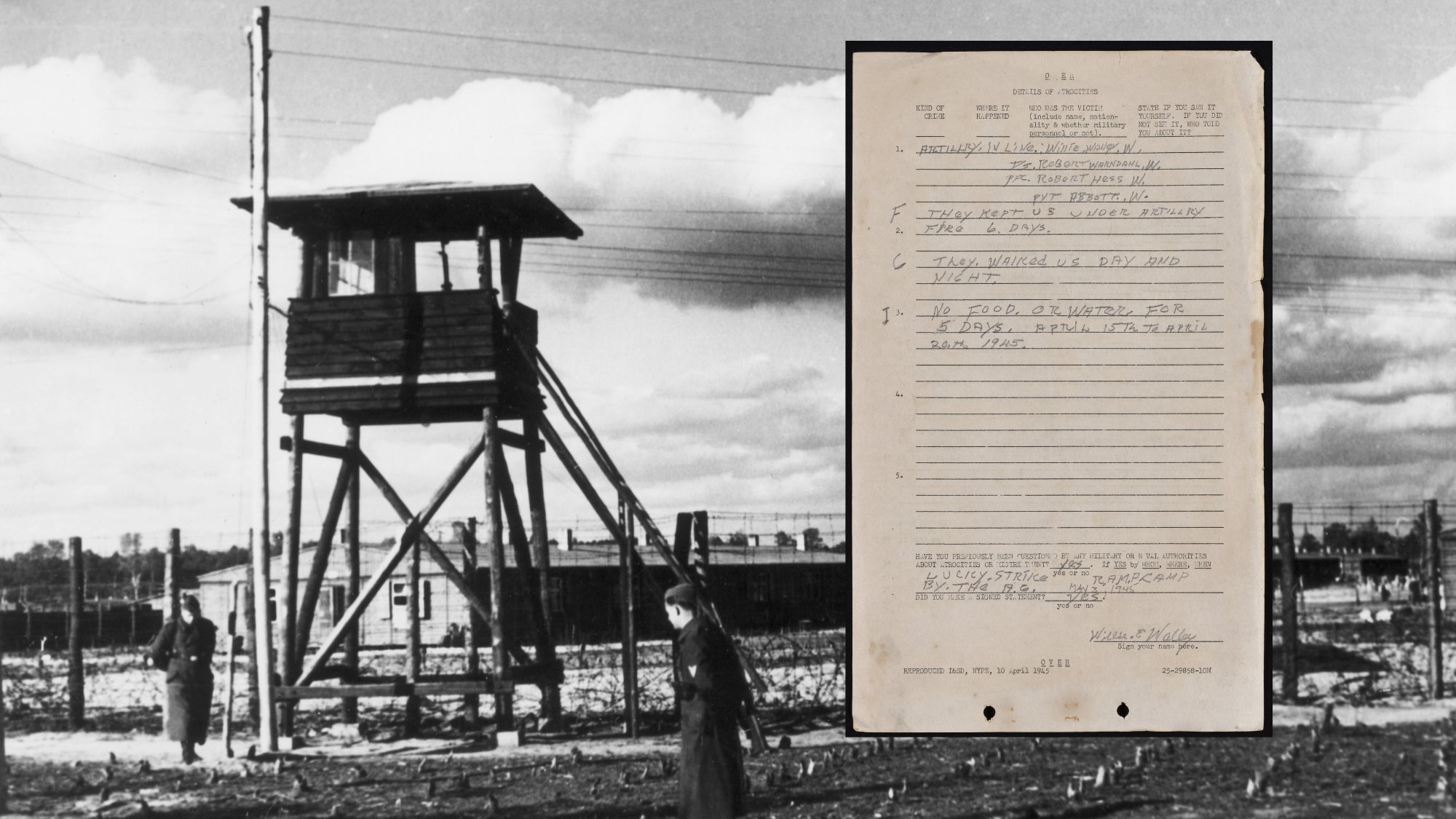
A man in upstate New York discovered more than cobwebs and missing holiday decorations while recently cleaning out his garage. Behind a small wood plank, homeowner Jason Hurdle spotted a long-forgotten crawlspace stuffed with vintage milk pails, a safe, and a dusty box of files. Hurdle intended to simply toss the papers in the trash, until a perfectly timed gust of wind removed the crate’s lid. Only then did he realize the box’s true contents: dozens of reports labeled “Secret” relating to Stalag Luft 3, an infamous prison camp run by the Nazi Luftwaffe near Germany’s western border during World War II. Over 300 pages of handwritten accounts from U.S. soldiers recounting their brutal incarcerations at the facility under conditions “not fit for humans.”
“I feel the hurt, the pain, and a lot of things these guys have been through,” Hurdle recently told local news outlet WHEC.
A visit from specialists at the National Archives quickly confirmed the authenticity of the questionnaires, which were compiled in 1945 following Allied liberations of German POW camps. The box was clearly intended for use as evidence of war crimes, which the reports corroborate in tragic detail. Soldiers wrote about living in facilities with “no heat, no beds” while exposed to the elements and vermin. Other troops recalled grueling work on rail lines while witnessing beatings, executions, and even the “cold blooded murder” of surrendering armed forces. Stalag Luft 3 is famously the site of a breakout later recounted by former prisoner Paul Brickhill in the book and 1963 film adaptation, The Great Escape.
“When I first laid them on the table in front of them, the first thing the one agent said was, ‘These are original, we want these,’” added Hurdle.
It’s still unclear how the box ended up inside the garage crawlspace. Hurdle suspects they may have belonged to a retired U.S. Army officer who once lived next door, especially since the box also contained other personal items from the man’s family. In any case, the indispensable historical accounts are now under the care of the National Archives, who have since digitized and unclassified the reports. The entirety of the discovery is now available online to the public.
KioskNews shows a cleaned-up reading view extracted from the publisher’s page — the original always lives on their site, not ours.