Google-backed energy outfit brings 33 MW of 4 GW geothermal potential online in Utah
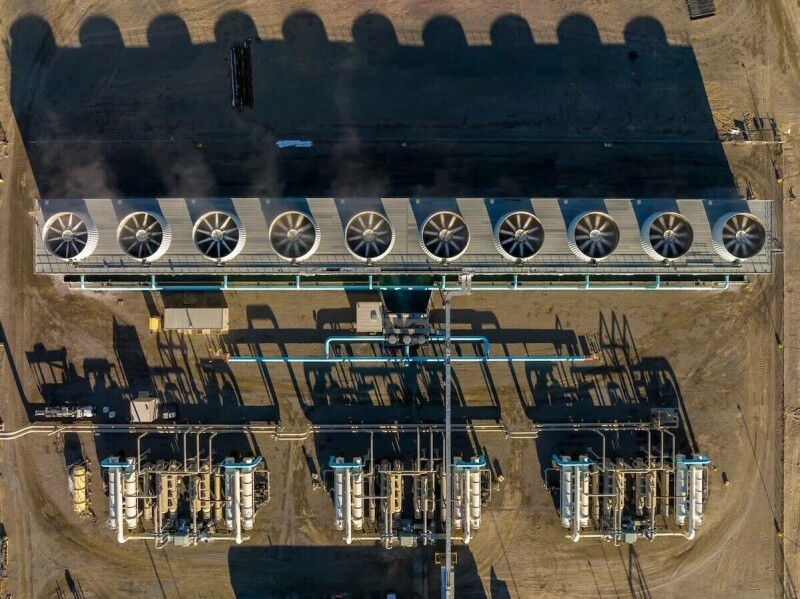
Fervo Energy aims to have 100 MW online by New Year and half a gigawatt by 2028
Google's bet on geothermal energy is starting to pay off. Fervo Energy, an enhanced geothermal systems (EGS) provider backed by the Chocolate Factory, achieved first power at its Cape Station power plant in Beaver County, Utah this week.
The first of three 33 MW GeoBlocks has begun supplying electricity to the grid and is expected to reach commercial operation next week, with another 66 MW of capacity expected to come online by New Year. Fervo says the station has the potential to eventually scale to more than four gigawatts of capacity.
For now, the company is working toward fulfilling 900 MW of contracted capacity.
REG AD
The deployment builds on years of research and development into EGS technologies that use heat generated by the Earth's crust to convert water into steam, which, like in most other power plants, is converted into energy using turbines.
REG AD
The trick is getting the water deep enough in the first place. To overcome this challenge, Fervo borrowed technologies originally developed by the oil and gas industry.
Two parallel wells are dug to around 8,000 feet (2,438 meters) below the surface. The rock is then fractured to allow water to pass between the two, heating the water to 190 degrees Celsius in the process.
Back in 2023, Fervo demonstrated the tech at its Project Red site, which was capable of generating a modest 3.5 MW of power. Fervo’s Cape Station is orders of magnitude larger in scope.
While the plan is expected to produce just 100 MW of capacity by January 1, its capacity is expected to swell to half a gigawatt by 2028.
One of the major beneficiaries of the buildout is Google. The search and advertising giant has been an early proponent of geothermal power generation going back to at least 2008.
In addition to its deal with Fervo, Google has also agreed to buy power from Ormat Technologies’ competing geothermal operations. Earlier this year, the Chocolate Factory announced a 150 MW deal with Ormat and Nevada’s NV Energy to fuel its datacenter expansion.
Faced with grid constraints, Meta has been investing in the tech. Back in 2024, the company partnered with Sage Geosystems to deliver up to 150 MW of power.
However, compared to conventional energy generation, geothermal still faces challenges as noted by think tank Rhodium last year. While the firm estimates the tech could meet up to 64 percent of datacenter demand by the end of the decade, those bit barns could end up paying a 20 percent premium for it. ®
KioskNews shows a cleaned-up reading view extracted from the publisher’s page — the original always lives on their site, not ours.