Latvia holds election as concerns over Russia, inflation dominate
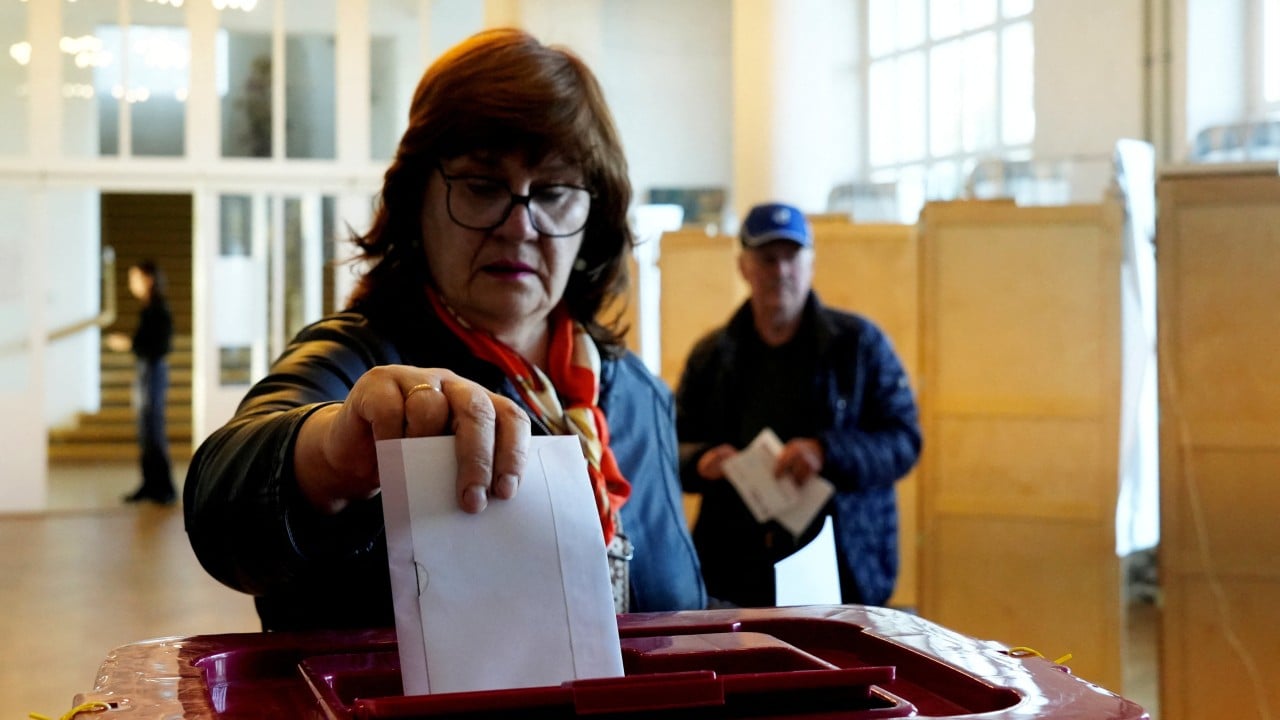
Latvia will vote on Saturday in an election shaped by concerns over neighbouring Russia and the cost of living, but the result is not expected to steer the country off its pro-European and pro-Ukrainian course.
The centre-right United List party of incumbent Prime Minister Andris Kulbergs is at the head of the race, with over 14 per cent of the vote, according to the SKDS institute.
His coalition, however, is expected to emerge weakened as populist parties gain ground by focusing on economic concerns in the least affluent of the three Baltic states.
The current governing coalition is made up of United List, New Unity, the Union of Greens and Farmers and the National Alliance. Polls suggest the bloc is unlikely to retain power in its current form after the vote.
Criticised as pro-Russian by its detractors, the populist Sovereign Power party, led by Julija Stepanenko, is polling at over 9 per cent and could become the second-largest party in Latvia’s 100-seat unicameral parliament.
The party has opposed military aid to Ukraine and further increases to defence spending, instead highlighting domestic economic problems.
Despite its gains, the party is unlikely to enter government because most major parties have ruled out cooperation with it.
Another populist force, Latvia First, led by businessman Ainars Slesers, could prove a more viable coalition partner.
The Progressives, a pro-European social democratic party advocating stronger social protections and continued support for Ukraine, are polling around 6 per cent.
With roughly one in five voters still undecided, the final composition of the next parliament remains uncertain. Fourteen electoral lists are contesting the election, but polls indicate only seven are likely to clear the 5 per cent threshold needed to enter parliament.
Security remains central to political debate four years after Russia’s invasion of Ukraine.
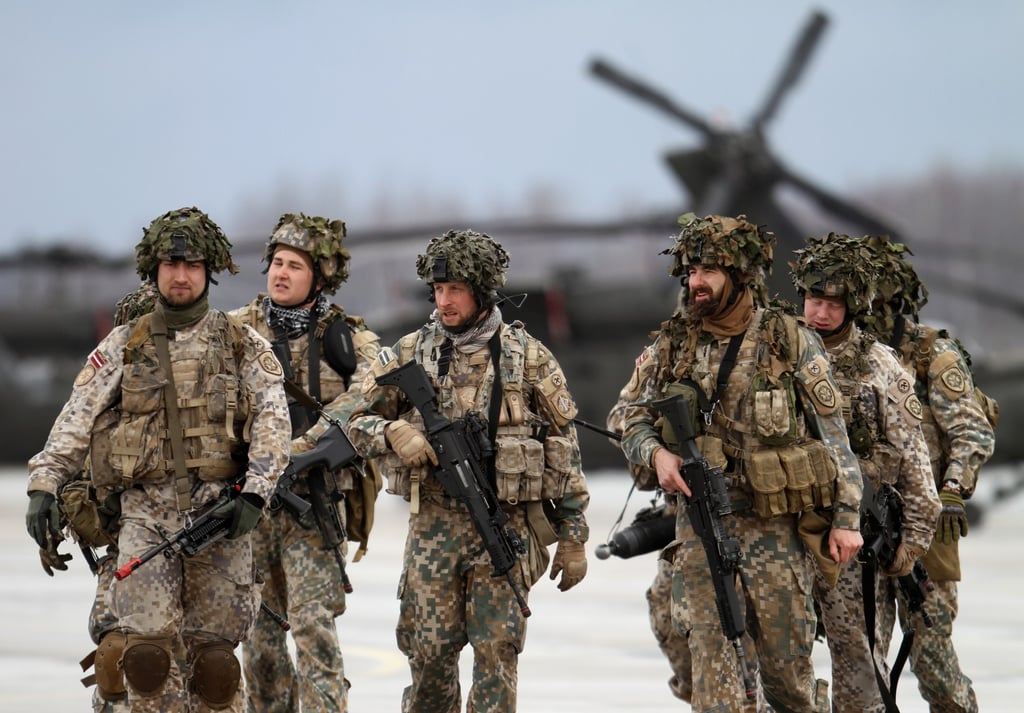
Latvia, a member of Nato and the European Union since 2004, views Russia as its principal security threat and has significantly increased defence spending in response.
It has sharply increased its defence spending since Moscow’s 2022 invasion of Kyiv, now allocating nearly 5 per cent of its GDP to defence.
Most parties expected to enter parliament support maintaining military spending at elevated levels and continuing help to Kyiv.
Economic issues nevertheless remain crucial to voters. Rising living costs, low wages, strains on the healthcare system and long-term population decline all feature prominently in campaign debates.
Voting patterns among Latvia’s large Russian-speaking minority are also changing.
Once concentrated behind the Harmony party, which lost parliamentary representation in 2022, many voters are increasingly making choices based on economic and social issues rather than identity politics alone.
Once ballots are counted, attention is likely to shift quickly to coalition negotiations, which could prove lengthy and complex.
Partial results are expected on Saturday evening, with preliminary official results due on Sunday.
Exit polls are expected shortly after polling stations close.
KioskNews shows a cleaned-up reading view extracted from the publisher’s page — the original always lives on their site, not ours.