Analysis: Punjab Congress At Crossroads: Who Could Lead Team Rahul Into 2027
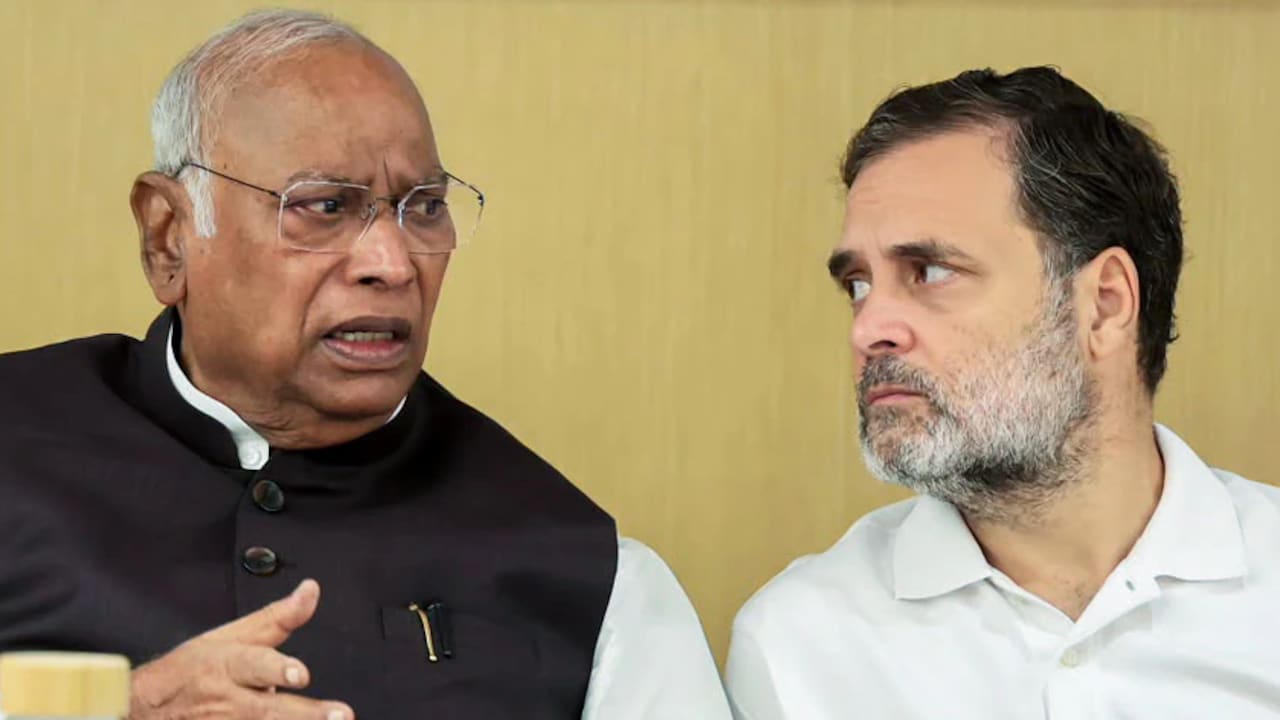
The Punjab Congress enters the 2027 election cycle with political strength but also internal complexity. The party has several senior leaders with their own constituencies and support bases, making the choice of the next Punjab Pradesh Congress Committee (PPCC) president more than a simple leadership change.
The Congress high command must try to balance region, caste, religion, rural-urban representation and organisational acceptability.
Punjab's social arithmetic makes this difficult.
Around 62.5 per cent of the population is rural and 37.5 per cent urban.
Scheduled Castes account for nearly 31.9 per cent, Hindus about 38.4 per cent, while Jat Sikhs are commonly estimated at around one-fourth of the population and remain highly influential in rural politics.
But these are population figures, not fixed vote banks. Hindu, Dalit and Sikh voters do not vote as uniform blocs. Region, candidate, local issues, agriculture, leadership and anti-incumbency all matter. So the Congress cannot assume that a Hindu, Dalit or Jat Sikh president will automatically consolidate that community's vote. The real challenge is building a leadership formula acceptable across Punjab.
There is a strong buzz that the Congress has decided to replace Amrinder Singh Raja Warring as the Punjab Congress president. The party, however, has not yet issued a formal organisational order in this regard.
How The Leadership Question Returned
In July, the Congress high command tried to contain Punjab's internal differences by retaining Raja Warring while distributing key responsibilities among senior leaders.
Charanjit Singh Channi headed the Campaign Committee, Sukhjinder Randhawa the Core Committee, Vijay Inder Singla election management, while Partap Singh Bajwa remained the Leader of the Opposition.
The formula, however, did not fully end the disagreements.
Channi's supporters continued to seek organisational changes, and Bhupesh Baghel was later replaced by Sachin Pilot as Punjab in-charge.
After fresh consultations, the leadership question has resurfaced. Names being discussed include Vijay Inder Singla, Pargat Singh, Randhawa, Gurjeet Singh Aujla, Sukhbinder Sarkaria, Channi and Bajwa -- showing that the Congress is searching not just for a president, but for the right political and social balance before 2027.
Vijay Inder Singla
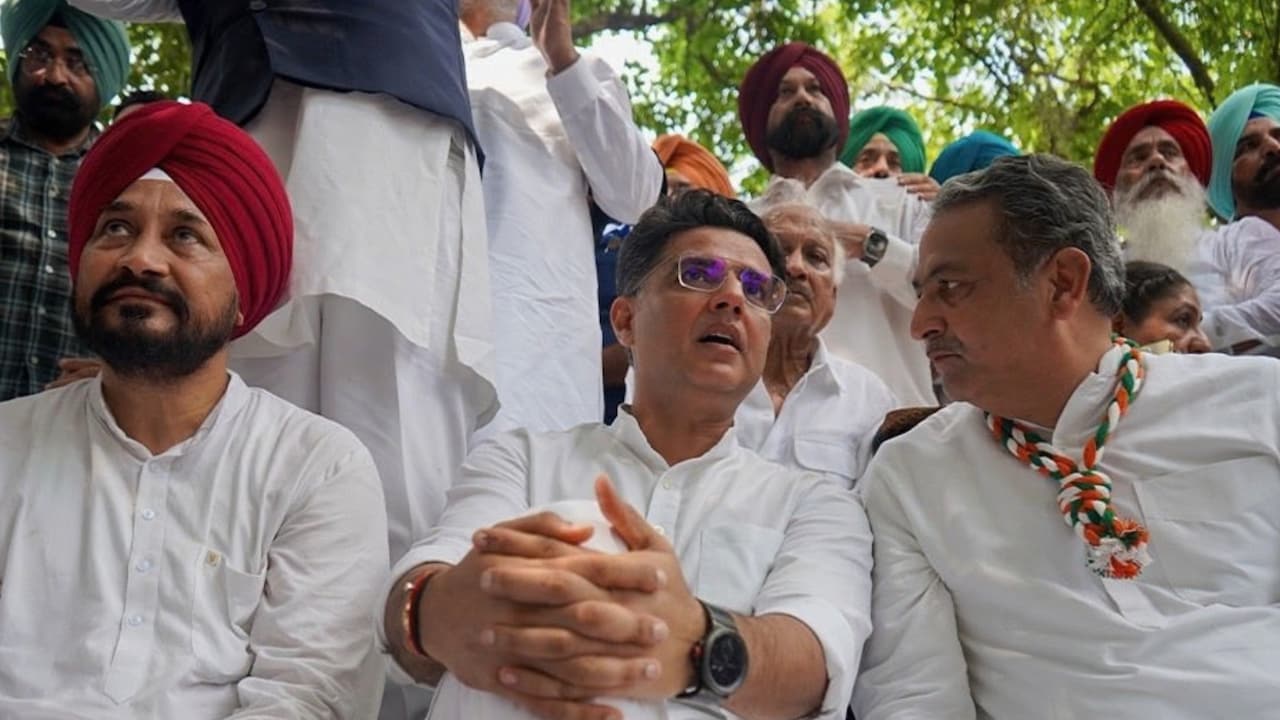
Vijay Inder Singla is among the top contenders being considered for the PPCC presidency. A former Sangrur MP and Punjab Cabinet minister, he currently heads the Congress's Election Management and Coordination Committee in the state.
As a Hindu leader from Malwa, Singla offers Congress a different social and regional balance at a time when several prominent Sikh leaders occupy key positions.
Hindu voters are significant, especially in urban and semi-urban Punjab, but they cannot be treated as a single vote bank, particularly with the BJP also targeting this electorate.
Singla's organisational experience is a strength, but his 2022 assembly defeat from Sangrur remains part of the electoral assessment.
Pargat Singh
Pargat Singh offers a different profile. A former captain of the Indian hockey team, Olympian and former Punjab minister, he has won the Jalandhar Cantonment assembly constituency three consecutive times - in 2012, 2017 and 2022.
His 2022 victory is politically relevant because it came during an election in which AAP won 92 of Punjab's 117 Assembly seats.
Pargat has also served as PPCC general secretary, organisation, giving him experience of the party machinery.
His profile combines electoral continuity with organisational experience.
The question for the Congress will be how effectively he could manage a statewide organisation containing several former Chief Ministers, MPs, senior MLAs and established regional leaders.
Gurjeet Singh Aujla
Amritsar MP Gurjeet Singh Aujla is also being discussed as a possible contender. His strongest credential is repeated electoral successes. He first entered the Lok Sabha through the 2017 Amritsar by-election and retained the seat in 2019 and again in 2024.
In 2019, he defeated Union minister Hardeep Singh Puri, while in 2024 he defeated AAP's Kuldeep Singh Dhaliwal; BJP's Taranjit Singh Sandhu finished third.
Aujla's case also carries symbolic weight because Amritsar is widely seen as a politically important Panthic seat, being home to Sri Harmandir Sahib.
At the same time, the constituency combines five urban assembly segments with rural and border areas such as Ajnala, Raja Sansi, Majitha and Attari.
His electoral record is established, but the larger question is whether success in one parliamentary constituency can translate into managing Congress across all 117 assembly seats.
Sukhjinder Singh Randhawa
Sukhjinder Singh Randhawa brings extensive government and organisational experience.
He has served as the Punjab deputy chief minister, represented Dera Baba Nanak in the assembly and is presently the Lok Sabha MP from Gurdaspur.
Randhawa also represents Majha, an important political region where Congress has traditionally maintained significant organisational presence.
His long experience means he knows both the administrative system and the internal workings of the Congress.
At the same time, Randhawa has been involved in recent internal discussions about the direction of the Punjab unit. The Congress would therefore have to consider whether such an appointment will be viewed across all factions as an organisational settlement or as a shift in the internal balance of power.
Sukhbinder Singh Sarkaria
Former Punjab minister and Raja Sansi MLA Sukhbinder Singh Sarkaria is reportedly another name appearing in the probable list. Sarkaria is an experienced Congress politician from Majha and has previously served as PPCC vice-president.
Unlike some of the more nationally visible contenders, Sarkaria's political profile is more closely associated with the state organisation and constituency politics.
That could give the Congress a different option: Instead of appointing one of the most prominent competing power centres, it could choose an experienced organisational leader whose elevation would create a different internal equation.
Partap Singh Bajwa
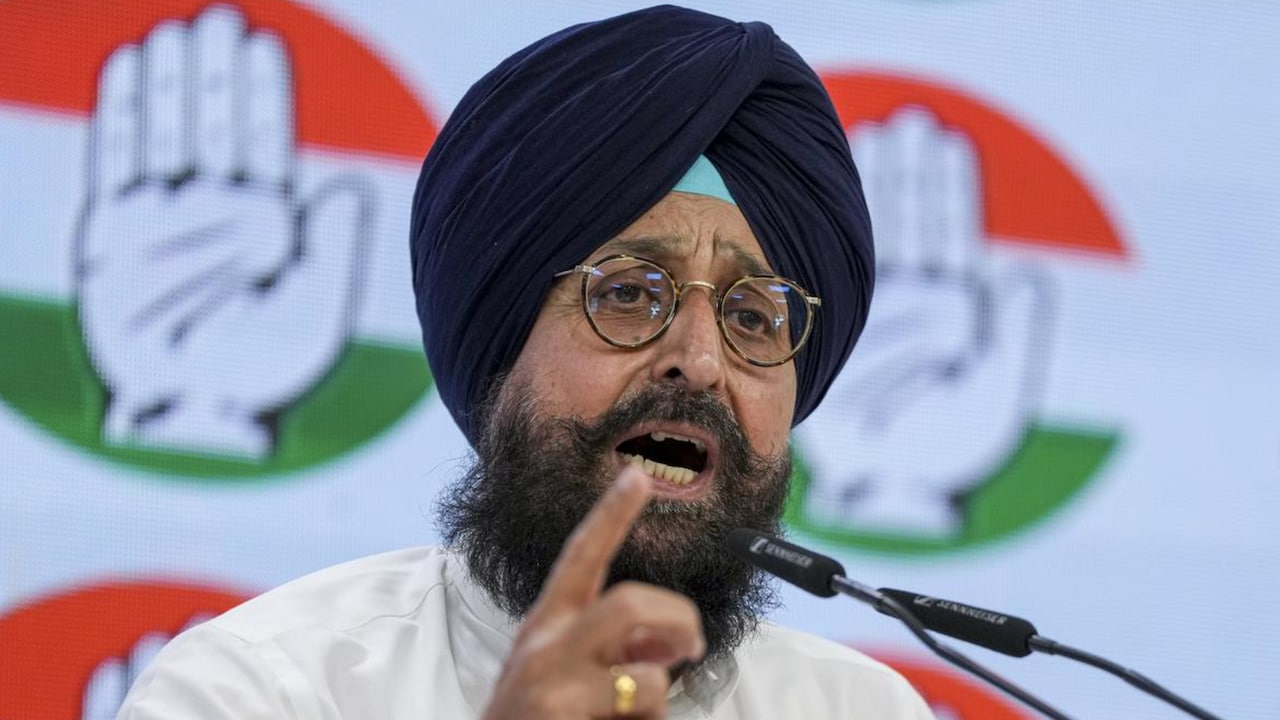
Photo Credit: PTI
Partap Singh Bajwa brings one advantage few contenders have: He has already served as the PPCC president, from 2013 to 2015.
His tenure included the 2014 Lok Sabha election, when the Congress won three of Punjab's 13 seats amid the BJP's national surge and
AAP's sudden rise in Punjab.
Bajwa himself lost Gurdaspur to Vinod Khanna by about 1.36 lakh votes.
His position today is different. As the Leader of Opposition, he has remained one of Congress's principal voices against the AAP government and carries extensive organisational experience.
If considered again, the Congress would be weighing his prior PPCC experience, legislative authority and seniority against the record of his earlier tenure. Another question would be whether the party would want one leader to hold both the PPCC presidency and Legislature Party leadership.
Charanjit Singh Channi
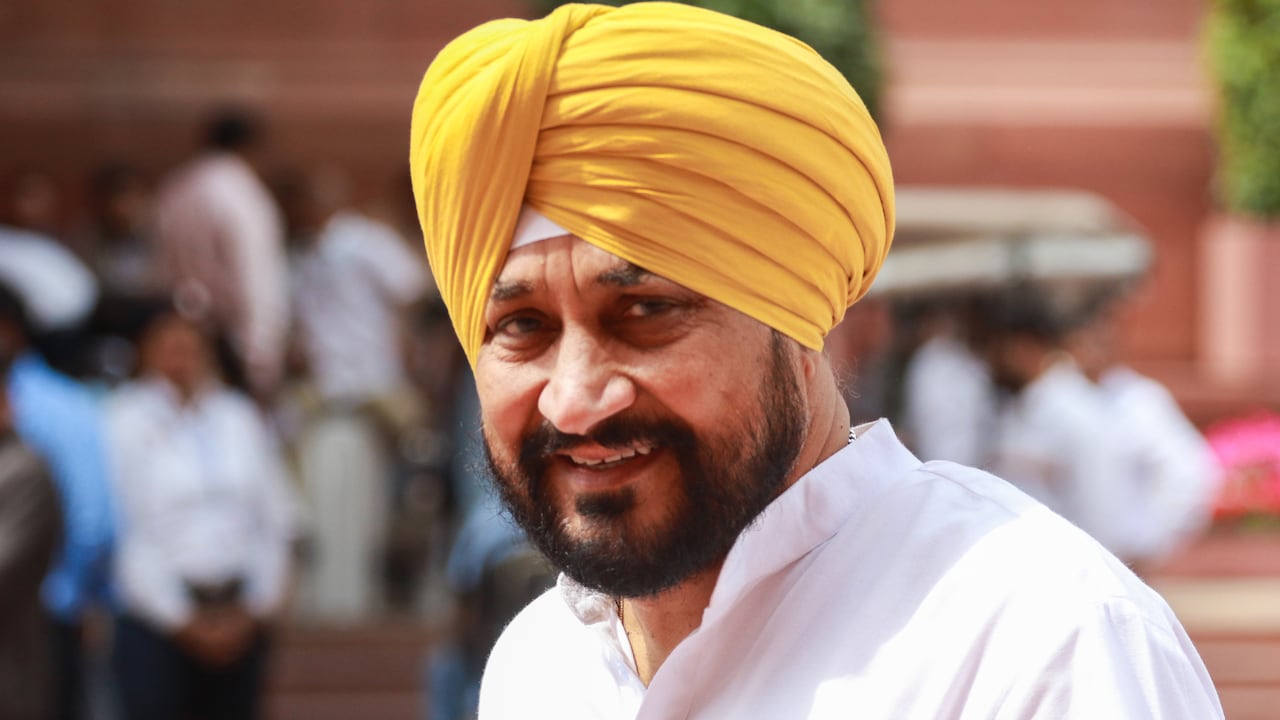
Photo Credit: IANS
Charanjit Singh Channi remains central to the Punjab Congress equation even if someone else becomes PPCC president. A former chief minister and current Jalandhar MP, he now heads the party's Campaign Committee for 2027.
Earlier consultations reportedly showed significant support for him among sections of the state leadership, and his supporters later questioned Raja Warring's continuation.
Channi's importance is also linked to Punjab's large Scheduled Caste population, which is close to one-third of the state.
But Congress has already given him a major campaign role.
Making him PPCC president as well would concentrate two important responsibilities in one leader, while keeping the posts separate would allow the high command to balance different social, regional and factional interests.
The Social Equation
The PPCC decision cannot be separated from Punjab's social composition. Punjab politics cuts across Sikh-Hindu, Jat Sikh-Dalit, rural-urban and regional divisions.
A substantial Hindu population is concentrated particularly in urban centres and parts of Doaba and Majha.
Scheduled Castes account for roughly one-third of Punjab's population. Jat Sikhs, despite being a smaller proportion numerically, have historically exercised considerable influence in agriculture and electoral politics.
But these categories should not be treated as fixed vote banks.
A Hindu voter does not automatically vote for a Hindu candidate. A Sikh voter does not automatically vote for a Sikh-led party. Dalit voters themselves consist of several communities with different religious, regional and political preferences.
Congress's problem is therefore not simply to find a leader belonging to one community. It has to construct a leadership combination capable of communicating across these groups.
The Bigger Question
The PPCC debate is ultimately less about one name and more about the architecture of Punjab Congress before 2027. The Congress leadership therefore faces two separate tasks. The first is choosing who heads the PPCC.
The second and possibly more complicated is deciding how all the other senior leaders are accommodated after that decision.
KioskNews shows a cleaned-up reading view extracted from the publisher’s page — the original always lives on their site, not ours.