ANALYTICAL ENGLISH 解析英語(常春藤)
Espresso vs regular coffee: A world of difference in a single cup (2/2) 同是咖啡,不同風味!一杯之間的濃淡之爭(下)
Continued from yesterday(延續自昨日)
https://www.taipeitimes.com/News/lang
Like espresso, regular coffee is consumed worldwide and plays an important role in many people’s daily routines. Millions of people rely on it for the energy they need to start their day or get through a tiring task. Coffee is typically served in larger portions than espresso, usually around 220 to 250 milliliters, and is often consumed with milk and sugar. However, the differences between the two do not stop there.
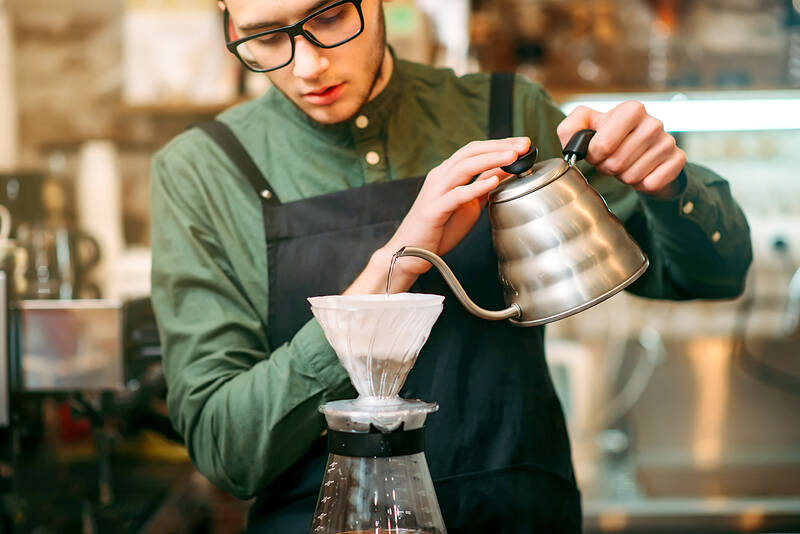
Photo: AdobeStock I 照片:AdobeStock
While espresso often uses a dark roast, regular coffee can range from light to medium or dark roasts. Also, because of the brewing method, regular coffee doesn’t have crema. Rather than forcing water through finely ground beans under high pressure, it uses a coarser grind and employs the pour-over or drip method. Both methods require about four to five minutes to allow for gradual extraction. This helps bring out the beans’ natural acidity and floral notes.
Pour-over coffee requires a paper filter and a dripper. Depending on how strong you want it, add one to two tablespoons of ground coffee per 200 milliliters of water. Begin by pouring hot water over the grounds in a slow, circular motion, starting from the center. Drip coffee is even simpler, relying on a machine to automate the brew. Either way, you will quickly taste the distinct characteristic that separates regular coffee from espresso.
和濃縮咖啡一樣,一般咖啡在全球廣泛被飲用,並在許多人的日常習慣中扮演重要角色。數百萬人仰賴咖啡來獲得開始一天或撐過疲憊工作所需的能量。一般咖啡的分量通常比濃縮咖啡大,約為兩百二十到兩百五十毫升,且常會加入牛奶和糖飲用。然而,兩者之間的差異並不止於此。
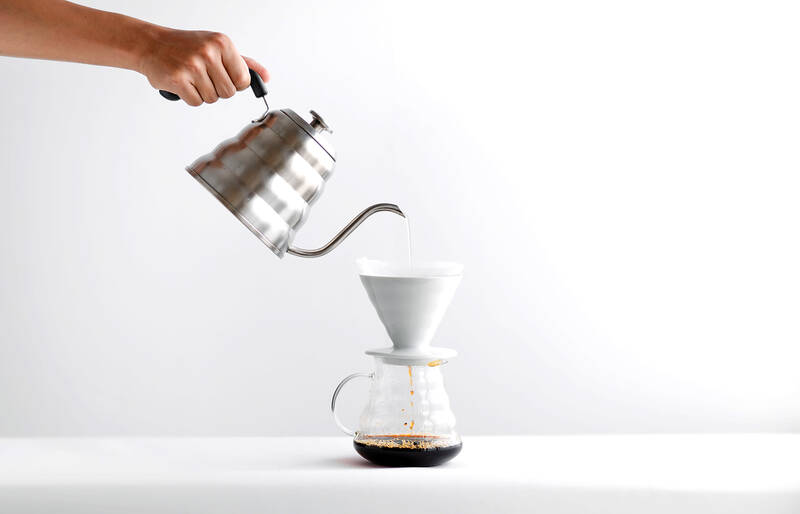
Photo: AdobeStock I 照片:AdobeStock
雖然濃縮咖啡通常使用深焙咖啡豆,但一般咖啡的烘焙程度可以從淺焙到中焙或深焙不等。此外,由於沖煮方式不同,一般咖啡並沒有咖啡脂。它不是在高壓下強行將水沖過磨成細粉的咖啡豆,而是使用較粗的研磨粉,並採用手沖或滴濾的方式。這兩種方法大約需要花四到五分鐘來讓咖啡逐漸萃取。這樣的過程有助於帶出咖啡豆天然的酸質與花香風味。
手沖咖啡需要使用濾紙和濾杯。依照你想要的濃度,每兩百毫升的水可加入一到兩湯匙的咖啡粉。先從中心開始,以緩慢的畫圓方式將熱水倒在咖啡粉上。滴濾咖啡則更簡單,透過機器自動沖煮咖啡。不論採用哪種方式,你很快就能品嚐出讓一般咖啡有別於濃縮咖啡的獨特特徵。
What Did You Learn?
1. Which of the following is true about the difference between espresso and regular coffee?
(A) Espresso uses darker beans, while regular coffee uses lighter roasts.
(B) Espresso relies on machines for speed, while regular coffee is made by hand.
(C) Espresso is served in larger amounts, while regular coffee is usually mixed with milk.
(D) Espresso is brewed under high pressure, while regular coffee is brewed more slowly over time.
2. According to the passage, who is MOST likely to enjoy a regular coffee instead of an espresso?
(A) Martha, who dislikes sour flavors in her drinks.
(B) Julie, who prefers drinks with a simple and familiar taste.
(C) Vincent, who finds bold and concentrated flavors too intense.
(D) Andy, who needs a quick drink before rushing to his next meeting.
答案:1. D 2. C
Words in Use
1. consume vt. 喝;吃
Gary usually consumes a cup of black coffee before starting work.
蓋瑞通常在開始工作前會喝一杯黑咖啡。
2. worldwide adv. 在世界各地
The news quickly spread worldwide through social media platforms.
這則消息透過社群媒體平臺迅速傳遍全球。
3. routine n. 日常工作,例行公事
Carmen follows a simple morning routine that helps her stay organized.
卡門遵循著有助於讓她保持井然有序的簡單早晨習慣。
4. coarse a. 粗糙的
The salt has a coarse texture, which makes it suitable for certain dishes.
這種鹽質地粗糙,適合用於某些料理。
5. drip n. 滴落;滴液
Many people prefer the drip method because it is simple and reliable.
許多人偏好滴漏法,因為它簡單又可靠。
Practical Phrases
1. do not stop / end there 不止於此
The problem does not stop there, since it affects other areas as well.
問題不止於此,因為還會影響其他層面。
2. range from A to B 範圍從 A 到 B 都有
Skills range from simple tasks to advanced techniques in this course.
這門課的技能從簡單任務到進階技巧都有。
3. allow for. . . 使……成為可能
The new system allows for faster communication between team members.
這個新系統讓團隊成員之間溝通可以更快速。
4. bring out. . . 帶出……,使……顯現出來
The spices bring out the flavor of the dish.
香料能帶出這道菜的風味。
5. depending on. . . 取決於……
Depending on how many times the tasks are done, the outcomes may differ slightly.
KioskNews shows a cleaned-up reading view extracted from the publisher’s page — the original always lives on their site, not ours.