‘Open, close, reopen’: return of choking haze traps Malaysian schools in limbo
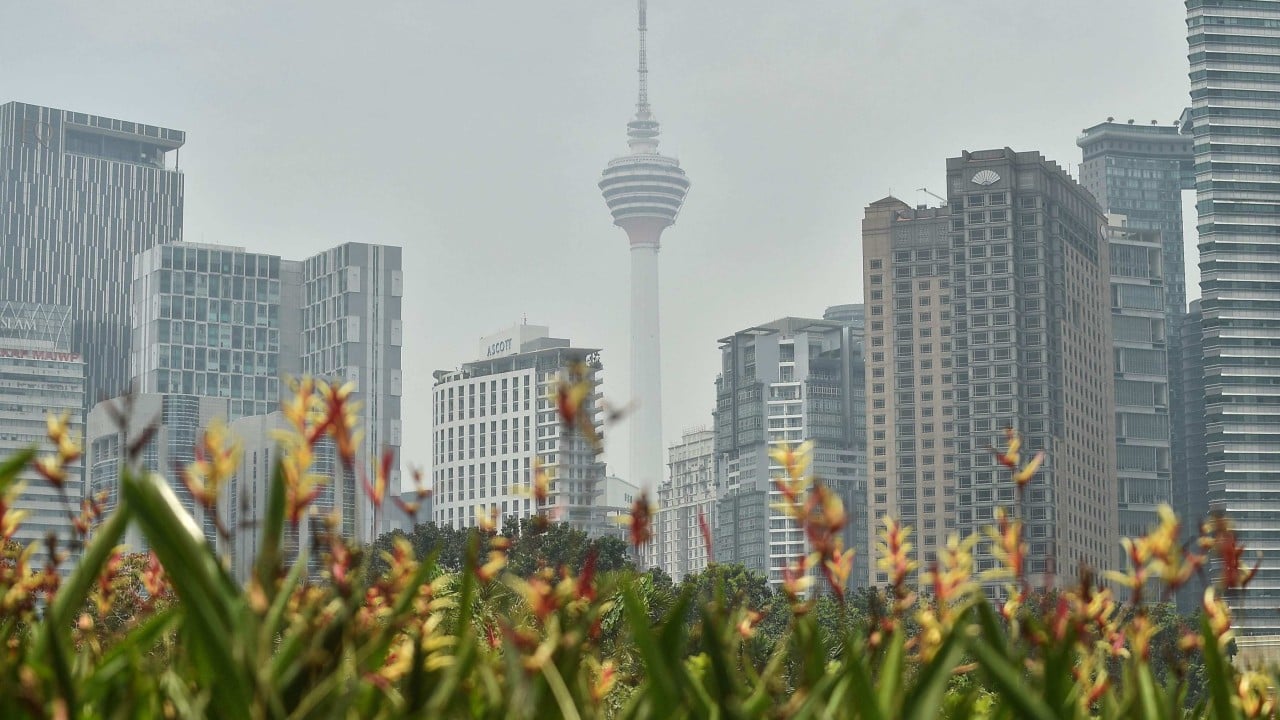
Malaysia’s haze crisis has flared again just weeks after emergency measures and cloud-seeding operations brought temporary relief, with experts warning that smoke from Indonesian fires could continue drifting across the country until monsoon winds change.
All 108 schools in Serian, a district in the state of Sarawak on Malaysian Borneo, were ordered to close on Thursday after the air pollutant index (API) breached 200 on Wednesday night, forcing pupils back to home-based learning.
By noon, Serian’s API reading was still at 211, making it the only location nationwide in the “very unhealthy” category, while nine other stations across Sarawak recorded unhealthy air. Malaysia classifies API readings above 300 as hazardous.
Serian’s schools have been stuck in a stop-start cycle since mid-August, shutting when pollution worsens and reopening when air quality improves. The disruption peaked on September 4 when the API hit 518, causing the King to approve a state of emergency for the district.
KioskNews shows a cleaned-up reading view extracted from the publisher’s page — the original always lives on their site, not ours.