2030 is coming: are our graduates ready? — Siti Noorjannah Abd Halim
OCTOBER 1 — Imagine a Malaysian graduate walking into an interview in 2030.
The interviewer does not begin by asking, “What is your CGPA?” Instead, the questions are different.
“Can you work effectively with artificial intelligence?” “How quickly can you learn a new skill?”
“Tell us about a real problem you have solved.” “How would you respond if the technology you are using today becomes obsolete tomorrow?” And perhaps the most important question:
“What value can you bring to an organisation?” This is the future that Malaysian higher education must begin preparing for today.
The conversation about graduate employability has often focused on one question: Do graduates get jobs? But as we move towards 2030, this question may no longer be sufficient. The real question should be: Are our graduates prepared to remain employable in a workplace that is changing faster than ever before?
The graduate employment picture is improving, but the story is more complicated. From job-ready to career-ready:
A job-ready graduate possesses the knowledge and skills necessary to enter a particular position. However, a career-ready graduate possesses something more powerful: the capacity to learn, adapt, solve problems, work with others and continuously develop as the world of work changes. This distinction matters because the job a student prepares for today may look very different by 2030.
Artificial intelligence, automation, digitalisation and changing business models are already transforming how organisations operate. The World Economic Forum’s Future of Jobs Report 2025 identifies technological literacy, AI and big data, creative thinking, resilience, flexibility, agility, curiosity and lifelong learning among the skills expected to become increasingly important towards 2030.
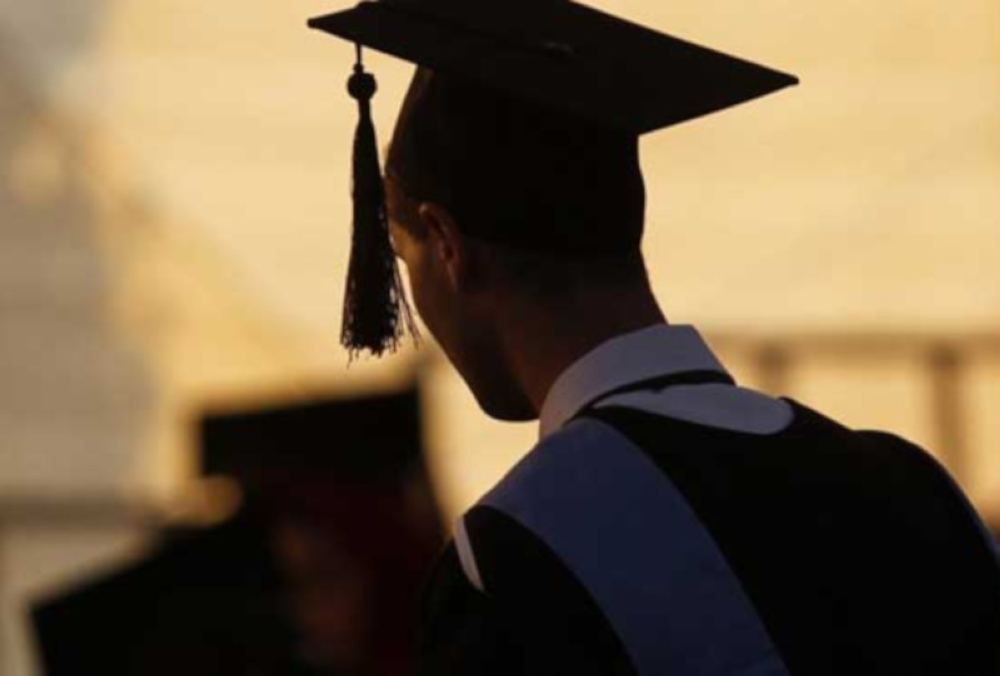
A degree may open the first door, but adaptability, problem-solving, ethical judgement and continuous learning will shape how graduates build resilient careers in 2030. ― AFP file pic
The future graduate needs both technological capability and human capability. Perhaps the more useful question is whether graduates who know how to work effectively with AI will have an advantage over those who do not. Furthermore, AI can generate text, analyse information, produce presentations, support decision-making and automate many routine activities.
The classroom should become a rehearsal for the workplace: Graduate employability should begin long before the final semester.
Imagine a four-year employability journey.
Year 1: Know yourself
Students develop self-awareness, communication and professional identity.
Year 2: Work with others
Students develop teamwork, problem-solving and interpersonal skills.
Year 3: Experience the workplace
Students engage with employers, industry projects, internships and real organisational challenges.
Final year: Demonstrate your value
Students build portfolios, solve authentic problems, practise recruitment processes and develop career strategies.
Then comes graduation.
But learning does not stop there.
Thus, a degree may open the first door, but adaptability, learning agility, human skills and ethical judgement will determine how graduates navigate the many doors that follow. If universities, employers and students work together today, graduate employability in 2030 can become more than a measure of employment — it can become a measure of our graduates’ capacity to build sustainable, meaningful and resilient careers.
* Dr Siti Noorjannah Abd Halim is a senior lecturer in the Human Resource Management Program at the School of Business Management, College of Business, Universiti Utara Malaysia (UUM).
** This is the personal opinion of the writers or publication and does not necessarily represent the views of Malay Mail.
KioskNews shows a cleaned-up reading view extracted from the publisher’s page — the original always lives on their site, not ours.