Why a film about a dictator has South Korea at war with itself
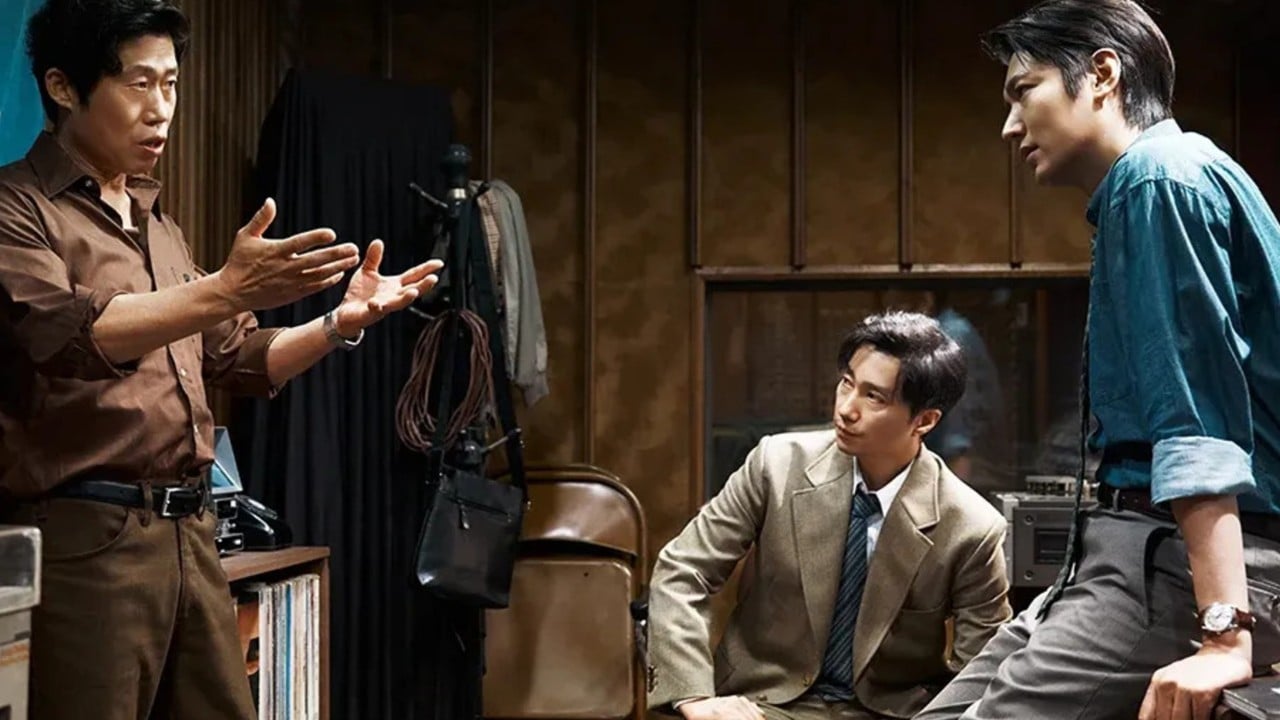
Like many films released during Chuseok, South Korea’s national mid-autumn harvest festival, The Assassin(s) shot right to the top, selling more than a million tickets in its first four days.
But the box-office success of the film about the 1974 assassination attempt on former president and military leader Park Chung-hee was quickly overshadowed by calls to halt screenings, as well as a police complaint against the film’s director and producers.
Park loyalists and conservative politicians are claiming the film, directed by acclaimed filmmaker Hur Jin-ho, distorts history and defames Park and his administration.
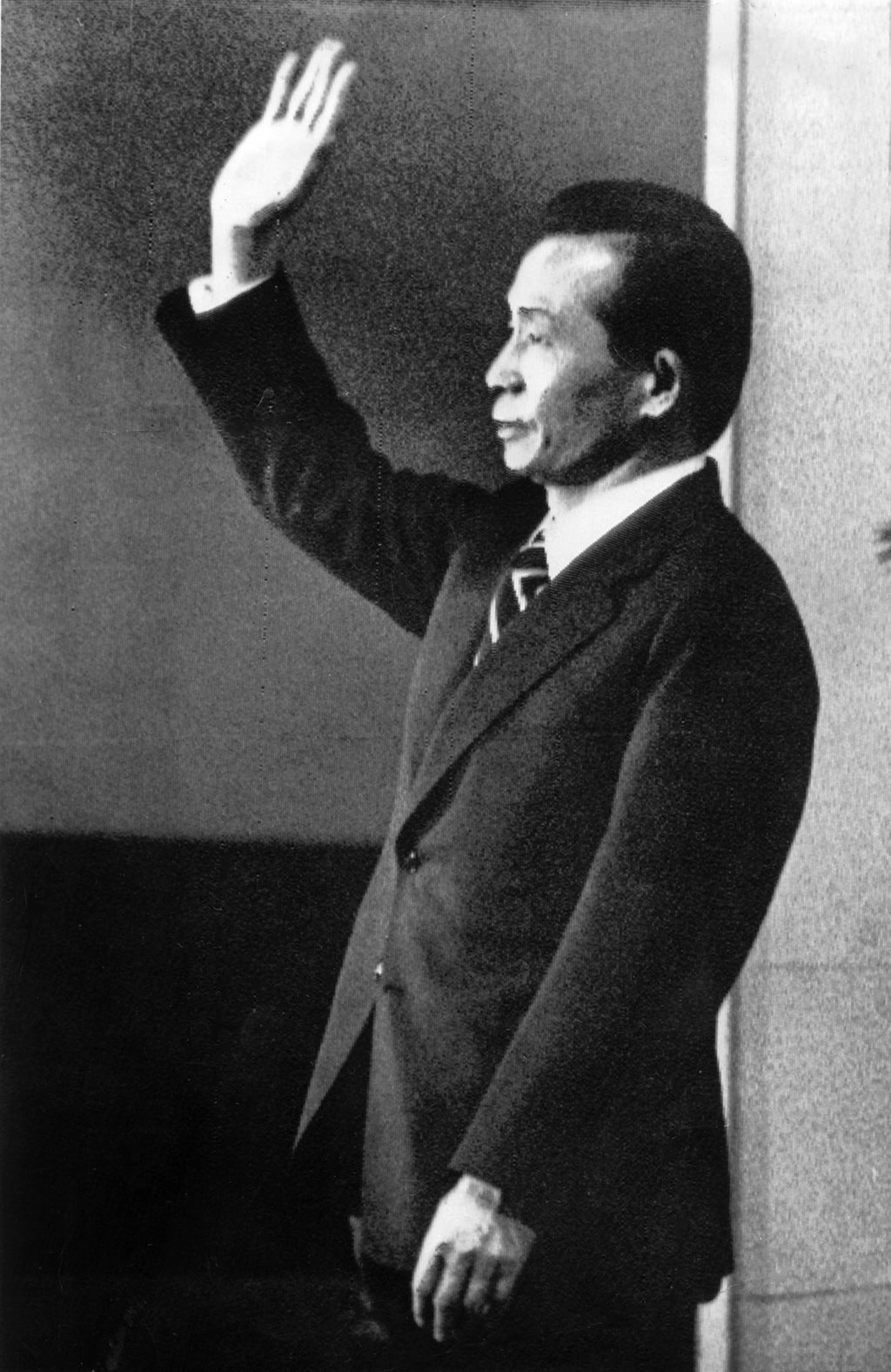
Park, who came to power after a 1961 military coup, remains one of the most divisive figures in South Korean history. His authoritarian rule coincided with one of the world’s fastest periods of industrialisation, but his government was also marked by political repression and restrictions on civil liberties.
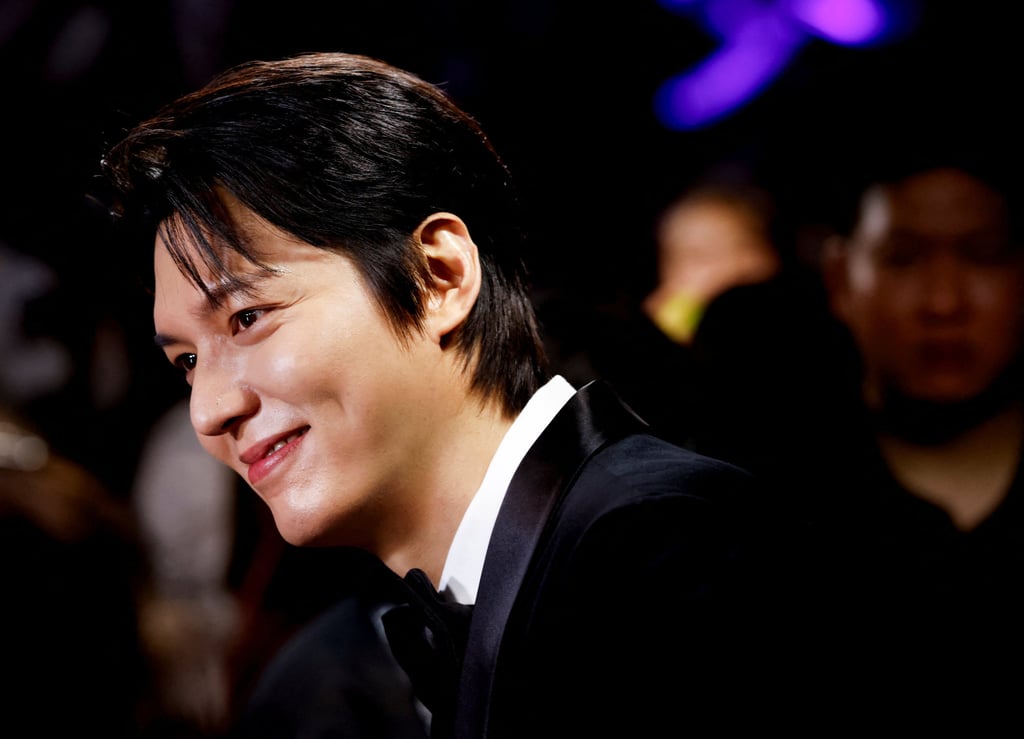
As the controversy spills beyond the cinema, several actors cancelled audience greetings. Global star Lee Min-ho, who plays a freedom-fighting journalist, abruptly called off a public appearance at next week’s Busan International Film Festival. Actors have faced a wave of online abuse, while calls to boycott the film and products advertised by its cast have circulated on social media.
The backlash has reignited a much older argument over how South Korea should remember the Park era, and whether unresolved political divisions are shaping how the public interprets its history.
Choosing a side
Sam Park is among those who have decided not to watch the film.
“People are pointing out that there are similarities between the film and North Korean propaganda films,” the 30-year-old brand designer said. The film’s cast and crew have been labelled “communists” and “North Korean sympathisers”, a common accusation directed at liberals by South Korea’s political right.
“Above all, this is a tragedy from relatively recent history, with surviving family members who are still alive today. The filmmakers should have been even more careful to distinguish between historical fact and creative interpretation, even while exercising their freedom of expression.”
The Assassin(s) centres on the incident during a ceremony marking the anniversary of Korea’s liberation from Japanese rule. Mun Se-gwang, a Zainichi Korean living in Japan who was identified as a North Korean sympathiser, attempted to shoot Park but missed, killing then first lady Yuk Young-soo instead.
While the film does not identify accomplices, it raises the possibility that people within the presidential office or intelligence authorities may have been involved.
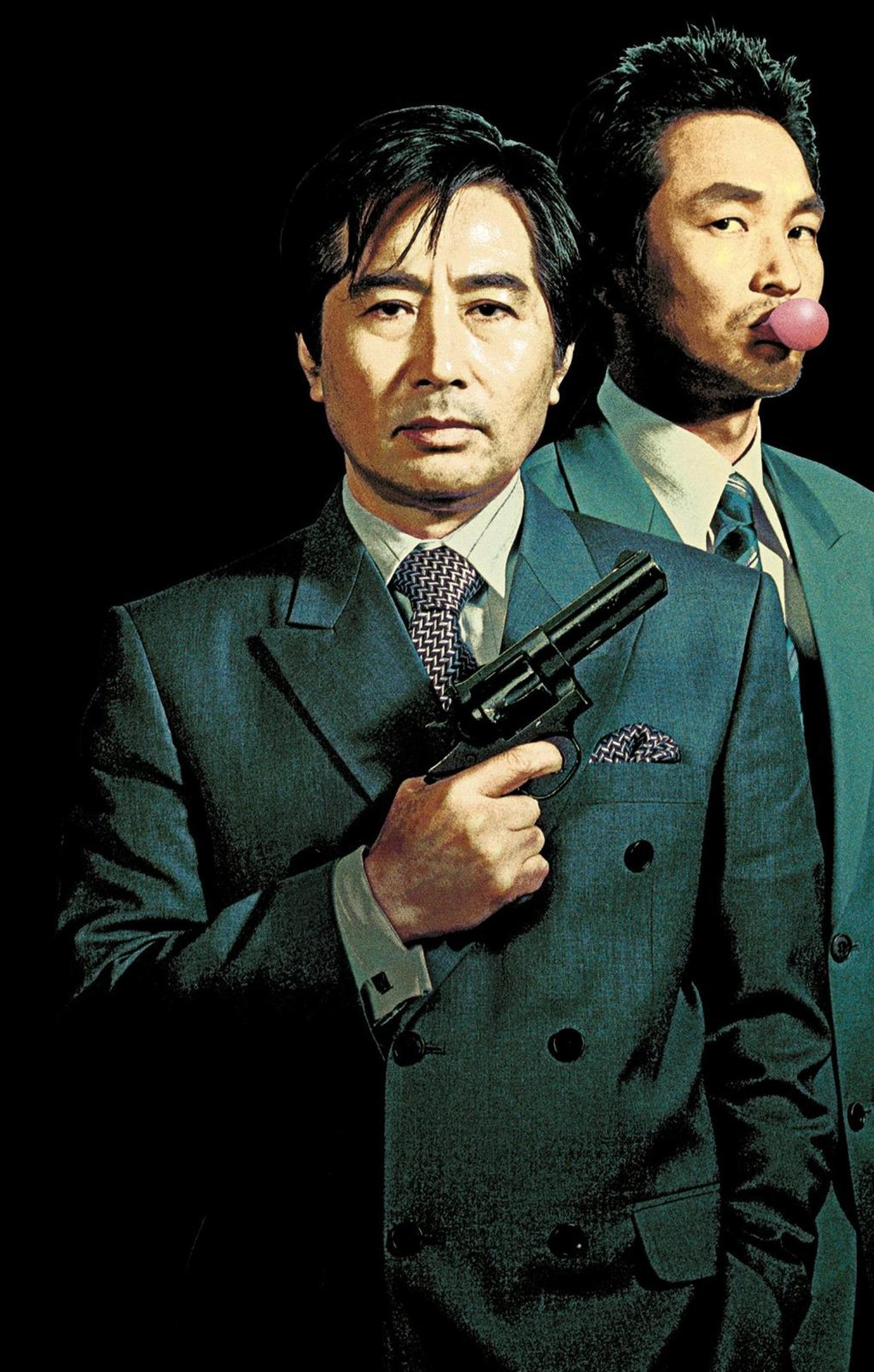
Park’s son, Park Ji-man, asked the President Park Chung Hee Memorial Foundation to demand that screenings be halted – as he did in 2005 over The President’s Last Bang, which depicted the night of Park’s assassination in 1979. The foundation issued a joint statement on Thursday calling for the film’s production company to formally apologise and take down the movie from theatres.
A former People Power Party city councillor on Tuesday filed a police complaint against Hur and the film’s producers, accusing them of defamation and spreading false information by implying that Park was involved in his wife’s assassination.
For Ellie Chung, who recently watched The Assassin(s), the controversy has brought renewed attention to an event she knew little about.
“I expected there to be controversy because the film deals with the authoritarian regime and the era of Park Chung-hee,” she said. “But the film is being used for political purposes due to its historical context, and I think it has gone too far.”
The production team denied having political intentions, saying the film used cinematic imagination rather than attempting to “prove a new historical conclusion”.
South Korean courts have previously grappled with similar disputes over films based on true stories.
In relation to the 2003 film Silmido, about a team recruited to take out North Korean assassins, relatives of those portrayed as criminals sought to halt screenings, but the court upheld the filmmakers’ freedom of expression. The President’s Last Bang was also given the go-ahead but with three scenes using documentary footage removed.
Unresolved history
The controversy is ultimately about how South Koreans interpret their past, according to Park Jong-rim, a professor of history education at Hannam University.
“It’s not really about facts, but the difference in interpreting the events that took place. This is the nature of looking at history,” he said. “When you look deeper into the different voices reacting to the movie, it’s really about how people have not come to a consensus on the legacy of the Park Chung-hee administration.”
Lee Taek-gwang, a philosophy and cultural studies professor at Kyung Hee University, said the dispute was rooted in South Korea’s democratisation struggle in the 1980s.
“Ultimately, this issue is connected to the forces that emerged in the 1980s – the democratisation movement that opposed military dictatorship and sought to establish a new political order and the authoritarian regimes of the earlier period that brought on a generation of economic development,” he said.
Films such as The Man Standing Next, another dramatisation of Park’s assassination, and 12.12: The Day have sought to reinterpret modern Korean history, Lee said, contrasting with efforts, particularly from conservatives, to normalise Park’s legacy.
The use of popular culture to establish a political identity and world view was a distinctive feature of South Korean society, which went through several periods of civil democratic movements, he added.
“South Korea is still a country where these historical arguments remain unresolved,” Lee said. “A decade ago, people assumed neoliberal forces would simply continue to dominate influence, but we are now seeing the rise of far-right movements.”
The film’s critics, however, say their objections are not simply political.
Park Hye-eun, chief editor of The Screen movie media publication, said audiences had every right to criticise a film they found inaccurate or objectionable.
“What concerns me is that the head of a major political party singled out a particular film and called on people not to watch it, while also filing criminal complaints against the filmmakers and bringing the film into the political arena,” she said.
“That seems less like the exercise of an audience member’s right to criticise and more like political power intervening in the cultural sphere.”
Park said the controversy had ultimately led her to view the film through a different lens.
“The film is actually trying to say that we should live in a society where anyone can ask questions and anyone can try to provide answers to those questions,” she said.
“Perhaps the film is ultimately asking what a mature society should look like. Maybe it’s a society where anyone is free to ask questions, and where people are mature enough to listen to and consider the answers.”
KioskNews shows a cleaned-up reading view extracted from the publisher’s page — the original always lives on their site, not ours.