The Curator: *Spooky* home smells & how to fix them
The Curator independently decides what topics and products we feature. When you purchase an item through our links, we may earn a commission. Promotions and products are subject to availability and retailer terms.

In Canada, every October means Thanksgiving, pumpkins, and the annual closing of the windows, the annual cranking of the heat, and all the smells that we could previously waft outside are now staunchly inside with nowhere to hide. That means mystery, funky smells can start to emerge, and it starts to get a little…spooky. Right in time for Halloween, of course!
And with spooky smells, you can’t just cover them up. These freaky odours can’t be overcome by a vanilla cookie candle or spring mist room spray. The real fix is to find the source and deal with it. Here are five seasonal smells that haunt our homes this time of year, what’s causing each one, and how to get rid of it (dare I say…exercise it?!) for good. Let’s go through these horrors one by one.
Story continues below advertisement
The Thing in the Walls: Mice
When the temperature drops, mice start looking for somewhere warm to snuggle into, and a gap the size of a dime is all they need. The first sign of a settler – besides the scratching sound – is usually the smell: sharp, stale, and ammonia-like, and it hangs around long after the mice are gone. Mouse urine contains urea, which bacteria break down into ammonia, and the musky “mousy” smell comes from a compound that releases slowly over time, which is why it never seems to leave. No one wants that.

Start with a safe cleanup: don’t sweep or vacuum droppings, because that sends particles into the air which you don’t want to inhale. Put on gloves, spray the area with a household disinfectant or 1 part bleach to 9 parts water, let it soak for 10 minutes, then wipe it up with paper towel.

Once the area is rinsed and dry, treat it with an enzyme-based odour and stain remover. (Never mix enzymes with bleach; the bleach kills them.)
Story continues below advertisement
The Swamp Beast: Wet Dog
Fall walks can leave a dog smelling like a pond by the time you get through the door. Woof! What makes up that wet dog smell? Yeast and bacteria live in its fur and constantly produce smelly compounds. When the fur gets wet, the water knocks those compounds loose and sends them into the air, and the longer your dog stays damp, the longer your couch smells like it (eww!). The fix is to dry the pup fast and fully, right at the door.

The Soggy Doggy Super Shammy is a microfibre chenille towel with hand pockets on both ends that pull water out of the coat much faster than a regular bath towel. Keep it right at the door for after walks, and give your dog a good wipe-down. You can use a separate old towel to clean and wipe their paws down, too. Wash it on its own and skip the fabric softener so it stays absorbent.
The Undead Activewear
You know the leggings. They come out of the wash smelling clean, and the second you sweat, the stink comes back from the dead. That’s called odour rebloom. Odour-causing bacteria grow better on polyester than on cotton, and synthetic fabrics hold on to body oils that a regular wash doesn’t always remove. Your body heat wakes up whatever was left behind. First, don’t toss sweaty gear straight into the hamper; let it air dry fully first.
Story continues below advertisement

Then use a detergent that’s focused on odour, like a powerful oxi-based detergent.. Skip fabric softener completely, because it can clog moisture-wicking fabrics and lock odour molecules in.
You may also like:
Bamboo Charcoal Bags Odour Absorber – $5.39
Waterless Nebulizing Essential Oil Diffuser – $99.95
Smart Car Air Freshener – $46.99

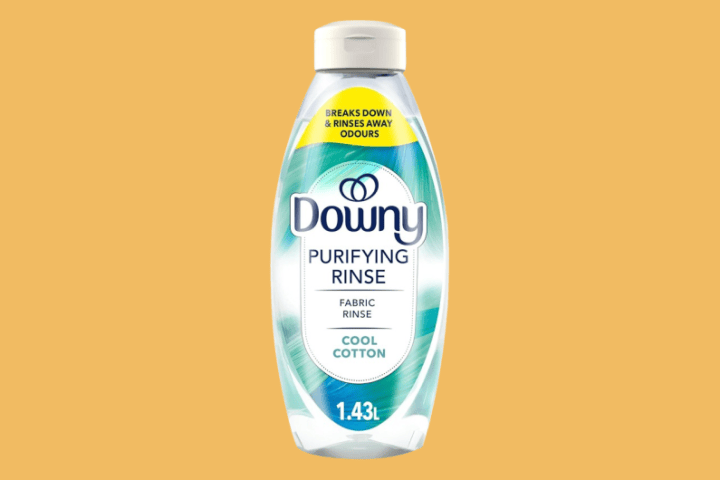
Instead, add fabric rinse to the fabric softener compartment. It’s not a softener; it’s a clarifying rinse that removes that extra buildup. Hang garments to dry. This will work for all your workout gear (whether you wear it to workout or lounge around the house).
Story continues below advertisement
The Phantom Faucet
You turn on the bathroom tap and get a whiff of something musty and damp or just…rotten. Gross! Often, it’s not the water. It’s the drain. Soap, toothpaste and hair build up a slimy layer called biofilm on the underside of the sink stopper, inside the drainpipe, and inside that little overflow hole near the top of the sink. Pull the stopper out and scrub it (brace yourself, as this part can be a Nightmare on Elm Street in and of itself), then clean the overflow with a slim bottle brush and hot soapy water.

To keep the biofilm and smell from coming back, use these simple Drain Cleaner & Deodorizer Sticks once a month. Pop one into the sink and just…walk away. I use these once a month in my kitchen and bathrooms. Love ‘em!
The Possessed Car
I always say the car is like a microcosm of the house, which means this is the time the car windows get rolled up, too. This seals in all the moisture, odours and guck that gets stuck in the car during the colder months. What’s in there? Wet boots, gym bags, hockey bags, half-eaten snacks, you know the deal. Moisture plus organic material, like sweat, crumbs, and mud, feeds odour-causing bacteria, and a closed cabin traps all of it. Yummy. Start by removing the source: take the floor mats out to dry, clear out the food and garbage, give the car a good vacuum, and stop storing gear in there (do your best here, gear can make a car so, so stinky).
Story continues below advertisement

Then absorb what’s left with an a Bio Absorbant Air Purifier with Activated Carbon. Activated carbon is full of tiny pores that trap odour molecules instead of covering them up. Tuck it somewhere secure where it won’t tip, like a cup holder or under a seat, and it works for up to six weeks.
You may also like:
Dreo Smart Humidifiers for Bedroom – $139.99
Microfiber Cleaning Cloth – $24.99
Scrub Daddy Self- Standing Soap Dispensing Dishwand – $19.19
KioskNews shows a cleaned-up reading view extracted from the publisher’s page — the original always lives on their site, not ours.