The pros and cons of wearing your Fitbit around your ankle
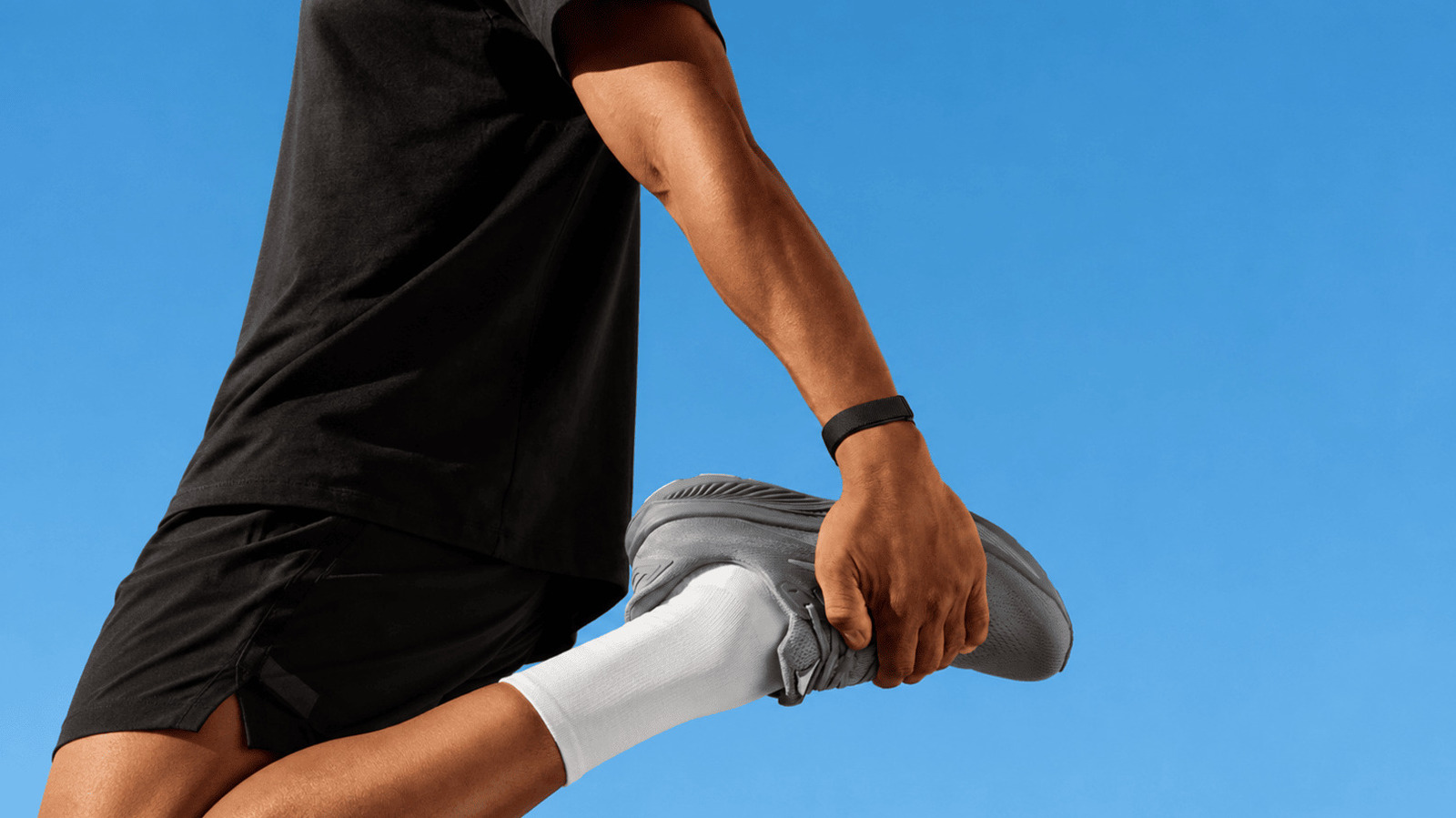
An ankle-worn Fitbit can catch steps your wrist misses, though some health metrics may suffer.
It's frustrating when you've finished your daily walk, but Fitbit didn't catch all the steps because it couldn't recognize them. Or when you've pushed a stroller, held the treadmill rails or worked at a walking desk, and discovered that limited arm movement makes your brisk walk look unimpressive in the app. Out of all the Fitbit hacks, tricks and tips out there, this basic problem has persisted for many users.
Some have found a way around this by wearing their Fitbit on their ankle. It may seem like a strange fix, but having the motion sensor closer to your feet can help. Fitbit devices measure more than just steps, but they depend on arm movement to gather data. While Google often assumes you're wearing the Fitbit on your wrist, activities with limited arm movement mean your health data may not be accurate.
Why wearing a Fitbit on your ankle can help
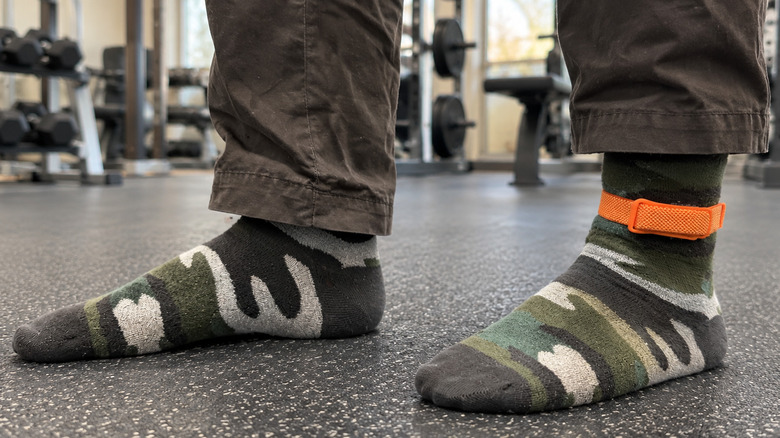
Husain Parvez for Engadget
Fitbit trackers use accelerometers to recognize movement patterns associated with walking, but a wrist-worn sensor can miss steps when your arms remain still. Google acknowledges that pushing a stroller or shopping cart can lead to missed steps. Walking pads create similar issues when you're typing at your desk rather than allowing your arms to swing. In these cases, an ankle-worn Fitbit measures leg movement directly. It also keeps your wrist free if you dislike wearing watches or if your workplace bans wrist-wear.
There's some evidence behind the idea. In a 2025 study, 11 healthy adults walked with a single-point cane or two-wheeled walker while wearing Fitbit Inspire 3 trackers on their wrists, hips and ankles. The hip and ankle placements had a combined average step-count error of 1.5 percent, while wrist readings were substantially less reliable. It's a significant difference, but keep in mind this small study involved assisted walking, not daily activities.
The concept isn't all that novel, either. The Moov Now supported ankle wear back in 2015 and was specifically designed for it, unlike current Fitbits.
What you give up by moving your Fitbit to your ankle
Wearing a Fitbit on your ankle doesn't automatically translate to what you're doing. In a test, a Fitbit Versa 4 logged 1,510 steps during a 30-minute stationary bike session when worn on the ankle, versus 180 when the same tracker was worn on the wrist. Pedaling an exercise bike isn't the same as steps, and you're likely more interested in monitoring heart-rate. Also, the tracker did fail to record sleep during a nighttime ankle test.
Speaking of heart-rate, Fitbit's optical sensors measure blood-volume changes through the skin to estimate your pulse, and Google recommends wearing the device snugly against your wrist. The company hasn't established comparable accuracy for ankle placement, where fit and sensor contact differ.
A recent experiment summed up the debate. The ankle-worn Fitbit Air picked up walking pad steps the wrist-worn Pixel Watch 4 missed while the reviewer was typing. Conversely, one walk produced a heart-rate peak of 182 beats per minute on the ankle-worn Fitbit, compared to 129 bpm maximum measured on the wrist. Four more walks failed to repeat the spike, so it's not conclusive proof ankle readings are always incorrect.
Finally, Fitbit looks fine on the ankle, but standard wristbands may be too short. Aftermarket ankle straps cost extra and a loose tracker can rub uncomfortably against socks or shoes. And of course, checking notifications is difficult. For those who want to keep their wrist free, the Fitbit Inspire 3 also has an official clothing clip option, but this mode does not include heart-rate tracking, Active Zone Minutes or automatic exercise tracking.
KioskNews shows a cleaned-up reading view extracted from the publisher’s page — the original always lives on their site, not ours.