10 Greatest Frankenstein Movies Of All Time, Ranked
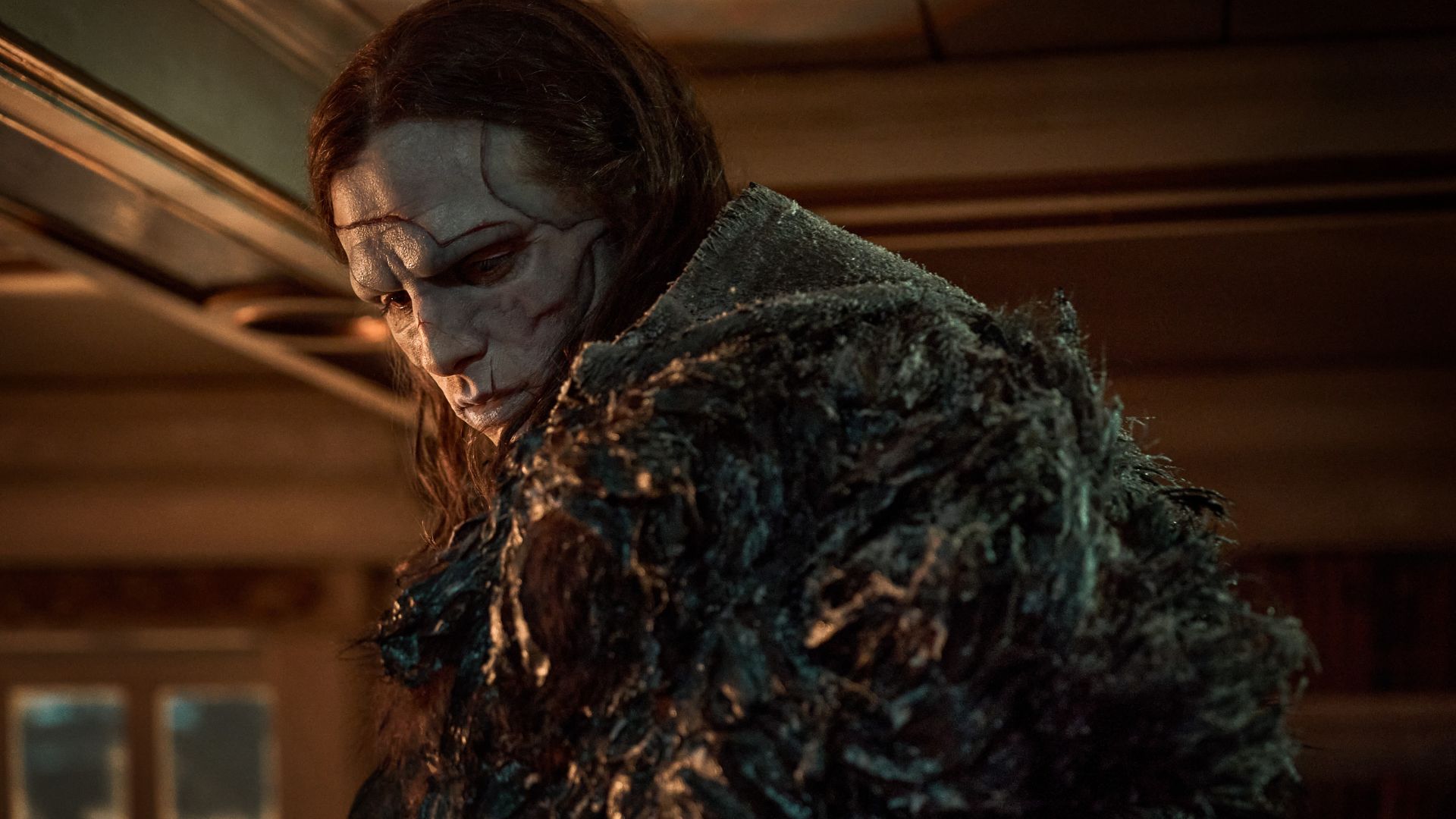
Few characters in horror history have proven as enduring as Frankenstein and his Monster. Since Mary Shelley published Frankenstein; or, The Modern Prometheus in 1818, filmmakers have returned to the story repeatedly, finding new ways to interpret Victor Frankenstein’s reckless ambition and the tragic creature he brings to life. It is one of cinema’s richest legacies, spanning Gothic horror, science fiction, comedy, exploitation cinema, and prestige literary adaptations.
Across nearly a century of filmmaking, countless actors have donned the bolts, scars, and stitched skin associated with the creature. The first Frankenstein adaptation was a 16-minute short film in 1910. Since then, Frankenstein’s Monster has appeared in nearly 500 movies, with 12 appearances in 2025 alone and many more already planned for the future.
The reason Frankenstein is particularly adaptable is how flexible its central themes are. Different narratives emphasize the horror of unnatural creation, while others focus on the loneliness of the monster or the arrogance of a scientist attempting to play God. The very best understand that the story is more than a monster rampaging through villages; it is a tragedy about rejection and the consequences of unchecked obsession.
Ranking Frankenstein movies is difficult because the character has inspired so many distinct interpretations. However, these films stand above the rest for their influence, craftsmanship, performances, and lasting impact on horror cinema.
Mary Shelley's Frankenstein (1994)

Kenneth Branagh's Mary Shelley's Frankenstein earns the tenth spot because it is one of the more ambitious attempts to bring the Frankenstein novel itself to the screen, even if its ambition occasionally overwhelms the finished movie. Branagh directs and stars as Victor, with Robert De Niro as the Creature and Helena Bonham Carter as Elizabeth.
Mary Shelley's Frankenstein deserves credit for taking Shelley's story seriously. The Creature is articulate and emotionally complex rather than simply a mute killing machine, while Victor's obsession with defeating death receives considerably more attention than it does in many Universal-inspired adaptations.
The problem is that Branagh's maximalist approach can make it feel excessively melodramatic. Its literary ambition and De Niro's Creature make it worthwhile, but Mary Shelley's Frankenstein lacks the formal control and cultural impact of the classics above it.
Abbott And Costello Meet Frankenstein (1948)
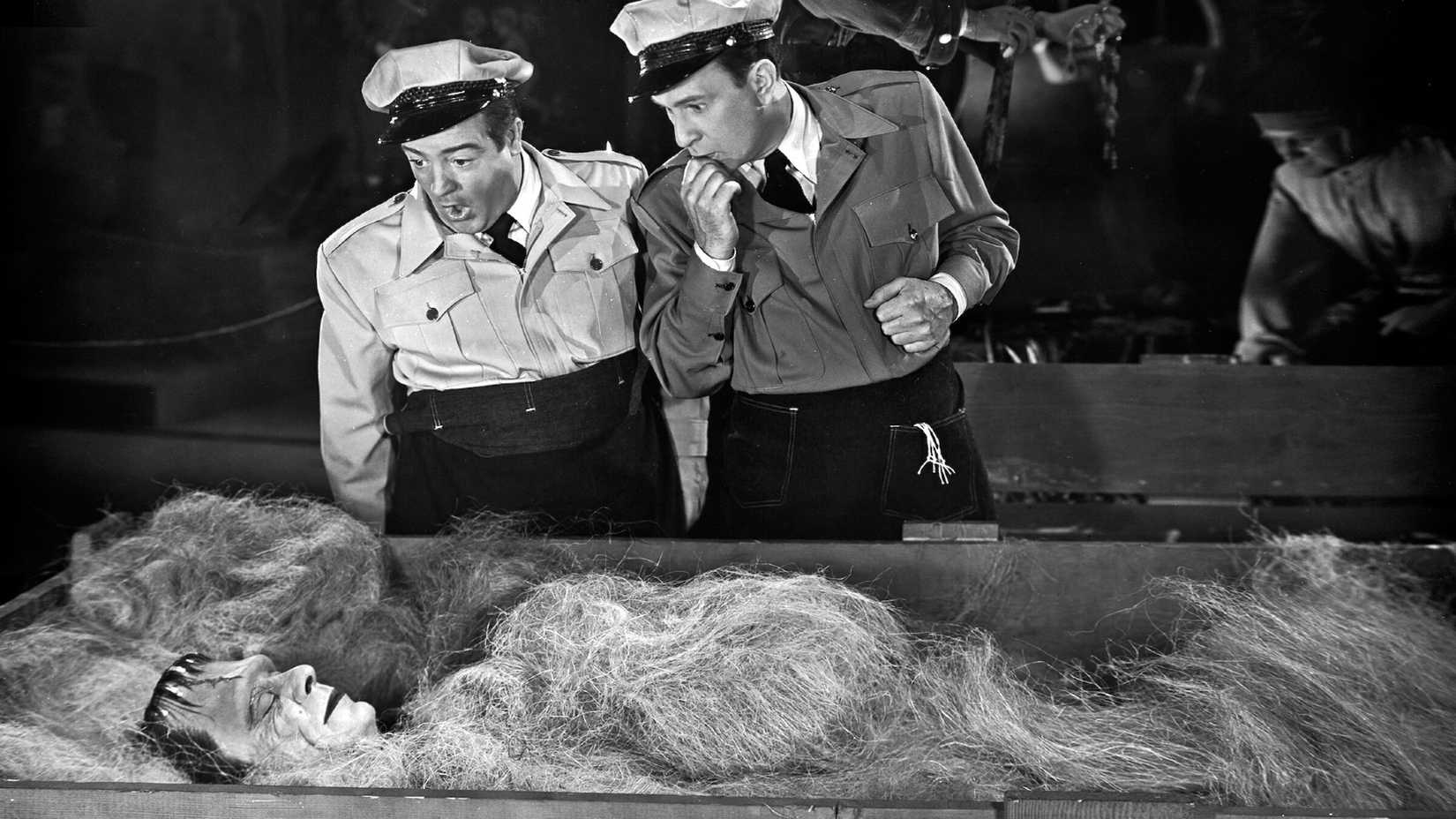
Abbott and Costello Meet Frankenstein is barely a conventional Frankenstein movie at all – and that is precisely why it works. Bud Abbott and Lou Costello play railway baggage handlers who become caught up with Dracula, the Wolf Man, and Frankenstein's monster. Crucially, Universal does not completely turn its monsters into jokes.
The cast includes an array of Universal Monsters stars, including Bela Lugosi as Dracula, Lon Chaney Jr. as Larry Talbot, and Glenn Strange as the Creature. This brings an inflection of serious drama and horror for Abbott and Costello to then run amok within.
Abbott and Costello Meet Frankenstein works because the monsters are still allowed to be imposing. The comedy doesn’t undermine the classic Universal icons and instead serves as the perfect bookend as the studio’s horror era began to wane.
Son Of Frankenstein (1939)

Son of Frankenstein introduces Basil Rathbone as Wolf von Frankenstein, the son of Henry Frankenstein (who was renamed in the Universal movies). Wolf returns to his family's ancestral estate and becomes involved with his father's work. Bela Lugosi's Ygor is a major reason Son of Frankenstein ranks above other installments.
His broken-necked, manipulative character provides an entirely different kind of villain, and his relationship with the Creature gives the monster an unusual sense of companionship. As Boris Karloff’s final appearance as the Monster, Son of Frankenstein marks the endpoint of the original Universal era's most important interpretation of the character.
Despite those strengths, Rowland V. Lee's Son of Frankenstein does not have the thematic sophistication or visual invention of its predecessors. It is an excellent sequel rather than the definitive Frankenstein movie.
Frankenstein Created Woman (1967)

Hammer's Frankenstein Created Woman demonstrates just how radically the studio could reinvent the Frankenstein formula rather than simply repeating it. Peter Cushing returns as Baron Frankenstein, but the central experiment is changed to transferring the soul of a dead man into that of his female lover.
The Monster's substitute, Christina, becomes the vehicle for revenge against the men responsible for her lover's death. The concept allows Frankenstein Created Woman to move beyond the familiar question of creating life and instead examine the relationship between body and identity.
Cushing is particularly important to the film's success. His Frankenstein is not a romantic mad scientist but a calculating figure who treats human beings as components in an experiment. Frankenstein Created Woman is among the most imaginative Frankenstein variations, but its unusual structure also makes it less immediately definitive than the classics above it.
Flesh For Frankenstein (1973)

Paul Morrissey's Flesh for Frankenstein occupies a unique position for attacking the material with deliberate perversity. Also released as Andy Warhol's Frankenstein, the 1973 movie stars Udo Kier as Baron Frankenstein and was originally presented in Space-Vision 3D. Its explicit sexuality and graphic violence pushed it far beyond the relatively restrained Gothic horror associated with Universal and Hammer.
Kier's Baron is an especially grotesque reinterpretation of Victor Frankenstein. He is obsessed with breeding a supposedly superior human race and treats his creations as objects rather than individuals. Morrissey uses that obsession to turn the Frankenstein story into an exercise in sexual, political, and social grotesquerie.
Flesh for Frankenstein’s exaggerated artificiality makes the characters and their environment feel deliberately unreal and distinctive. Flesh for Frankenstein is an extraordinary cult interpretation, but its relationship with the source material is intentionally confrontational.
Frankenstein (2025)

Guillermo del Toro's Frankenstein is one of the most significant modern adaptations. Oscar Isaac plays a manic Victor Frankenstein, while Jacob Elordi portrays the Creature. Del Toro approaches the material through his characteristic fascination with outsiders and monsters.
The Creature is not simply a physical horror but the emotional centre of the story, while Victor's scientific ambition becomes inseparable from his personal failures. Jacob Elordi's performance has been particularly prominent in the critical response, with Rotten Tomatoes' consensus specifically identifying him as one of Frankenstein's major strengths.
Del Toro succeeds in creating a visually unmistakable Frankenstein movie that treats the Creature's humanity as seriously as his horror. However, its considerable length and occasionally heightened melodrama keep Frankenstein from displacing the films that have defined the cinematic image of Frankenstein for generations.
The Curse Of Frankenstein (1957)

Hammer's The Curse of Frankenstein is one of the most historically important movies in this ranking because it helped revive Gothic horror for a new generation. Terence Fisher directs Peter Cushing as Baron Frankenstein and the legendary Christopher Lee
Cushing's Baron is cold, calculating, and increasingly willing to violate conventional morality in pursuit of scientific discovery. The Curse of Frankenstein’s colour cinematography was crucial. Hammer replaced Universal's monochrome atmosphere with saturated Eastmancolor, making blood, flesh, laboratory equipment, and Gothic interiors far more visually explicit.
Lee's monster is physically imposing and intimidating, but Cushing's Frankenstein becomes the real source of moral corruption. The Curse of Frankenstein is enormously important to British horror and reinvented Frankenstein for the post-Universal era.
Frankenstein (1931)

James Whale's Frankenstein remains the foundational Frankenstein movie. Almost every subsequent cinematic interpretation has had to contend with its imagery. Boris Karloff's Creature, created through Jack Pierce's extraordinary makeup, became the visual template for Frankenstein's monster: the flat-topped head, neck electrodes, heavy eyelids, scarred face, and lumbering physicality.
Vitaly, Pierce's makeup does not overwhelm Karloff's performance, particularly highlighting the actor's expressive eyes and hands. Colin Clive's Victor is equally important. His ecstatic “It’s alive!” declaration is one of horror cinema's defining moments.
Frankenstein is considerably different from Shelley's novel, particularly in its characterization of the Creature and the way the story unfolds. Yet that departure is part of its importance. Whale created a cinematic language that later Frankenstein movies could either embrace or deliberately reject.
Young Frankenstein (1974)
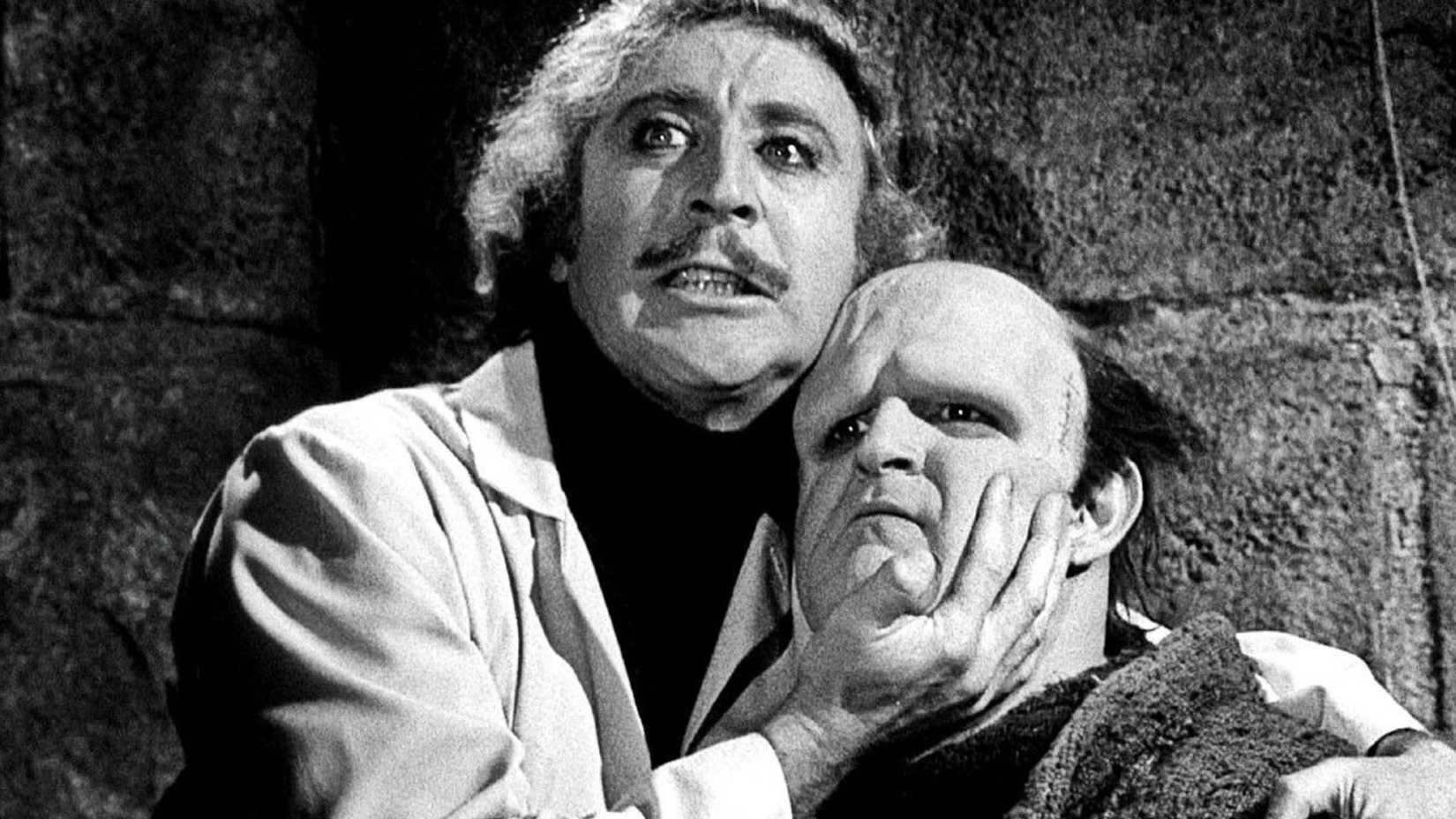
Mel Brooks' Young Frankenstein accomplishes something remarkably difficult by simultaneously being a parody of Universal’s Frankenstein movies and one of the finest Frankenstein movies ever made. Gene Wilder plays Frederick Frankenstein, the American grandson of Victor Frankenstein who inherits his family's Transylvanian estate.
Peter Boyle plays the Creature, still offering an impressive amount of pathos, while Marty Feldman’s Igor steals every scene in which he appears. The black-and-white photography, laboratory equipment, castle interiors, and musical cues are not superficial references. Brooks and Wilder construct the entire movie around an understanding of why the Universal films worked in the first place.
That is why jokes such as "Puttin' on the Ritz" do not destroy the Frankenstein mythology. Instead, Young Frankenstein demonstrates an extraordinary affection for it. Young Frankenstein narrowly misses the top spot, but it is certainly the best constructed comedy ever made from Frankenstein.
Bride Of Frankenstein (1935)

Bride of Frankenstein takes the top position because James Whale managed to craft a sequel that expands upon its predecessor while becoming richer, stranger, funnier, and more emotionally complex. Boris Karloff returns as the Creature, but this time the character is given considerably more personality.
He learns to speak, encounters people who briefly show him kindness, and develops an intense desire for companionship. His relationship with the blind hermit is particularly important because it demonstrates that the Creature is capable of friendship when he is not immediately confronted with fear and violence.
Colin Clive returns as Henry Frankenstein, while Ernest Thesiger introduces the wonderfully theatrical Dr. Pretorius. The latter pressures Frankenstein back into creating life, transforming the sequel into a more elaborate examination of scientific hubris. Elsa Lanchester memorably appears as both Mary Shelley in the framing sequence and the Bride herself.
Bride of Frankenstein genuinely understands the creature's isolation. The Bride's rejection of him is utterly devastating, despite the amount of dark humor that Whale managed to subtly infuse throughout. Frankenstein may have created the definitive cinematic monster, but Bride of Frankenstein gave him a soul.

- Release Date
- April 22, 1935
- Runtime
- 75minutes
- Director
- Bill Condon
- Writers
- David Koepp
KioskNews shows a cleaned-up reading view extracted from the publisher’s page — the original always lives on their site, not ours.