Anti-Pax Silica protesters released after 3 days in detention
Already have Rappler+?
to listen to groundbreaking journalism.

PROTEST. Protesters from Southern Tagalog stage a protest in Muntinulupa City on November 15, 2026.
Lakbayan ng Timog Katagalugan/Facebook
The protesters had been detained at Camp Bagong Diwa in Taguig for more than 70 hours without charges being filed within the prescribed period, raising allegations of illegal detention
AT A GLANCE
- Hundreds of protesters arrested during a demonstration against the US-led Pax Silica initiative were released after three days in detention due to lack of evidence for charges.
- The arrests occurred during a protest on November 15, coinciding with the 49th ASEAN Summit and the visit of US President Donald Trump to the Philippines.
- Activists have raised concerns that the Pax Silica initiative could endanger indigenous communities and farming areas due to increased demand for critical minerals.
This is AI-generated. Read the article for full context. Report any errors.
MANILA, Philippines – After three days in detention, 236 people arrested during a protest against the US-led Pax Silica initiative in Muntinlupa City were released on Wednesday evening, November 18.
In a resolution issued earlier the same day, the Muntinlupa City Prosecutor’s Office ordered their release pending further investigation into complaints of illegal assembly, disobedience, and grave coercion. Prosecutors dismissed the complaints of malicious mischief and alarms and scandals for lack of evidence.
The protesters had been detained at Camp Bagong Diwa in Taguig City for more than 70 hours without charges being filed within the prescribed period, raising allegations of illegal detention.
Most of those arrested were protesters from Southern Tagalog. Among them were campus journalists and students, including minors who were arrested and brought to Bahay Pag-asa Tunasan, Muntinlupa.
The arrests drew condemnation from lawmakers and various groups.
They were arrested during a protest on Sunday, November 15, the opening day of the 49th ASEAN Summit. The demonstrators opposed the US-led Pax Silica initiative and the visit of US President Donald Trump to the Philippines.
Their release came just hours after Trump left the country for the Asia-Pacific Economic Cooperation Leaders Meeting in Shenzhen, China, which will also be attended by President Ferdinand Marcos Jr..
At a press conference in Malacañang with Trump, Marcos said there was no signing of a Pax Silica agreement during the US President’s visit to the Philippines.
Department of Trade and Industry Undersecretary Ceferino Rodolfo earlier said the Pax Silica deal would be signed before the year ends.
Pax Silica is a US-led initiative that seeks to secure supply chains for critical minerals and semiconductors through partnerships with other countries.
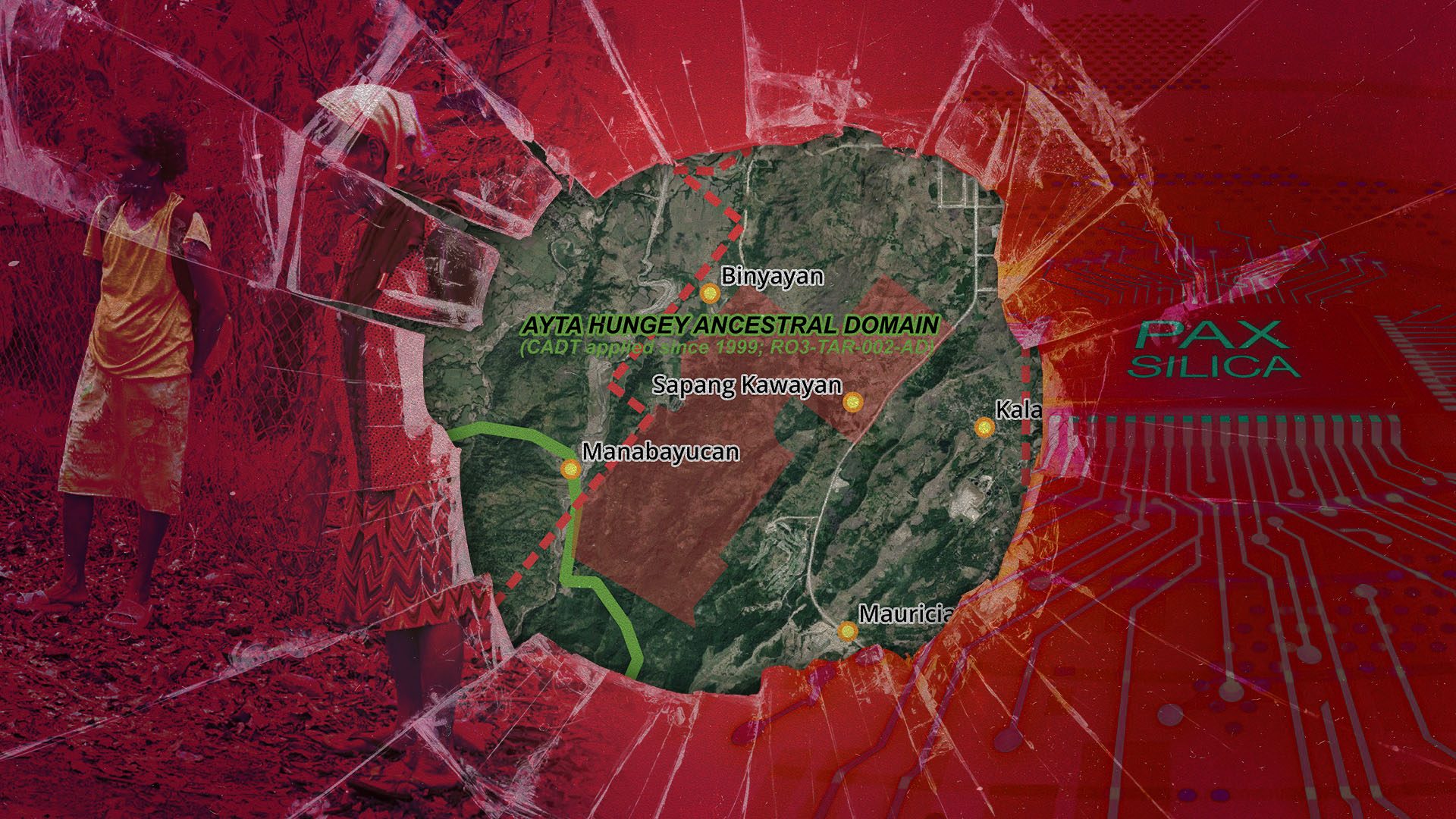
Activists have warned that Pax Silica could put indigenous communities and farming areas at risk, particularly amid growing demand for minerals used in advanced technologies.
KioskNews shows a cleaned-up reading view extracted from the publisher’s page — the original always lives on their site, not ours.