Indonesia haze cost Malaysia US$1.97 billion in losses: study
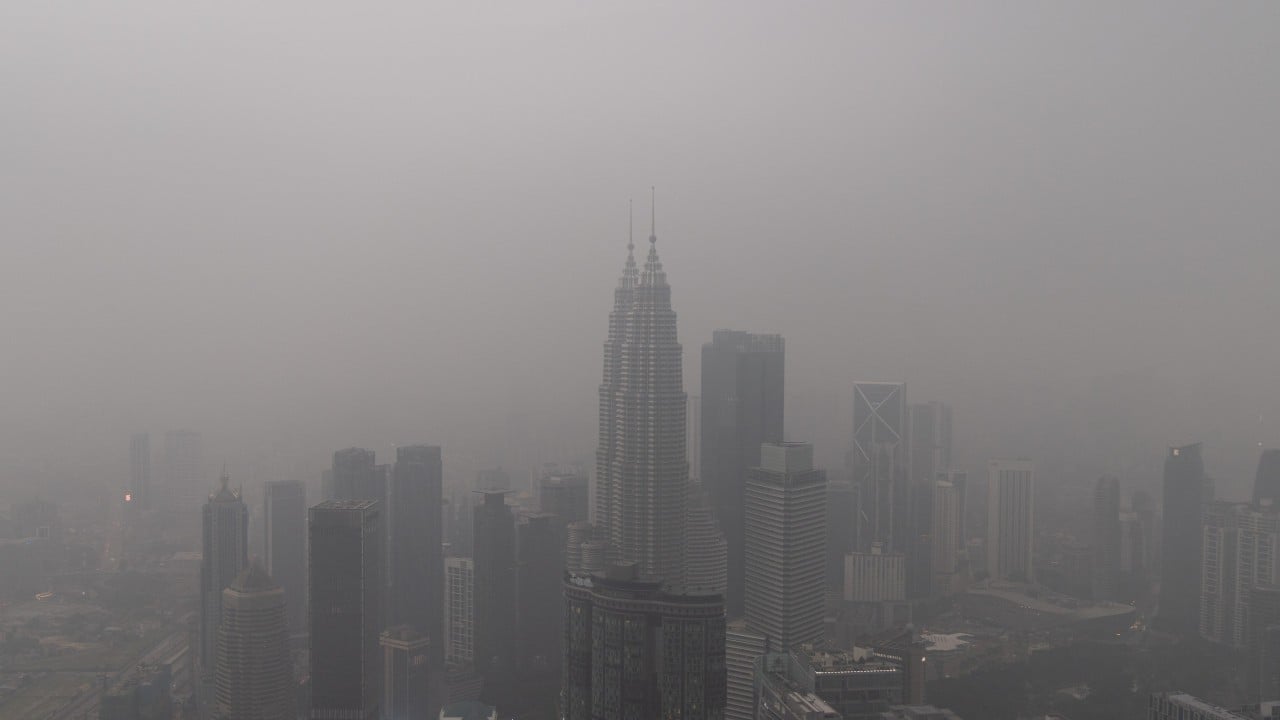
Smoke from this year’s Indonesian forest and peatland fires has inflicted an estimated 8 billion ringgit (US$1.97 billion) in welfare losses on Malaysia, contributing to an estimated 1,700 deaths and severely disrupting manufacturing, according to a report commissioned by the country’s leading industrial group.
The study, “The 2026 Fire Season and Transboundary Haze in Malaysia”, was conducted for the Federation of Malaysian Manufacturers (FMM), as reported by the Malay Mail. Drawing on satellite data, air-quality monitoring and atmospheric modelling, the assessment tracked the impact of prolonged haze from July 1 to October 22.
Short-term exposure to fine particles from the fires contributed to an estimated 1,700 premature deaths – with a 95 per cent uncertainty interval of 1,300 to 2,300 – the report found, noting the figures reflect statistical models rather than individually confirmed fatalities.
Around 1,600 of those deaths were attributed to transboundary smoke originating outside Malaysia. However, if fire smoke is assumed to be less toxic than typical fine particles, that toll drops to roughly 600.
The report quantified the subjective health burden of those premature deaths – measured as the amount society is willing to pay to avoid mortality risks – at between 3 billion ringgit (US$740 million) and 15 billion ringgit (US$3.69 billion). The report stressed this figure reflects broader social welfare rather than lost economic output or gross domestic product, and should not be added to other financial losses.
The study also surveyed 86 FMM-affiliated facilities, 81 of which were industrial plants.
Of these, 59 sites reported operational disruptions, with 26 per cent describing the impact as moderate or significant. Among affected sites, 81 per cent reported an increase in sick leave and health-related absences, while 63 per cent said haze-induced school closures reduced staff availability.
A further 14 per cent suffered shift disruptions, production delays or delivery bottlenecks caused by labour shortages.
Among manufacturers reporting operational impacts, 37 per cent recorded lower output, and 27 per cent were forced to temporarily shut down at least one production line.
The report noted the survey did not represent Malaysia’s entire manufacturing industry, as responses were concentrated in the industrial hubs of Selangor and Penang, with only two submissions from Sarawak.
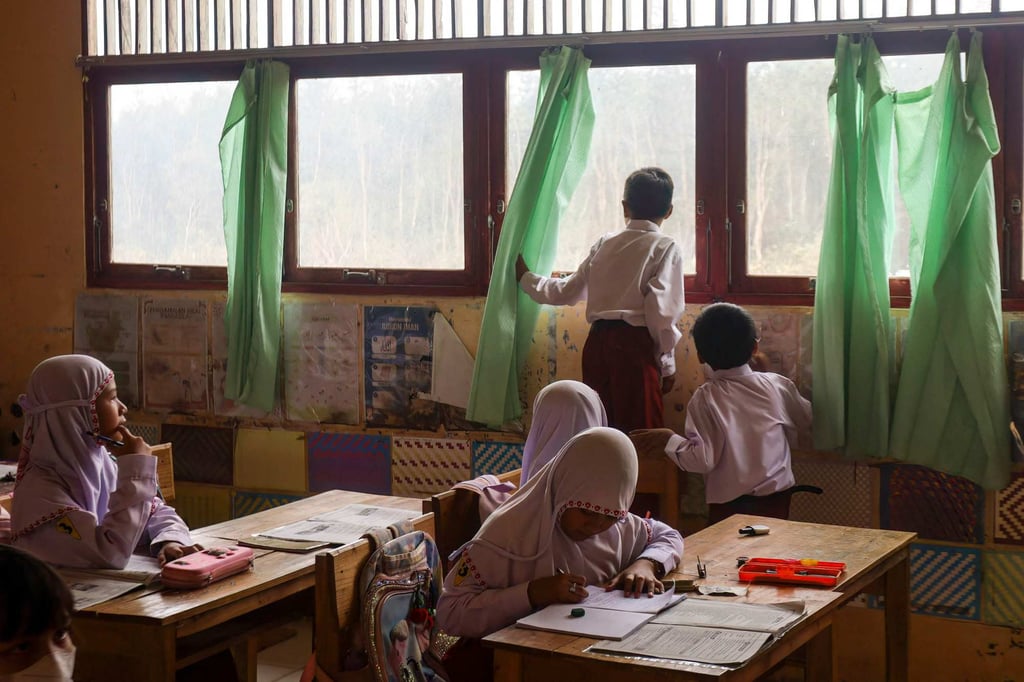
Beyond the factory floor, school closures caused by the air pollution wiped out an estimated 8.4 million to 13.4 million student-days – defined as the cumulative number of official attendance days missed across all affected pupils.
The report acknowledged several uncertainties, noting that underlying health-risk coefficients relied largely on studies of surface forest fires rather than smouldering peatland blazes, and lacked localised data from Malaysian cities.
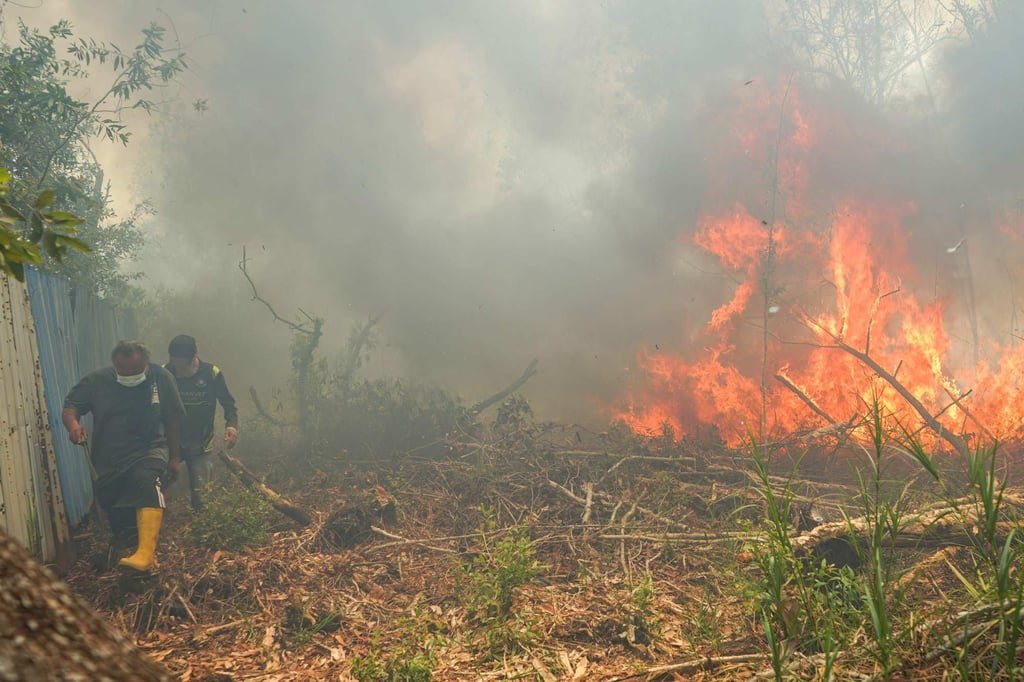
Peninsular Malaysia and Malaysian Borneo endured months of intermittent, choke-inducing haze driven by persistent agricultural and peatland fires across Indonesia’s Sumatra and Kalimantan, with the air pollution index (API) repeatedly reaching unhealthy levels since August.
Skies have cleared over the past week. By 5pm on Thursday, all monitoring stations nationwide reported levels within the “good” (0-50) or “moderate” (51-100) range, according to the Department of Environment’s portal. Readings above 100 denote “unhealthy” air.
Kuala Lumpur announced on October 22 that it planned to introduce several measures to tackle recurring transboundary haze when it assumes the rotating chairmanship of the Association of Southeast Asian Nations’ Sub-Regional Ministerial Steering Committee on Transboundary Haze Pollution next year, state news agency Bernama reported.
KioskNews shows a cleaned-up reading view extracted from the publisher’s page — the original always lives on their site, not ours.