'Sully' To Gimli, Sioux To Patna: When Pilots Got It Unbelievably Right
Aviation has got a bad rap recently, after a flydubai co-pilot stabbed the pilot and tried to crash the plane on Tuesday and it emerged that an Air India pilot was high on marijuana while operating a plane from Phuket to Delhi in August. When the focus is on such incidents, it is easy to forget that over 1 crore people fly commercial airliners - largely without incident - every day, and even easier not to remember pilots who have shown extraordinary presence of mind in life-and-death scenarios, saving thousands of lives.
READ | 'He Always Has Plan B, Plan C': Pilot Who Trained With Captain Smit Machchhar
Captain Smit Machchhar, who fought off the co-pilot and opened the cockpit door, saving 174 people, is one such example and joins the league of great pilots, many of whom have been immortalised in film.
The Miracle on the Hudson
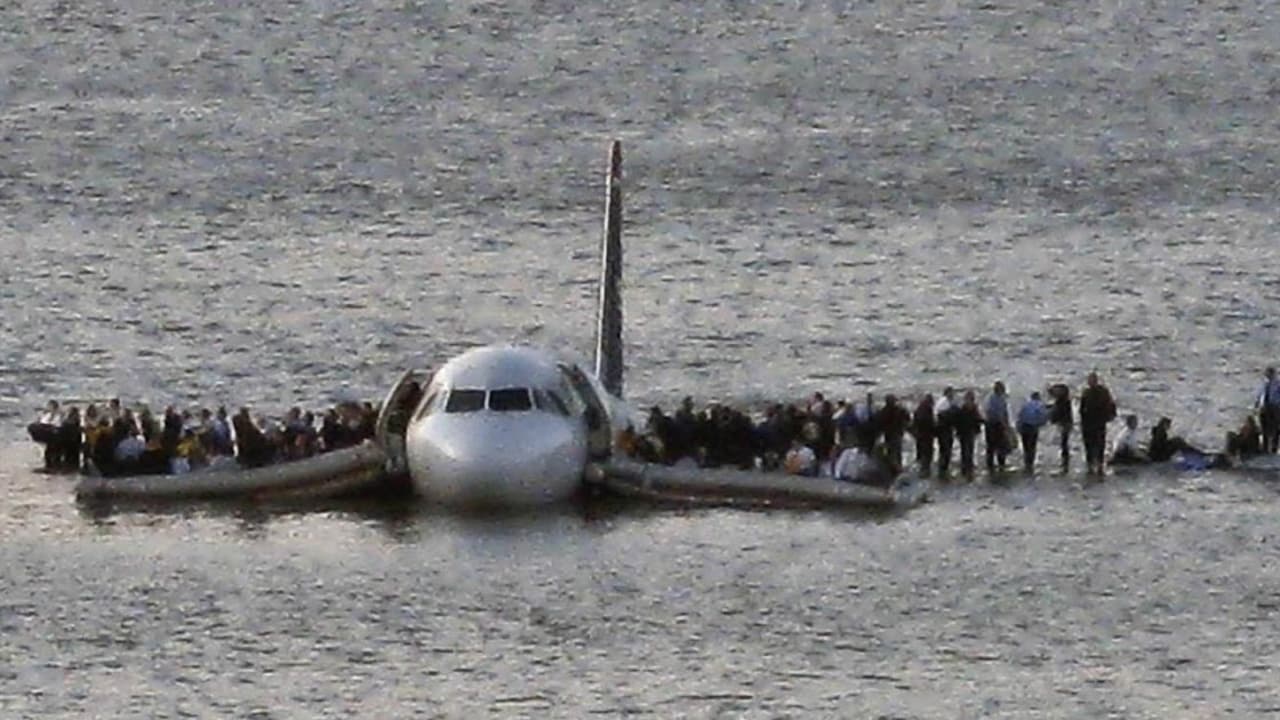
Captain Chesley 'Sully' Sullenberger was piloting US Airways Flight 1549 from New York City to Charlotte, North Carolina, when a flock of Canada geese struck the plane two minutes after take-off, causing complete failure of both engines on the Airbus A320-214.
Sullenberger squawked 'Mayday' and was advised by Air Traffic Control at LaGuardia Airport to return and land on Runway 13. Realising that wasn't doable, the former US Air Force fighter pilot asked for other landing options, including in New Jersey, but calculated that the aircraft had insufficient altitude and speed to get there safely.
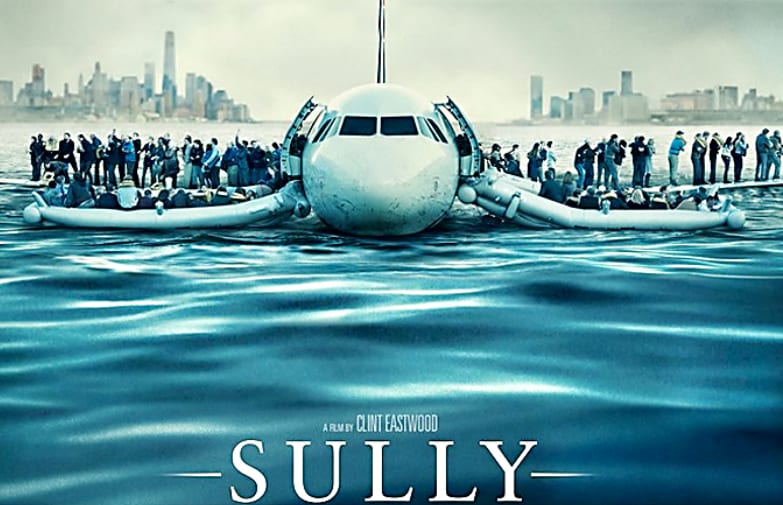
Instead of risking a crash over a densely populated area, Sullenberger decided to glide the plane down on the Hudson River, executing an almost perfect water landing in an Airbus 320. All 155 people on board were saved, though some suffered injuries.
Tom Hanks played Sullenberger in 'Sully', which hit the theatres in 2016 and went on to gross over $240 million at the box office worldwide. The pilot was also inducted into the US Aviation Hall of Fame last month.
The Gimli Glider
On July 23, 1983, a brand-new Boeing 767, operating as Air Canada Flight 143, took off from Montreal for Edmonton in Canada. Because of a metric-to-imperial conversion confusion (the 767 was one of the first Air Canada planes to have readings in metric units) during fuelling, the aircraft completely ran out of fuel at 41,000 feet.
With both engines dead and cockpit displays going dark, Captain Robert 'Bob' Pearson and First Officer Maurice Quintal had to glide the massive 100-tonne aircraft. The pilots calculated that the nearest big airport was too far, and one of them thought of a small airstrip in Gimli in Manitoba.
Pearson, who had flown gliders before, executed an advanced aerodynamic manoeuvre called a 'sideslip' (typically done only on small gliders to shed altitude without gaining speed) to line up and safely deadstick-land on the decommissioned military runway that was now operating as a local go-kart racetrack. All 69 people on board were safe.
The incredible event inspired the 1995 movie 'Falling from the Sky: Flight 174'.
The Sioux City Miracle
United Airlines Flight 232 took off from Denver and was headed to Chicago when it suffered a total hydraulic failure mid-flight. One of the fan blades in the rear engine had cracked and disintegrated, leading to engine failure, and debris damaged all three hydraulic lines in the aircraft's tail section, which are crucial to steering the plane. The plane, a McDonnell Douglas DC-10, ascended and started rolling to the right as the pilots desperately tried to realign it.
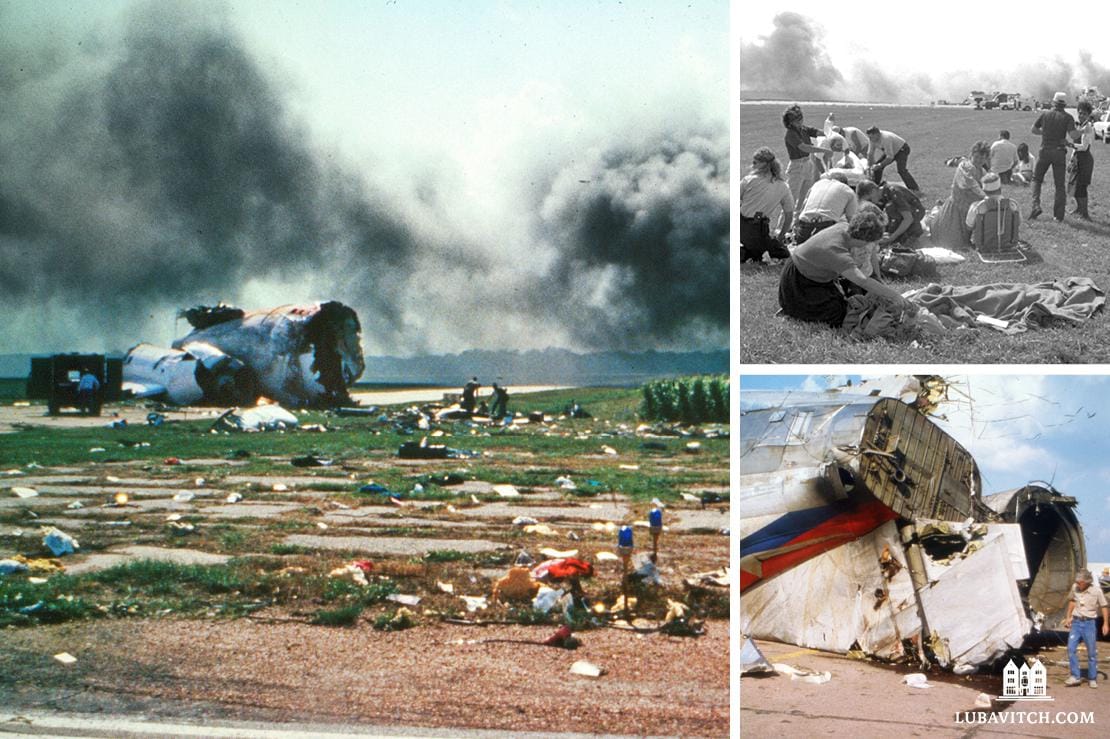
A United Airlines DC-10 training instructor, Dennis Fitch, happened to be a passenger on the flight, and he jumped in to help with the landing. The pilots used differential engine thrust to steer and control the pitch of the jet and managed a crash landing in Sioux City. Of 296 people on board, 184 survived. The film 'Crash Landing: The Rescue of Flight 232' is based on these events.
The Volcanic Ash Glider
A Boeing 747 was flying from London to Auckland as British Airways Flight 009 on June 24, 1982, when it entered a cloud of volcanic ash thrown up by Mount Galunggung near Jakarta in Indonesia. The ash, which was not visible to the pilots from a distance in the dark, melted inside all four engines and brought them to a complete stop. As the plane began descending, Captain Eric Moody calmly addressed the passengers with the now famous message: "We have a small problem. All four engines have stopped. We are all doing our damnedest to get them going again."
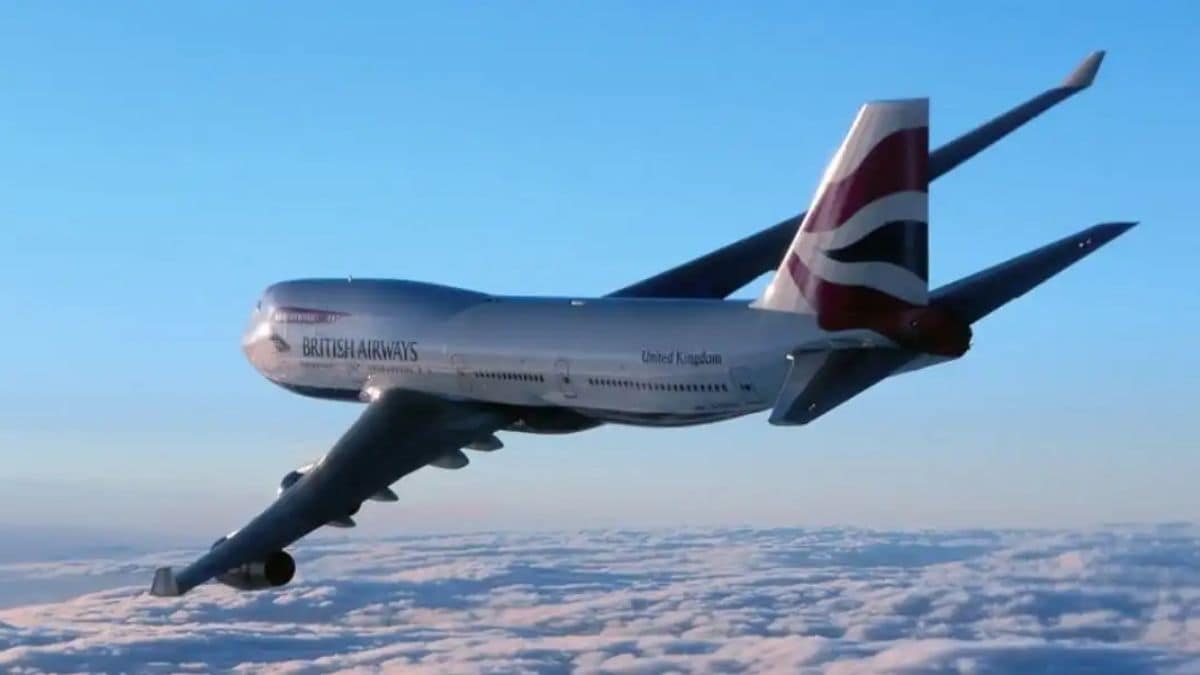
Moody theorised that cooler air would solidify the melted volcanic glass inside the engines and initiated a steep descent. At 12,000 feet, his theory worked, and the engines restarted. The trouble wasn't over yet, though - the ash had covered the windshield completely and the pilots could not see anything. The pilots landed the aircraft 'blind', guided only by instruments, in Jakarta, saving all 263 passengers and crew on board.
Fire In Patna
On June 19, 2022, SpiceJet flight SG-273 had just taken off for Delhi from the Jayprakash Narayan International Airport in Patna when the left engine of the Boeing 737 suffered a severe bird strike, damaging the blades and causing an engine fire. Passengers began panicking as flames leapt out of it, but Captain Monica Khanna and First Officer Balpreet Singh Bhatia remained calm.
Captain Khanna executed an 'overweight landing', with a lot of fuel on board, on one engine, safely bringing all 191 people on board back to the ground.
3-Hour Fuel-Burn Circle In Trichy
Immediately after taking off for Sharjah from Tiruchirappalli on October 11, 2024, Air India Express IX-613, with over 140 people on board, suffered a hydraulic failure, and the landing gear failed to retract. Landing immediately with a full fuel load and a faulty gear could have caused a massive explosion on impact: because narrow-body planes like the Boeing 737 cannot physically dump fuel mid-air, the pilots spent nearly 2.5 to 3 hours circling the skies to lighten the aircraft's weight.
While over 20 ambulances and fire trucks stood at the ready, preparing for a 'belly landing', the pilots managed to land the plane normally.
KioskNews shows a cleaned-up reading view extracted from the publisher’s page — the original always lives on their site, not ours.