Philippines’ bounty on ‘Bato’ dela Rosa exposes Marcos’ dilemma in Duterte feud
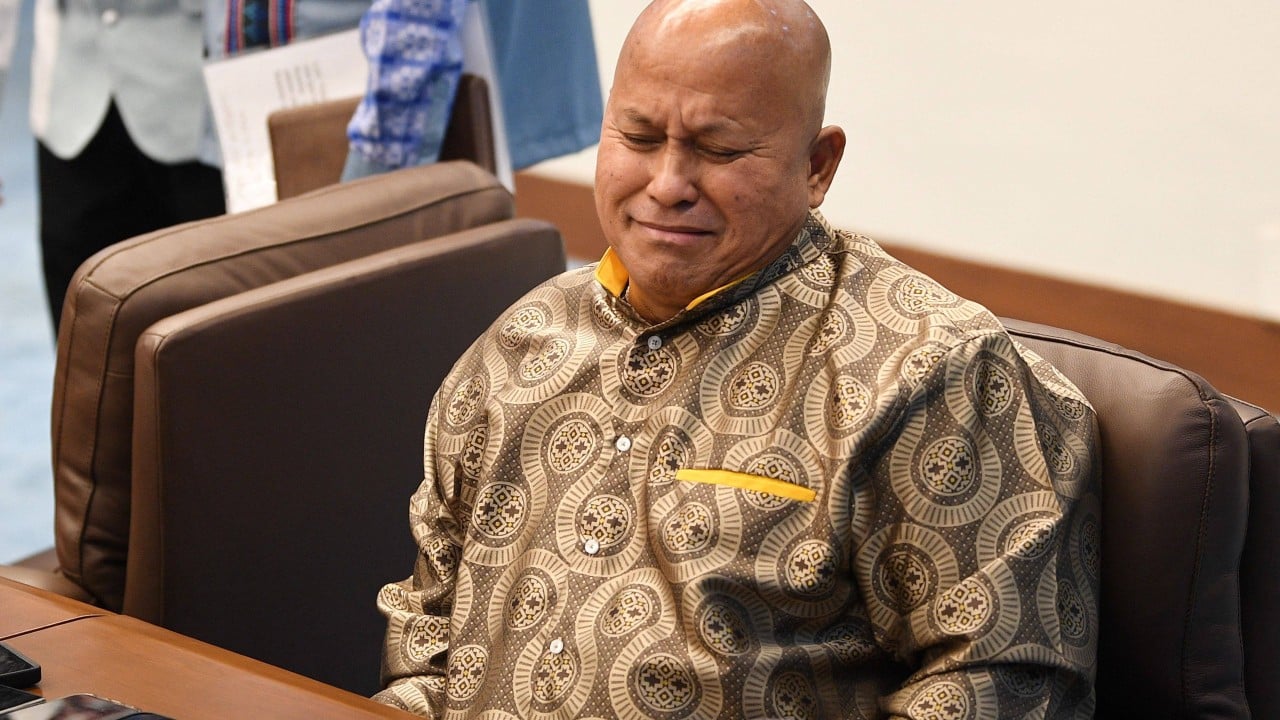
A 50-million-peso (US$780,000) bounty for information leading to the arrest of fugitive Philippine senator Ronald “Bato” dela Rosa has raised questions over the Marcos administration’s ability to enforce the law against high-profile political figures, with analysts warning the move risks making Manila appear weak and reactive.
Dela Rosa, who served as national police chief under former president Rodrigo Duterte, faces an International Criminal Court (ICC) arrest warrant for alleged crimes against humanity connected to Duterte’s deadly “war on drugs”. While Duterte is already in ICC custody in The Hague ahead of his trial scheduled to open next month, dela Rosa remains at large.

Interior Secretary Jonvic Remulla announced the bounty on Friday at a news briefing, warning that the senator was now considered “armed and dangerous”.
“It’s time for the gloves to come off. It’s time to bring justice to his victims,” Remulla said, as police issued a one-week surrender ultimatum.
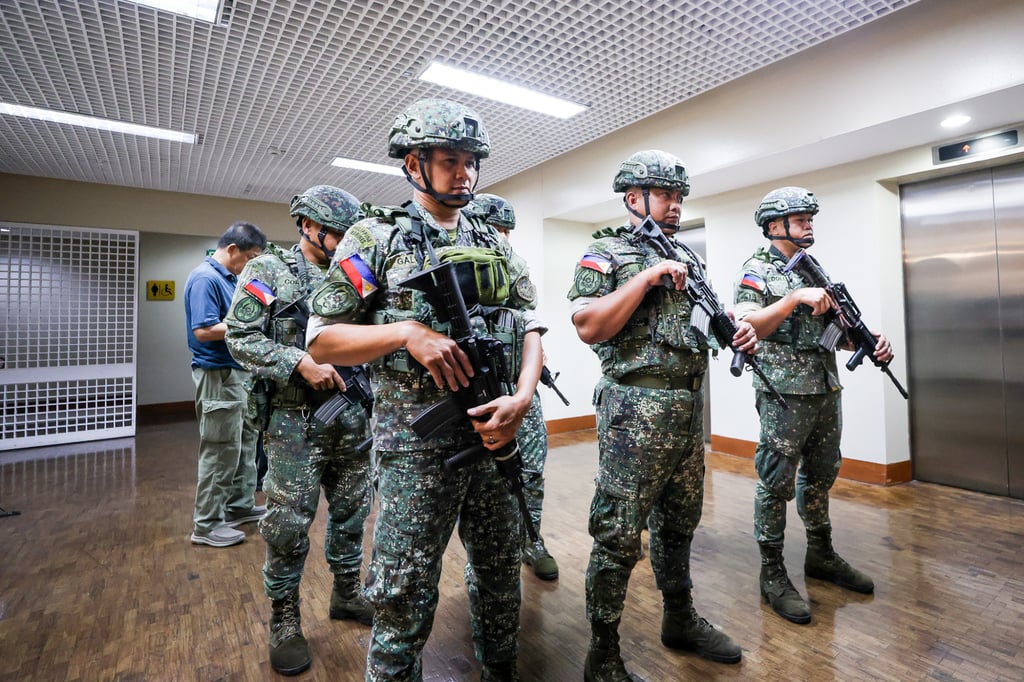
Remulla also warned that any operation could result in bloodshed, alleging that the key Duterte ally was being shielded by a heavily armed group in a remote area in the southern Philippines. In response, lawmakers have urged security forces to prioritise a peaceful, bloodless arrest.
Dela Rosa has been in hiding since 2025, slipping away shortly before the ICC issued his warrant. The tribunal’s investigation centres on Duterte’s anti-drug campaign between 2016 and 2022, which human rights watchdogs estimate claimed 12,000 to 30,000 lives.
The senator briefly resurfaced at the Senate in May to cast a vote during a leadership contest. He then went into hiding in his legislative office for several days before escaping amid chaotic scenes that included gunfire.
Remulla pointed out that November marked one year since the ICC first issued the sealed warrant holding dela Rosa criminally responsible for drug-war deaths, which was made public in May.
Legal scrutiny
Dela Rosa’s legal team questioned the legality of the bounty on Monday, arguing that local authorities could not execute such measures without an arrest warrant issued by a Philippine court.
However, the administration defended the move. Presidential Communications Undersecretary Claire Castro told state-run Radyo Pilipinas that offering a reward was a standard operational tactic of the Philippine police and the Department of the Interior and Local Government (DILG), funded through lawful confidential and intelligence allocations.
Legal experts backed the government’s authority to issue the reward.
The DILG “has the power to offer monetary awards to informants who can provide information for the apprehension of fugitives, as determined at the discretion of the secretary”, said Darwin Angeles, a lecturer at the University of the Philippines College of Law.
Angeles said this authority aligned with the department’s statutory mandate to preserve public safety through civic cooperation and integrated law enforcement.
While dela Rosa’s lawyers argued that a formal memorandum circular was required beforehand, Angeles noted such issuances were purely internal administrative mechanisms to process and disburse funds. Under joint circulars governing the country’s security agencies, tracking high-profile fugitives is a standard, recognised use of intelligence funds, provided proper documentation is maintained.
Weak optics for Marcos
Despite its legal footing, political analysts argue the bounty exposes fundamental weaknesses in President Ferdinand Marcos Jnr’s handling of the rival Duterte faction.
“One should be reminded that there is a clear distinction between caution and capitulation,” said Arjan Aguirre, an assistant professor of political science at Ateneo de Manila University. “Caution means taking measures to prevent violence while ensuring the law is enforced. Capitulation, on the other hand, is when the threat of violence begins to constrain the government’s exercise of its own authority.”
Aguirre said that rather than relying on headline-grabbing bounties, the administration should have deployed a coordinated law enforcement strategy together with an assertive communications campaign highlighting that dela Rosa was evading justice.

“We are dealing with a popular political figure who has considerable influence in society and potentially within law enforcement itself,” Aguirre said.
Without a clear enforcement plan, the bounty risked projecting an inability to apprehend him through conventional means, he added.
“Ultimately, is this part of a coherent strategy, or merely an attempt to compensate for difficulties in tracking him down?”
The stand-off also highlights broader political dynamics, with the Marcos administration frequently appearing outmanoeuvred in narrative battles against the Dutertes.
“The Marcos camp needs to catch up strategically,” Aguirre said, noting that Duterte’s allies successfully framed state actions as political persecution. “While Marcos holds the institutional power of the presidency, the Duterte faction retains significant influence and an ability to shape the public narrative.”
He added: “These accusations become more effective because of glaring contradictions in the Marcos administration itself, particularly the slow pace of investigations into the flood control scandal and delayed reforms in the budget process.”
KioskNews shows a cleaned-up reading view extracted from the publisher’s page — the original always lives on their site, not ours.