Jensen Ackles & Jessica Alba’s 43-Episode Cyberpunk Thriller Predicted The World We Live In

Cher Thompson is a Senior Staff Writer at Screen Rant, where she covers everything from explosive reality TV moments to cast interviews about the twists and turns of scripted dramas. With a background in creative writing, marketing, and teaching, Cher knows how to spot both the storytelling genius and the guilty pleasures in pop culture. Her work blends wit with insight, making readers feel like they’re chatting with a friend who just happens to know way too much about TV.
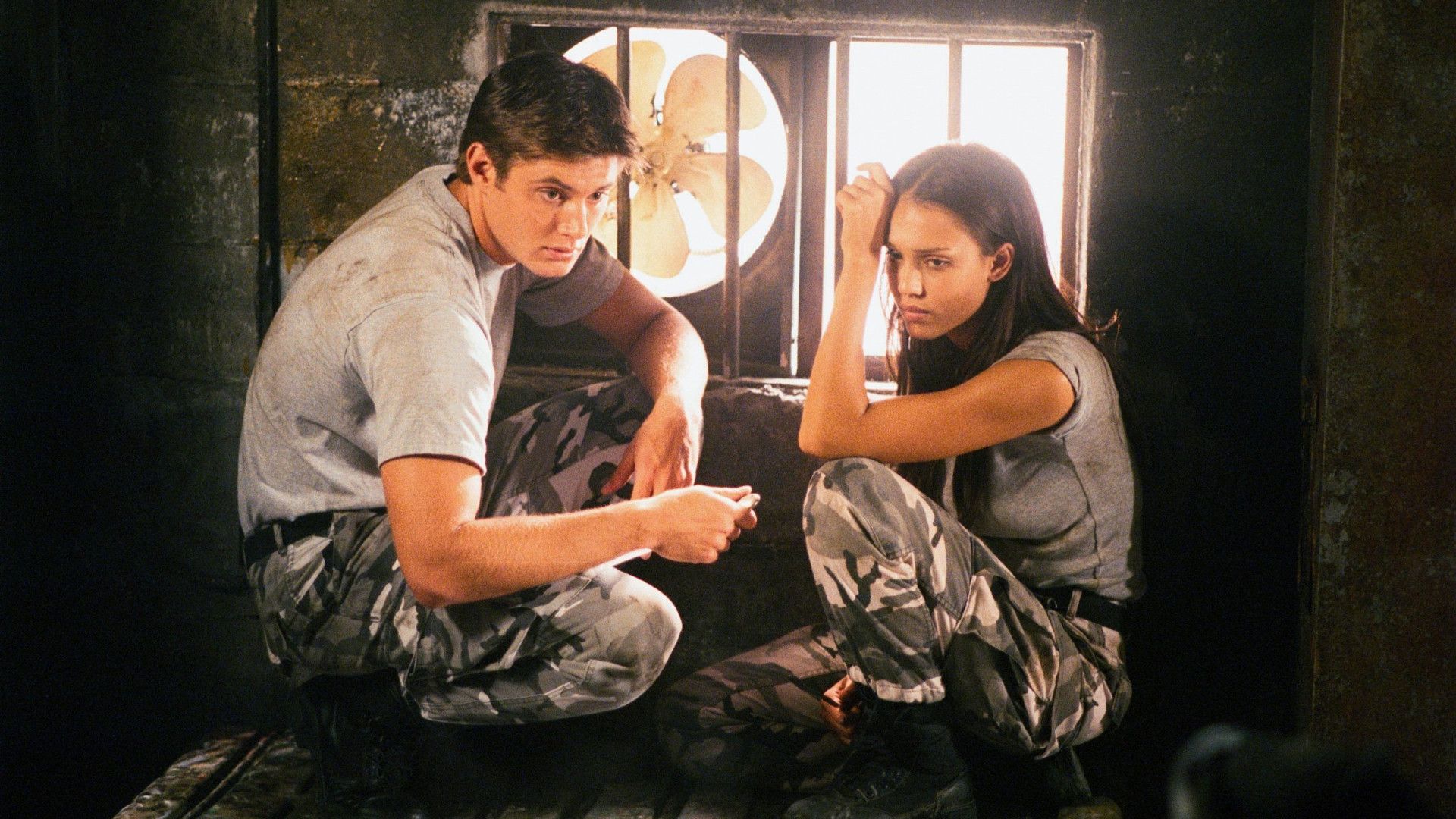
While there are some shows that aim to predict the future and miss the mark, one early 2000s cyberpunk series starring Jessica Alba and Jensen Ackles has eerily found its predictions coming true as time's gone by. When Dark Angel premiered in 2000, the Fox series was marketed as a futuristic action show from James Cameron, best known at the time for Titanic. Alba's Max Guevara, a genetically modified super-soldier living in a completely transformed version of America, was the focal point of the series. Set in 2019, the show imagined an altered world post-cyberattack, known as the Pulse.
The Pulse had crippled the US' economy and destroyed digital infrastructure, which led to major societal issues. At the time, many of the ideas presented by Dark Angel felt like over exaggerated sci-fi tropes that were designed to support the cyberpunk setting instead of seeming like they were possible in the near future. More than 20 years later, however, the future laid out by Dark Angel has become increasingly more realistic, with some of the show's visions of our current era feeling remarkably familiar. The show explored the delicate nature of digital infrastructure long before the advent of true cybersecurity.
While not every prediction that Dark Angel made came true, many of the show's broader trends have proven to be surprisingly relevant in the modern age. Though the series often feels dated, it's not as much of a relic of time as other shows of its era, as Dark Angel has been unexpectedly perceptive.
James Cameron’s Dark Angel Predicted So Much About The World Today

While there are some Dark Angel plot points that definitely didn't come to fruition, the most obvious example of the show's foresight is the Pulse itself. After a terrorist cyberattack destroys computer systems across the US, devastating the economy and wiping out financial records, the world is left in shambles. When Dark Angel premiered in 2000, the idea of cyberwarfare was a far less prevalent or possible thought. Mostly saved for sci-fi stories, the fact that cyberattacks have become a regular part of everyday life is a far cry from the fictional idea of what happened before Dark Angel began.
Some of the most surprising parallels come from the way it portrayed different facets of technology and the way they would impact the world. Dark Angel's concerns about digital infrastructure extended beyond financial systems, and while they dramatized the consequences on a far larger scale, many of their issues ring true to life. From smaller facets of life like the gig economy or general hacktivism to the existence of drone warfare and smart cars, Dark Angel was able to be one of the most forward-thinking shows on the air at the time, and many of its guesses have panned out.
Question 1 of 3
It’s Ominous That A Dystopian TV Series Like Dark Angel Was So Right

While it's interesting to note that Dark Angel was able to be fairly predictive of what was going to happen in the next few decades, the fact that a show marketed as a dystopian drama was right is fairly ominous. Dark Angel's future America struggled with economic instability, inequality, government overreach, and the unintended consequences of technological advancement. That context makes many of its successful predictions feel less impressive than they would be if the series tackled lighter fare. Instead, the warning bells of Dark Angel being accurate about what's happening in the current state of the world is unsettling.
Each of Dark Angel's predictions wasn't being played for its ability to be innovative or forward-thinking on screen. Instead, the show was often pointing out how dark and dystopian the developments in the world had become. The show's concerns about cybersecurity offer a clear example, as Dark Angel didn't portray technological vulnerability as an interesting development. Instead, it presented digital dependence as a weakness that could be exploited by people in power. The devastating consequences that played out on screen may not be the reality of today's world, but it feels like a distinct possibility in the near future.
For a TV series that ended after just 43 episodes, Dark Angel left an impressive legacy and served as a reminder that some of the most effective sci-fi storytelling recognizes where the present is already headed.
KioskNews shows a cleaned-up reading view extracted from the publisher’s page — the original always lives on their site, not ours.