Illinois man’s 100-acre conservation work helps protect water for 30,000 people
When Greg Reising bought roughly 100 acres near Kinkaid Lake in southern Illinois in 1995, he was looking for a place where he could spend time outdoors and connect with wildlife. Decades later, the property has become part of a much larger conservation effort aimed at protecting the creek system that feeds a reservoir serving about 30,000 people.
The U.S. Department of Agriculture’s Natural Resources Conservation Service (NRCS) documented Reising’s work, while the U.S. Forest Service and Illinois Environmental Protection Agency have separately highlighted the broader erosion and sedimentation problems affecting the Kinkaid Lake watershed. Scroll down to read more.
From private land to conservation project
Reising, who lives in Collinsville and works as a fleet manager for the Collinsville Recreation District, bought the Jackson County property close to Kinkaid Lake.
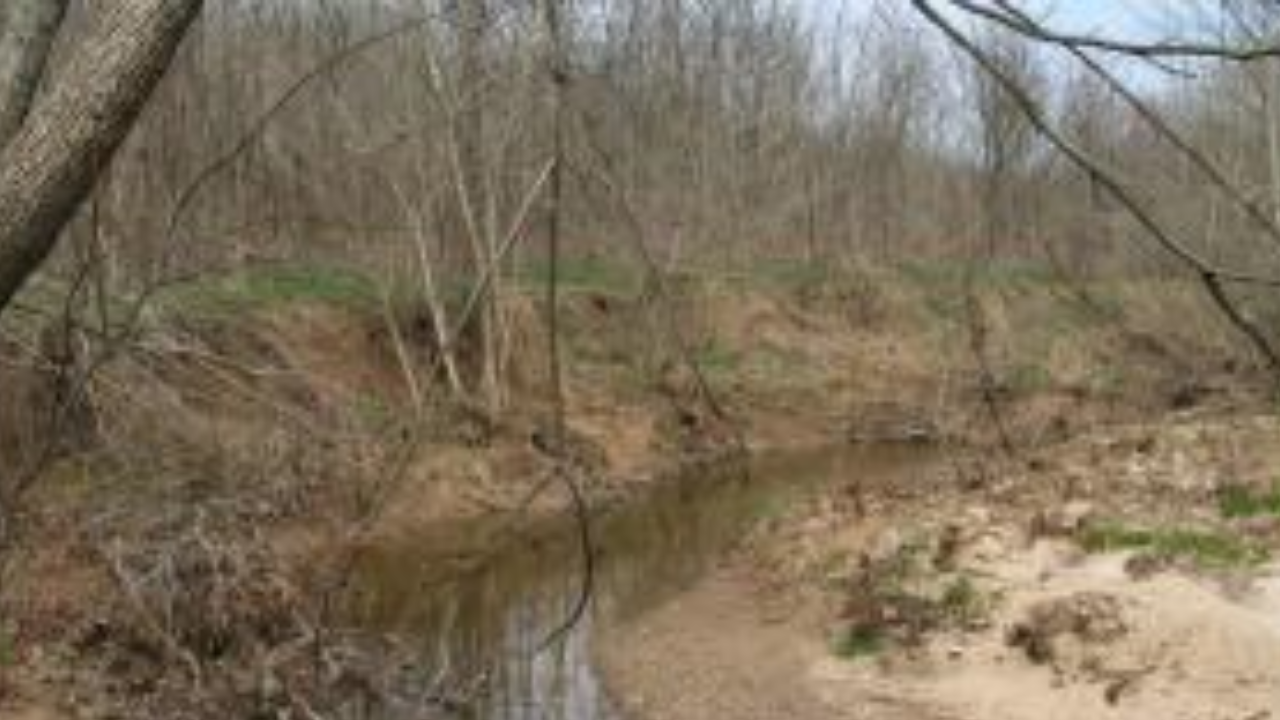
The reservoir was constructed in 1968 and serves as an important water source in the region. A creek that flows through Reising’s property eventually reaches the lake. But managing the land quickly revealed a problem: sections of the creek bank were being eaten away by fast-moving floodwater.The property had previously been used for crops. Reising and his family moved portions of it into conservation use, establishing prairie vegetation and planting thousands of trees.
The goal was not simply to improve the appearance of the property, but to rebuild soil, reduce erosion and create habitat.
Erosion became the bigger challenge
The creek’s problems were part of a watershed-wide issue. Kinkaid Lake sits within a landscape where steep slopes and highly erodible soils can send large quantities of sediment into waterways during heavy rainfall.A U.S. Forest Service research project says the Kinkaid Lake-Kinkaid Creek watershed covers more than 41,000 acres.
A 2006 diagnostic study estimated that approximately 39,000 tons of soil were eroding from the watershed each year, with about 35,000 tons reaching the reservoir. The Forest Service notes that sediment has affected both water quality and the lake’s storage capacity.Illinois EPA assessments have also identified erosion within the Kinkaid Lake watershed as a source of sediment and nutrients. Its assessment found that gullies accounted for a larger share of estimated sediment contributions than streambanks, underlining that the lake’s erosion problem extends well beyond individual stretches of creek bank.
Working beyond one property
Rather than treating individual damaged sections as isolated problems, Reising eventually expanded his land holdings to include neighboring property. This allowed conservation work to address longer, connected sections of the creek.With assistance from NRCS conservation staff, plans were developed to stabilize vulnerable streambanks. One proposed approach involved stream barbs, structures designed to redirect and slow water and reduce the force acting directly on eroding banks.The work was supported through the federal Environmental Quality Incentives Program, or EQIP, which provides technical and financial assistance for conservation practices on eligible agricultural and private lands. Reising also adopted other measures, including prairie plantings, cover crops and wildlife food plots. Together, those practices can help keep soil in place while improving habitat.
A wider effort to protect Kinkaid Lake
Reising’s property represents only one piece of the conservation work taking place around Kinkaid Lake.
The watershed includes land managed by private owners, the Illinois Department of Natural Resources and the Shawnee National Forest.The Forest Service says restoration efforts in the area include gully stabilization, shoreline work and soil conservation on private agricultural land. Its current research is also examining how restoration activities affect downstream water quality and the lake itself.Illinois EPA records show that Kinkaid Lake has been the focus of multiple watershed and sedimentation projects over the years, including shoreline stabilization and projects aimed at reducing sediment and other pollutants entering the reservoir. For Reising, however, the motivation began much closer to home. What started as a piece of land for hunting, recreation and time outdoors gradually became an effort to restore a damaged landscape.
The result is a conservation project that reaches beyond property lines, linking healthier soil, wildlife habitat and streambank protection to the long-term health of a reservoir relied upon by communities across southern Illinois.
KioskNews shows a cleaned-up reading view extracted from the publisher’s page — the original always lives on their site, not ours.