Chinese scientists find ‘extremely high-value’ underwater gold mine in Pacific
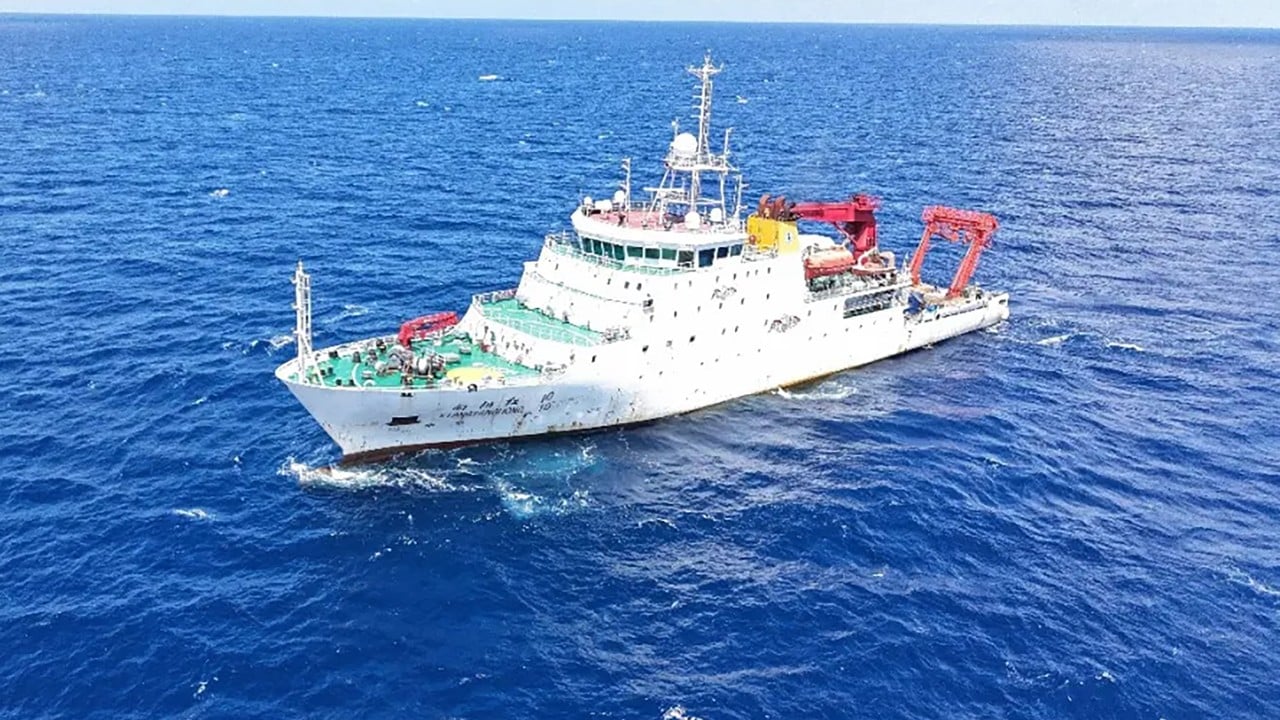
Chinese scientists say they have discovered a massive underwater mineral deposit in the western Pacific that is remarkably rich in gold and silver.
According to a report by state broadcaster CCTV on Friday, the discovery was made during a joint scientific expedition involving several Chinese academic institutions.
The ores within this seabed hydrothermal field – an area where hot, mineral-rich water shoots out from openings on the ocean floor – are exceptionally rich in precious metals. Silver, in particular, reaches more than 1kg (2.2lbs) per tonne of ore at its highest grade, while the average metal content exceeds that of typical terrestrial deposits.
“The [large seabed mining area] has extremely high exploitation value,” said Song Shiji, vice-dean of the Institute for Ocean Engineering at Tsinghua University and one of the lead scientists on the project.
The survey team also included researchers from the Qingdao Institute of Marine Geology and Shanghai Jiao Tong University. The expedition set sail from Shenzhen on August 10 aboard the Xiang Yang Hong 10, one of China’s first domestically designed and built giant oceanographic research vessels.
The precious metals were discovered in a sprawling, high-temperature hydrothermal field, concentrated in what are known as “hydrothermal sulphide” ores.
These multi‑metal deposits form when super‑hot, metal‑rich water jets out of the seabed and hits near‑freezing seawater. The sudden cooling makes the metals bind with sulphur and drop out as solid sulphide minerals – mostly copper, zinc and lead, but often with some gold and silver as well.
KioskNews shows a cleaned-up reading view extracted from the publisher’s page — the original always lives on their site, not ours.