18 Years Ago, Hayden Christensen's Failed Star Wars Replacement Ended on an Infuriating Cliffhanger


Simon Gallagher has worked in movie and TV journalism for more than 17 years. He has written more than 6000 articles and reviews, and edited thousands more. He is an expert in the entertainment industry, particularly in the golden age of screen superheroes. Simon is also a Rotten Tomatoes approved critic.
On the back of Star Wars' Prequel trilogy, Hayden Christensen was expected to be a major star. By 2008, he’d made the thriller Awake and Factory Girl to widespread critical apathy, after consciously trying to make something different. He explained years later that he felt his fame after Star Wars had been handed to him: “I didn’t want to go through life feeling like I was just riding a wave.” The sentiment remains admirable, even if the movie choices were perhaps a little unconventional.
The urge to step out of George Lucas’ shadow and away from one of the most famous character arcs in the history of cinema is entirely understandable. The same instinct led both Robert Pattinson and Daniel Radcliffe down bizarre career paths, chased by a vampire and a wizard, and there but by the grace of the movie gods could Christensen have gone. Somewhat inevitably, in 2008, he was drawn back to both franchise filmmaking and sci-fi. A bold move, considering the proximity to Anakin Skywalker.
Hollywood almost always reverts to type eventually, and the industry found Christensen’s next big sci-fi franchise opportunity in a high-concept, globe-trotting blockbuster built based on an acclaimed 1992 sci-fi novel and perfectly aimed at the actor’s action star potential. Jumper was his chance to build a sci-fi brand without a lightsaber in his hand, but it ended up as one of the 2000s most unfortunate cautionary tales.
Jumper Was Supposed to be Hayden Christensen's Next Big Sci-Fi Franchise
After playing the Bob Dylan stand-in Billy Quinn in Factory Girl, the idea of an abused youngster who discovers he has superpowers, uses them for morally questionable reasons, and is thrust into a battle with a religious-order-like group who see his existence as an aberration must have felt like a sci-fi homecoming.
And there were genuinely big plans for the adaptation. Jumper was 20th Century Fox’s early stake on potentially valuable Young Adult sci-fi real estate in a booming market. Adapted from Steven Gould’s source novel, the story of David Rice, who finds he can teleport anywhere at the age of 15, had huge franchise potential. By the time the movie came out, a sequel was already out, and a short story was on the way, while a tie-in spinoff novel for the movie was also released as part of a confident marketing push.
Other sequels followed, expanding David’s story, and that of his daughter, and Jumper could have genuinely been a chance for Christensen to make a sci-fi series with even more entries than Star Wars. A trilogy was planned from the outset, as Fox identified a viable roadmap for future instalments.
Even Jumper’s box office haul wasn’t entirely disastrous: released in February 2008, it made a respectable $225 million, from an $85 million budget, but critics were brutal. Jumper sits on 15% on Rotten Tomatoes, one of the lowest blockbusters of 2008, despite the combined talents of Samuel L Jackson, Jamie Bell, Rachel Bilson, Michael Rooker, and Christensen, with Doug Liman directing. Cruelly, Christensen’s performance was targeted heavily in negative reviews, and the planned sequels went to the big movie graveyard in the sky, taking his potential second franchise chances with it.
Jumper Ended Without a Resolution (& It Deserved Better)
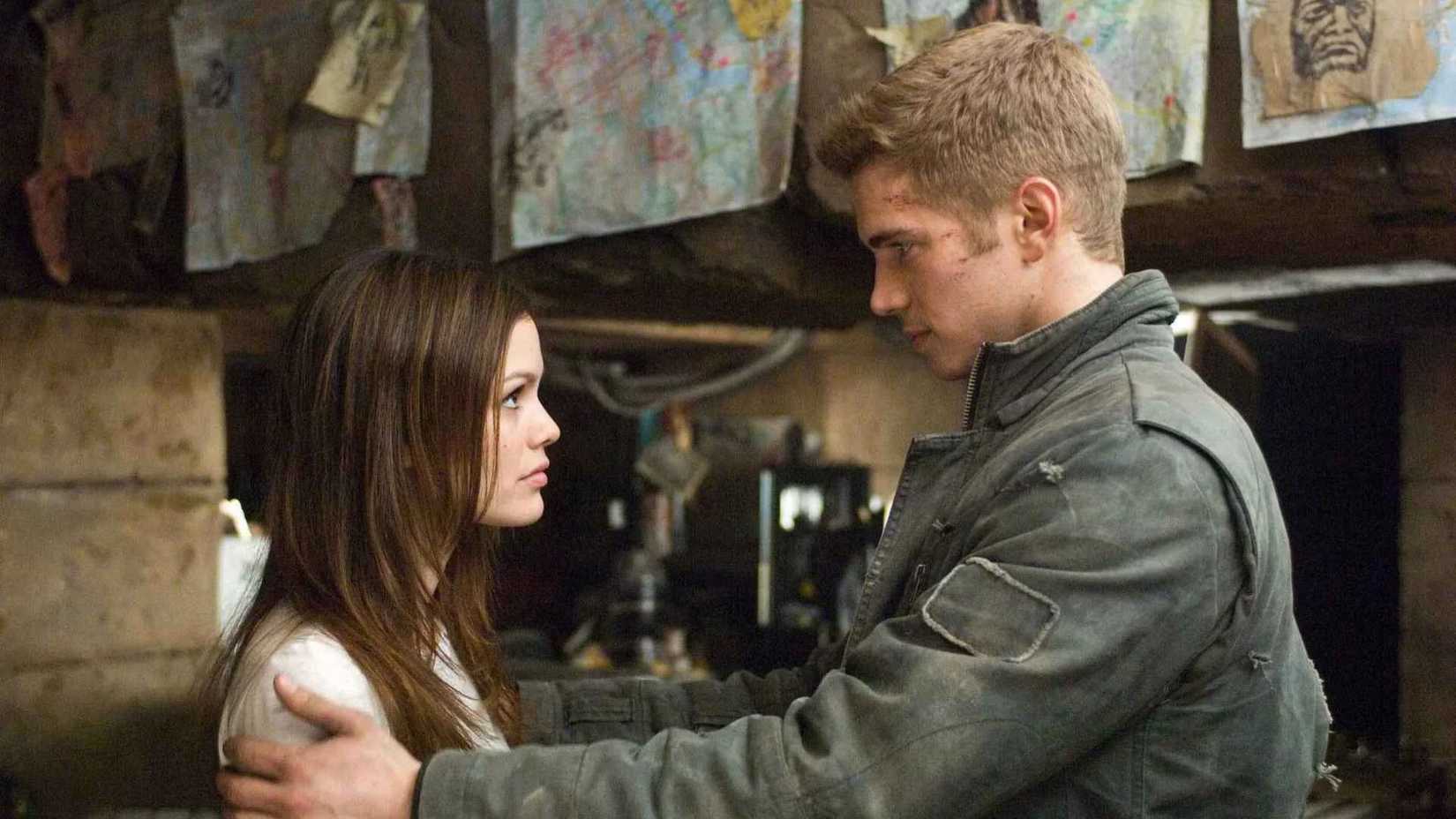
Unfortunately, Fox's confidence in the franchise potential of Jumper is probably best classed as a monumental case of destructive hubris. As Christensen revealed ahead of its release, the target was always sequels, and it impacted how Jumper was made: "This has definitely been set up in a way that will allow for more films, and Doug has been careful to make sure that he's created characters that will have room to grow."
Producer Lucas Foster even revealed that the ideas for the franchise were too grand for one movie, so everything was chopped into three pieces, to consciously hold enough material back for the sequels. Given the fact that critics took issue with the story and its pacing, that looks like a particularly damaging decision. And that included a confident cliffhanger that suggested where the battle with the villainous Paladins, led by Jackson's Roland Cox, was heading next: David stranded Cox in the Grand Canyon and escaped with the help of his mother, who was also revealed to have the same teleporting powers.
It was a huge shift in the mythology, which simultaneously set up all-out war between the Jumpers - including David’s new friend Griffin (Bell), and his girlfriend (Bilson), who was also hinted to have powers (as the sequel novel confirmed). In other words, the cliffhanger tragically set up a superior movie than Jumper itself actually delivered, and thanks to its reception, we never got to see any of it.
Obviously, fans can turn to the novels for more of David’s story, but the closest we got to a sequel was Liman revealing lost plans, including the introduction of space and time travel, and an espionage thread. Liman actually also made a spinoff series for YouTube Premium, titled Impulse, which was canceled after two seasons, but it cut Christensen and Bilson’s characters (and their in-universe daughter) entirely.
Looking back, the harsh reception of Jumper feels wildly overstated. It’s a surprisingly inventive and actually quite fun sci-fi whose worst crime is daring to aspire to be a franchise. Christensen’s performance, proclaimed wooden by bandwagon-jumping cynics who saw the sharks circling the Prequels and smelled blood themselves, is far from it, and there’s more subtlety to it than he was ever given credit for. Almost two decades later, it’s genuinely underrated, even if it’s somewhat limited, and it deserves credit for giving an excellent idea a platform.

Jumper

4/10
- Release Date
- February 13, 2008
- Runtime
- 88 Minutes
- Director
- Doug Liman
- Writers
- David S. Goyer, Jim Uhls, Simon Kinberg
KioskNews shows a cleaned-up reading view extracted from the publisher’s page — the original always lives on their site, not ours.