Why are Americans so tired so often? New CDC report highlights who is feeling it most
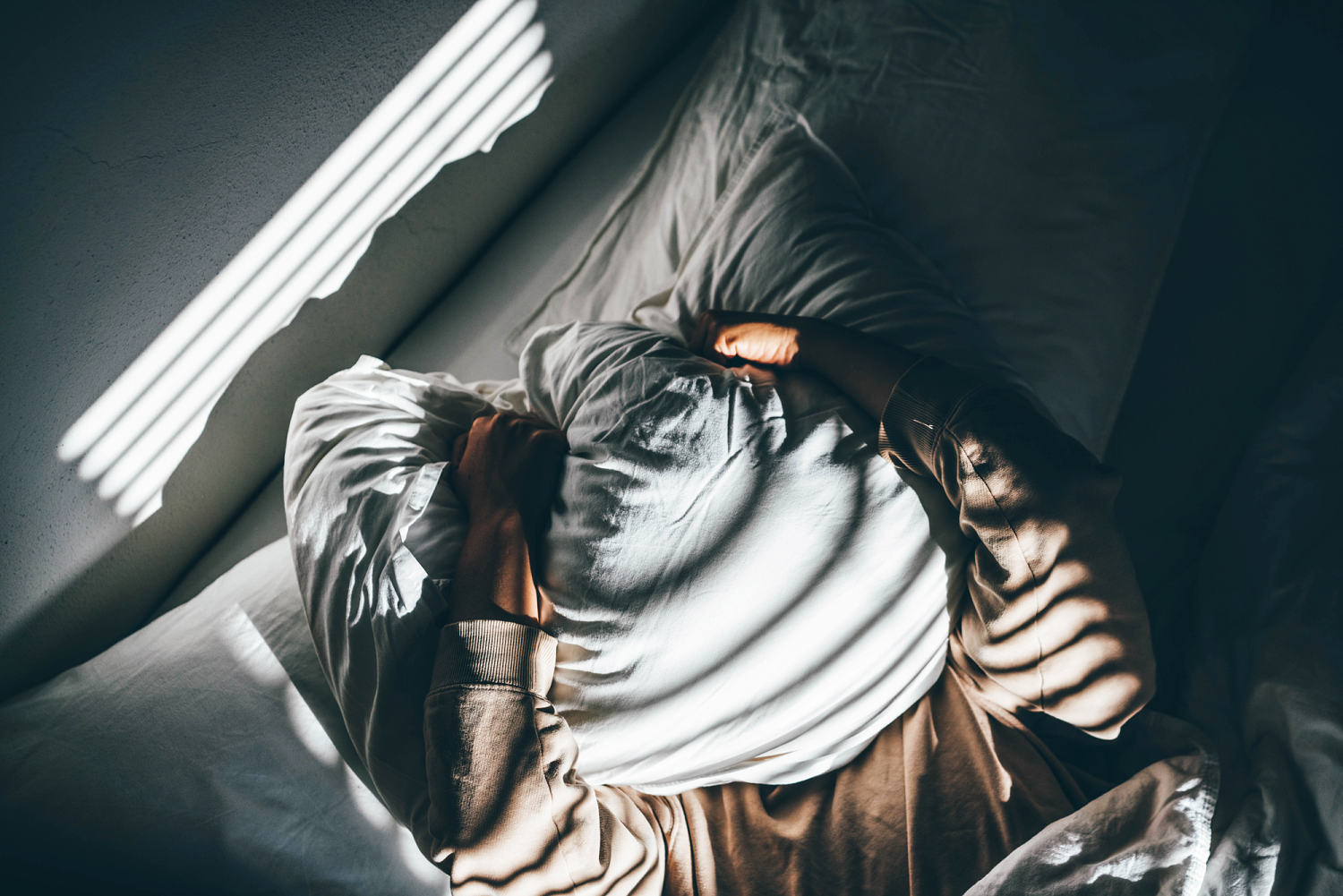
The cost of healthcare. Economic uncertainties. Fears of AI-associated end times. It’s enough to exhaust anyone.
About 71.5% of adults in the United States say they experienced fatigue on multiple days over the past three months, according to a new report from the Centers for Disease Control and Prevention’s National Center for Health Statistics (NCHS). Women and younger adults are more likely to report frequent fatigue, meaning most days or every day, than men are.
Sociologist Natalie A.E. Young, lead author of the report, said fatigue is “one of the most frequently reported health concerns in primary care visits in the U.S.” It’s the first study about general fatigue from NCHS, which surveyed about 27,000 adults ages 18 and older in 2024 about their health and daily lives.
People with fatigue “are at higher risk of activity limitations and disability, including permanent work disability. Yet there hadn’t been much attention to the frequency of general fatigue symptoms in the U.S. adult population,” Young said.
Fatigue isn’t ordinary sleepiness. It’s “physical or mental tiredness or exhaustion that does not improve with additional sleep or rest,” the researchers said. General fatigue, which is different from chronic fatigue syndrome, can be a symptom of other health problems or a side effect of medication.
Fatigue is often connected to other health problems, difficulty concentrating and limited social activities. People with symptoms of frequent fatigue were more likely to experience “co-occurring functioning difficulties,” including cognitive difficulties, depression and anxiety, said Young.
“So it’s not just that fatigue is common,” she said. “It’s that fatigue is common and those with fatigue are facing limitations in their daily lives.”
Adults who experienced frequent fatigue were more than three times as likely to have symptoms of depression and about twice as likely to report cognitive difficulties or symptoms of anxiety, compared to those who don’t experience it, the study found.
The report found that:
- Nearly 3 in 4 adults felt “very tired or exhausted” at least some days in the past three months.
- About 1 in 6 adults experienced frequent fatigue, defined as feeling very tired or exhausted “most days” or “every day.”
- Frequent fatigue was highest among younger adults, ages 18-34 years (19.5%), with the lowest rate among adults ages 65 and older (12.9%).
- Women were more likely than men to report frequent fatigue (20% versus 13%).
- American Indian and Alaska Native adults had the highest rate of frequent fatigue (25.5%), followed by white adults (18%), Black adults (17.3%) and Hispanic adults (12.9%), with Asian adults having the lowest rate of frequent fatigue (9.1%).
Living in America
Adults living in the South (17.7%) and Midwest (17.5%) were more likely to experience frequent fatigue than adults living in the West (15.6%) or Northeast (14.5%), the report showed.
The CDC survey didn’t look at underlying causes of frequent fatigue and it doesn’t indicate whether it’s worse than in previous years.
04:36
But Dr. Alana A. Lewis, a cardiologist at the Bluhm Cardiovascular Institute at Northwestern Medicine in Chicago, said the findings were “not unexpected.”
“Just living in this country, we all, at some point, feel fatigue,” Lewis said.
In the most recent “Stress in America” survey, the American Psychological Association found that a majority of adults reported feeling isolated, left out and more stressed about the future than they used to be.
Stress can cause surges in hormones like cortisol and adrenaline, which can wear a body down. That increasing stress contributes to an uptick in fatigue, said Jennifer Caspari, a clinical psychologist licensed in Denver and Vancouver, British Columbia.
“People are incredibly busy,” Caspari said. “They’re stressed. They’re feeling spread thin. They have a lot on their plates and only so many hours in the day. They’re trying to cram in so much.”
Stress can also lead to mental health issues like anxiety and depression, which can disrupt sleep, causing us to feel more tired throughout the day, Caspari said.
Women report more fatigue
More than half of women said they felt fatigue “some days,” and 20% experienced it “most days or every day.”
Caspari said chronic health issues, like autoimmune diseases, which often include fatigue as a symptom, affect women in greater numbers. Hormonal fluctuations during menstruation, pregnancy, perimenopause and menopause can also affect energy levels.
And many women in heterosexual relationships, for example, say they feel they have more responsibilities at work and home than their male partners do, which can lead to them feeling exhausted, Caspari said.
Even when tasks are evenly divided, women experience stress differently. They tend to worry more about organizing and planning and engage in more “internal dialogue” about their responsibilities.
How to deal with fatigue
Mental health, lifestyle and physical health are the “three big pillars” that can trigger fatigue, Lewis said. Heart disease, obstructive sleep apnea, anemia and thyroid issues can also be underlying causes of fatigue.
When patients complain of fatigue, Lewis asks:
- Are you getting enough sleep?
- Are you eating well?
- Are you exercising?
- Are you on your screen all day?
“Start with the basics,” said Lewis, who encourages patients to follow the American Heart Association’s Life’s Essential 8 cardiovascular health checklist.
Pay attention to your sleep and stress patterns to determine whether fatigue is a temporary issue or something that’s become more “chronic and persistent,” which could indicate a medical problem.
Learning to relax, both physically and mentally, is important, said Caspari. Take a break from never-ending to-do lists. “You’re not a robot. You only have so much energy,” Caspari said.
Passive resting, like sitting down to watch TV, is perfectly fine. Caspari also recommends “active rest,” low-intensity activities like breathing exercises and gentle stretching.
“Active rest can feel more nourishing,” she said, “and it can have a more helpful impact on the fatigue over time rather than just sitting and scrolling.”
KioskNews shows a cleaned-up reading view extracted from the publisher’s page — the original always lives on their site, not ours.