UPI charges of 0.4% to be levied on merchant transactions above ₹2,000
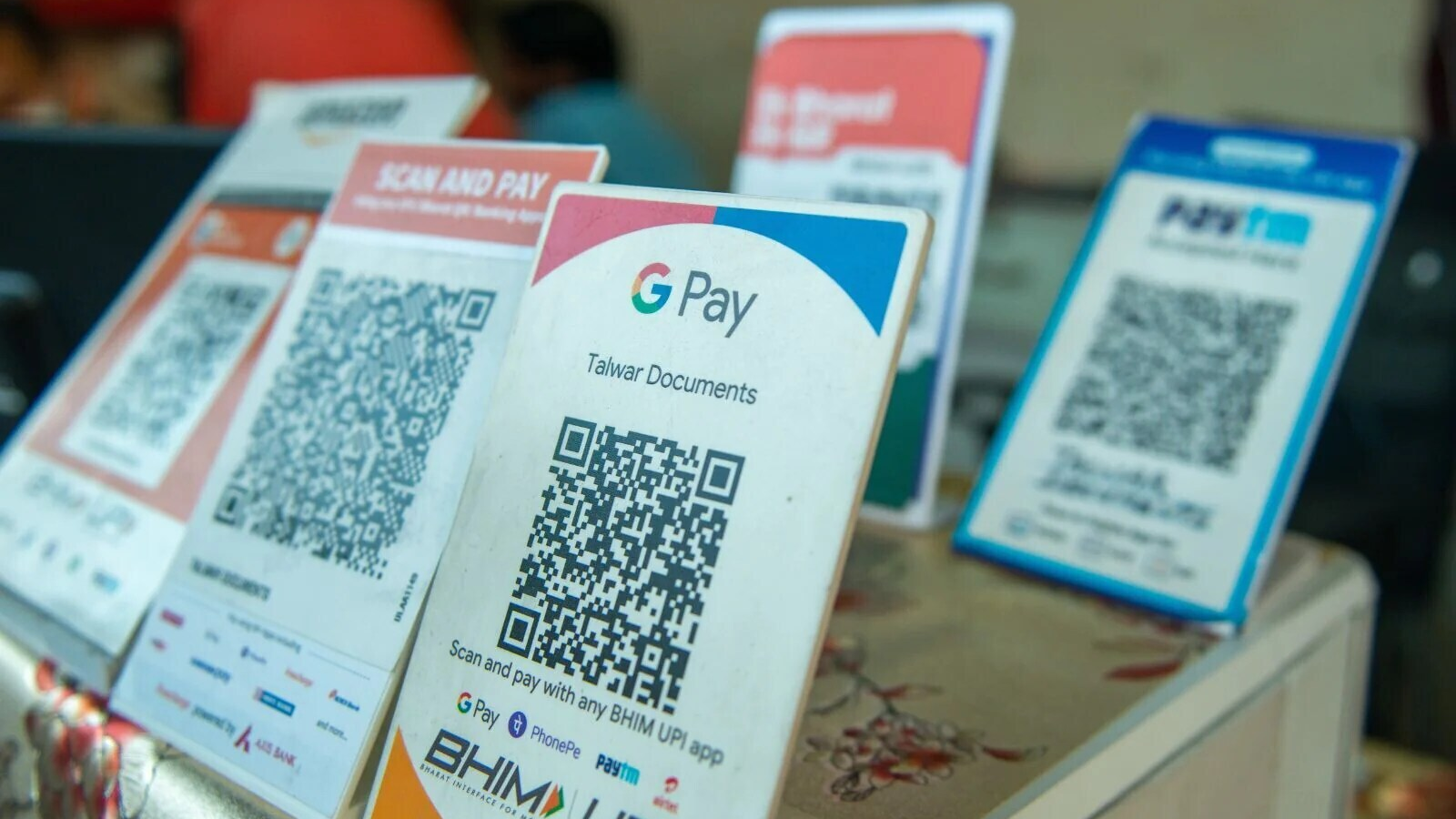
UPI payments above ₹2,000 made to merchants will attract a 0.4% Merchant Discount Rate (MDR), according to detailed guidelines issued by the National Payments Corporation of India (NPCI) on Tuesday.
This comes after the Centre had on September 14 notified that UPI transactions up to ₹2,000 will attract zero MDR.
The new rules apply only to person-to-merchant (P2M) transactions above ₹2,000. There will be no charges on person-to-person (P2P) UPI transactions, irrespective of the transaction amount.
For transactions of ₹75,000 and above, the MDR will be capped at ₹300 per transaction, according to the notification.
The 0.4% charge will be shared among banks, payment apps and other partners in the payment ecosystem.
What is MDR?
MDR is a small fee that merchants pay to banks and payment companies each time a customer makes a digital payment. A customer pays a shopkeeper through a digital payment system, and the shopkeeper pays a small processing fee to the payment provider.
While that is the norm, in reality, many pass on MDR to customers, especially in high value card transactions where it does not have the same waiver as it does in UPI.
UPI had been exempt from MDR since 2020, a policy choice meant to push India away from cash and towards digital payments. However, now, a “nominal MDR of 0.4% will be levied on P2M transactions above ₹2,000”, says the government notification.
Flat MDR, rules for P2PM transactions
Certain essential sectors, including railways, telecom, insurance and fuel, will have a flat MDR of ₹5 per transaction for payments above ₹2,000.
Payments involving mutual funds, securities, stock brokers and dealers will attract a lower MDR of 0.02%, capped at ₹300.
In huge relief for small vendors, transactions of up to ₹1 lakh a month through UPI QR codes under the Person-to-Person-Merchant (P2PM) category will continue to have zero MDR on all transactions.
“This bridges informal street vendor setups with formal merchant acquiring accounts, promoting digital adoption in the unorganized sector,” said the notification.
KioskNews shows a cleaned-up reading view extracted from the publisher’s page — the original always lives on their site, not ours.