Singapore assessing impact of new US chip export controls aimed at curbing China’s access
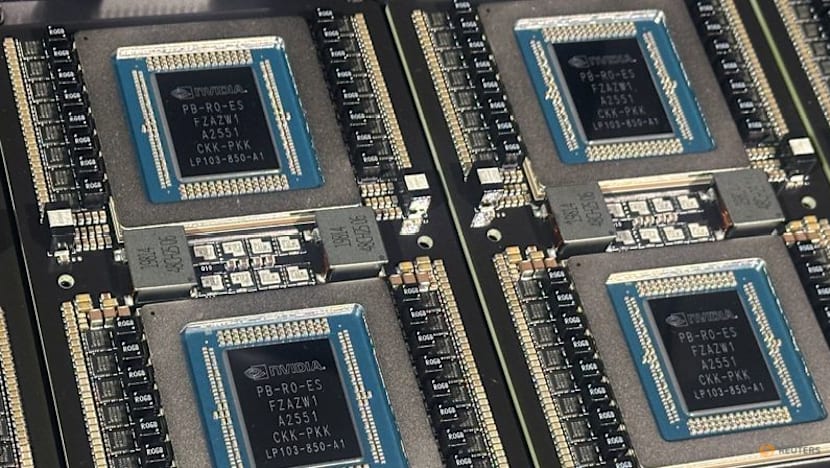
SINGAPORE: Singapore is studying the details of new export controls the United States announced for advanced semiconductors, said the Ministry of Energy, Trade and Industry (METI) and the Ministry of Digital Development and Information (MDDI) on Tuesday (Nov 17).
The US Department of Commerce had announced on Monday tighter controls on advanced semiconductor exports to certain countries, including Singapore.
Under the new restrictions, a licence will be required to export, re-export, or transfer (in-country) advanced semiconductors to Indonesia, Malaysia, Singapore, Thailand, or Brazil.
The US said the selected countries present a higher-than-normal risk of illegally diverting the chips to China.
The licence requirement will not apply to semiconductors destined for companies headquartered in, or whose ultimate parent company is headquartered in the US, provided certain reporting requirements are met.
METI and MDDI said in a joint statement on Tuesday that they were “studying the details of this new measure carefully”.
“We are engaging affected companies to understand the potential impact on their businesses," they added.
"We have also been engaging the relevant US authorities on the scope and implementation of the measure, as well as exploring how to facilitate trusted access for Singapore companies."
The move by the US comes as part of its efforts to further restrict China's access to the best AI chips from companies like Nvidia.
It also follows reports of an affair between former Nvidia CEO Jensen Huang and an executive at Singapore-based cloud company and Nvidia partner Megaspeed, which rents computing power at its data centres and has come under scrutiny for possible illegal diversion of chips to China.
MDDI and METI said Singapore takes its international reputation seriously and does not condone companies using their association with the country to circumvent or violate the laws of other countries in their international business activities, including export controls.
“As a global hub for technology and trade, Singapore will continue to safeguard the integrity of our business environment and continued access to advanced semiconductors and computing capabilities for legitimate companies operating here, and act against those who flout our laws,” they added.
MEGASPEED INVESTIGATIONS
Questions about China circumventing US export controls on advanced AI chips deepened after reports about Jensen Huang's relationship with a Chinese businesswoman alleged to be a spy for Beijing.
The controversy escalated on several fronts as allegations emerged that Jensen Huang's relationship with the woman, named Alice Huang, aided at least US$7.5 billion in Nvidia chip shipments to China.
Alice Huang is a former executive of Singapore-based Megaspeed. The company is among several firms under investigation in Singapore over suspected offences involving potential false declarations in the purchase of servers and other related offences.
Alice Huang, a Hong Kong resident, was investigated for her suspected involvement in the possible offences in Singapore, given her position as then-CEO, chairperson and one of the key controllers of Megaspeed.
She was not based in Singapore and was not investigated for espionage, Singapore authorities said.
In February 2026, after consulting the Attorney-General's Chambers, the police concluded that there was insufficient evidence to establish that she had committed any offences relating to the possible inaccurate declarations for which Megaspeed was being investigated.
However, she was barred from re-entering Singapore after the police assessed that she knowingly provided inaccurate information to downplay her role in the company during investigations.
Police investigations into Megaspeed and six other individuals are still ongoing.
KioskNews shows a cleaned-up reading view extracted from the publisher’s page — the original always lives on their site, not ours.