Tiny rainbow slug found on UK beach leaves experts stunned
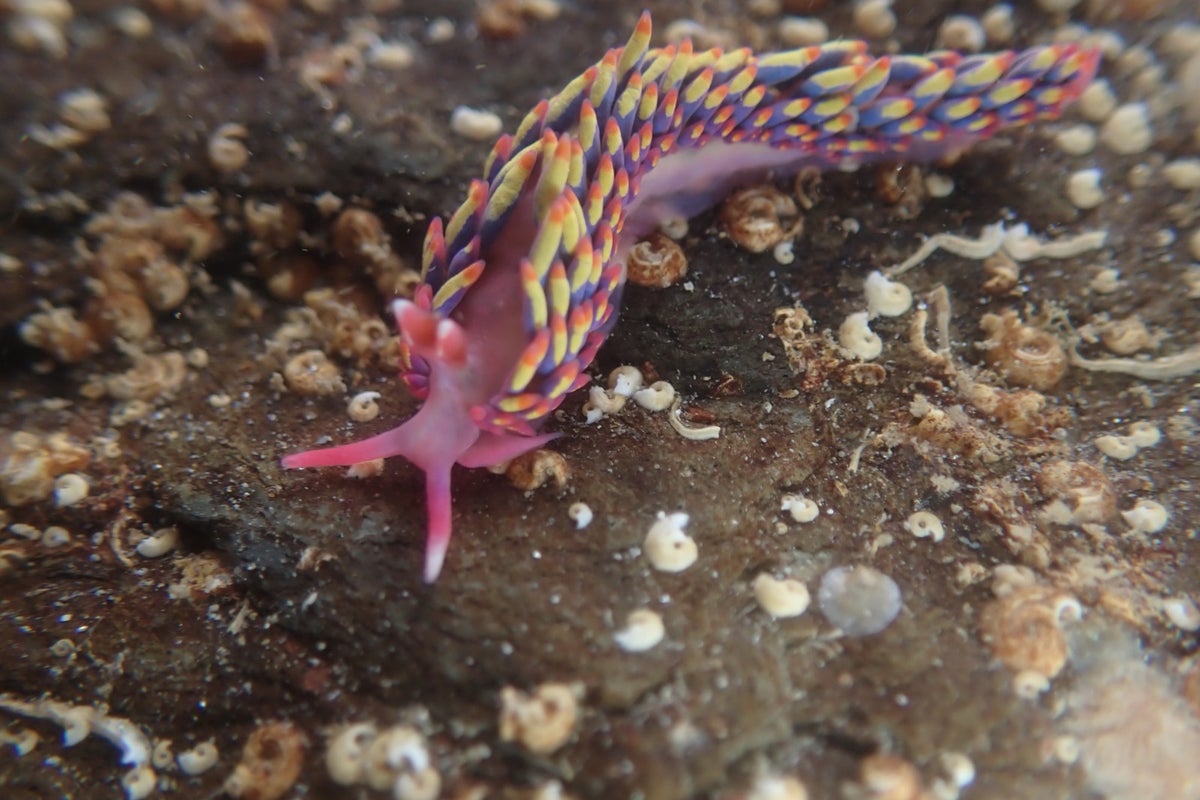
Experts have been left stunned following the discovery of an exotic rainbow slug on a British beach “due to global warming”.
Conservationists have said the find serves as an important reminder of climate change's impact.
A community marine conservation organisation – The Rock Pool Project – said the sea slug, also referred to as babakina anadoni, was discovered during an event it hosted at Porthpean Beach in Cornwall.
Rainbow sea slugs are traditionally found in warmer Atlantic waters off the coast of Spain, Portugal and France.
According to Dr Ben Holt, chief executive officer at The Rock Pool Project, while the find is exciting, it shows how much the UK's shores are changing as climate change warms waters.
He said: "Whilst this is an exciting find, it's also an important reminder of how much our shores are changing.
"We must continue to track these changes to understand the effects of climate change on UK marine life."
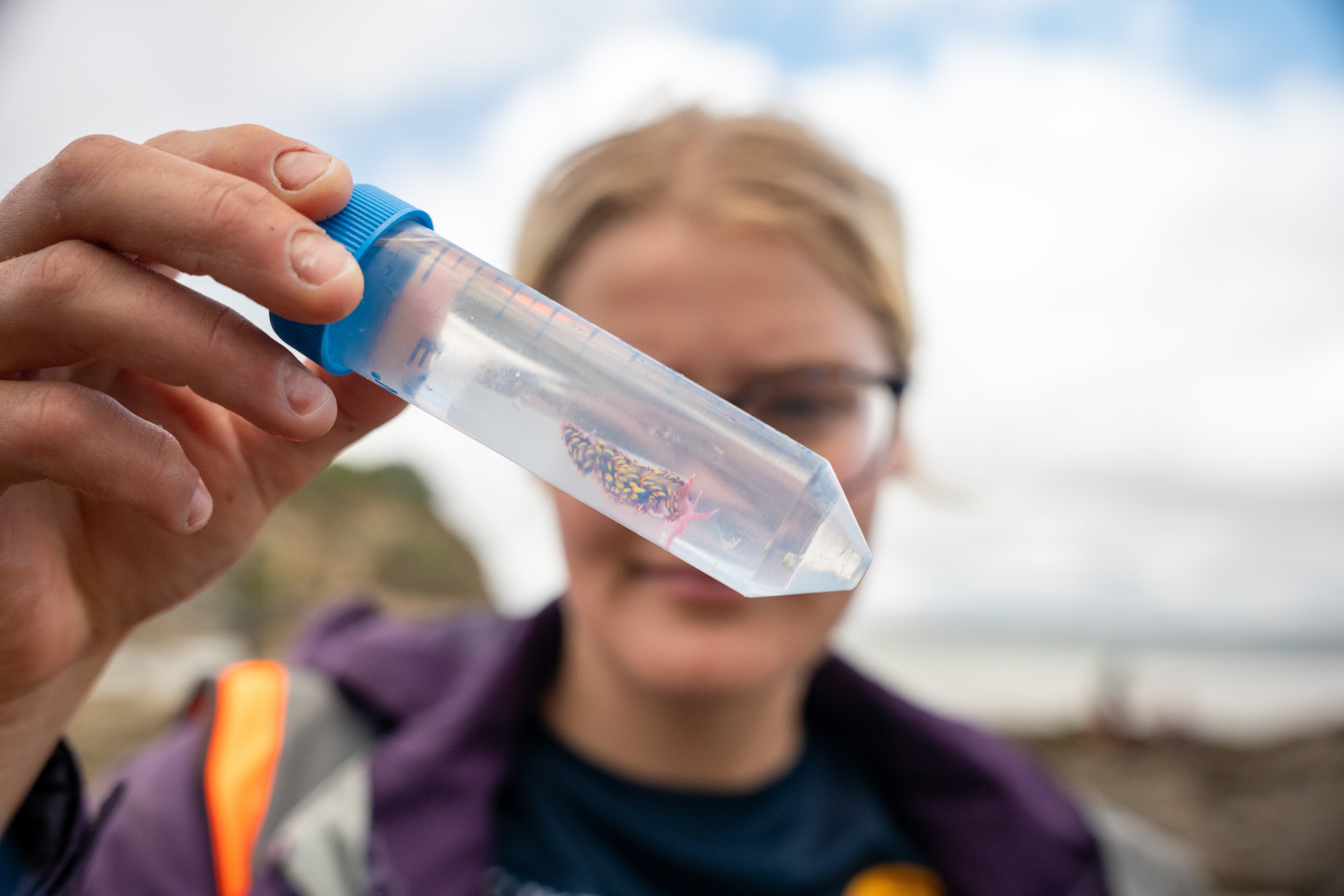
Luke Galpin, who discovered the rainbow sea slug during the Rock Pool Project event, said it was a surprise to find it.
"I wasn't expecting to find one, I hadn't seen many sea slugs at all over the summer," he said.
"But its unmistakable colour popped out at me the moment I flipped the rock over.
"It was tiny, about the size of my thumbnail, and in my excitement, I shouted for everyone else to come and have a look."
"This rainbow sea slug is a vivid reminder that our shores still hold hidden wonders, waiting to be found by anyone willing to look closely," added Melanie Hill, of ScottishPower Foundation, which part-funds the Big Rock Pool Challenge.
"This is exactly the kind of project we seek to support – one that combines science, education, and community spirit to help protect Britain's changing shores for future generations."
It comes after a tiny brightly-coloured sea slug spotted off Devon was hailed as a brand new species in August.
Diver Maggs Ashton discovered the striking orange, purple and white nudibranch while exploring a shipwreck off Lundy.
Measuring just 0.6 inches long, the mysterious creature was found around 65ft underwater among the wreckage of the MV Robert, which sank in 1975.
Marine naturalist Bernard Picton said the discovery was significant and believed the animal was likely to be a species never formally identified before.
Maggs said the colourful sea slug immediately caught her eye despite its tiny size.
She said: “I was just swimming along and not really looking that carefully when I suddenly saw it.
“It just stood out, and I’d never seen anything like it before in my 29 or 30 years of diving – it was really special.”
KioskNews shows a cleaned-up reading view extracted from the publisher’s page — the original always lives on their site, not ours.