Pet parents and the new culture of consumption — Nurul Fardini Zakaria
SEPTEMBER 20 — “Pet parent” is a term that has become increasingly familiar in everyday conversations. It describes people who see their pets as more than animals in the household and who take an active role in their care, comfort and wellbeing. The term may sound simple, but it reflects a relationship that is becoming increasingly emotional and personal.
The growing use of the term “pet parent” reflects a broader change in how many Malaysians view their companion animals. Pets are increasingly seen not merely as animals kept at home, but as companions that receive attention, care and a meaningful place in everyday family life.
That relationship is also changing the way people consume. What a pet parent chooses to buy is not always about necessity. Food, healthcare, grooming, toys, accessories and other services can carry a deeper meaning when they are connected to someone we care about. A purchase that may once have been considered ordinary can become a way of expressing affection, responsibility and concern for a pet’s wellbeing.
This is where the idea of pet parenting becomes interesting from a consumer behaviour perspective. The things we buy are often influenced by how we feel, what we value and the relationships that matter to us. When those emotions enter the shopping decision, consumption takes on a different meaning and the question of value becomes more personal.
When love influences what we buy
Consumer decisions are not always as rational as they appear. Price and quality remain important, but emotions can quietly influence the final choice, particularly when the purchase is connected to someone or something we care about.
For pet parents, the question may not simply be whether a product is affordable or useful. It can also be whether it offers better care, greater comfort or something that feels worthwhile for their pet. A purchase can therefore become an expression of responsibility, with spending a little more feeling justified when the decision is associated with providing better care.
The value of a product is no longer determined only by what it does. It can also depend on what it represents to the person making the purchase.
The social media effect
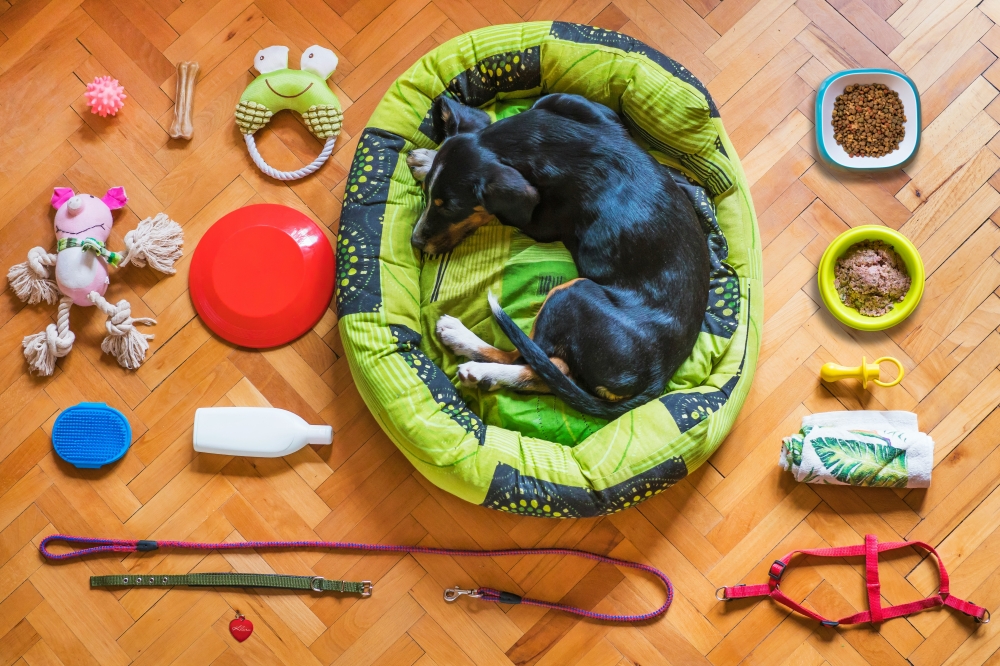
The growing role of pets in family life is also changing how people consume, with purchases increasingly shaped by affection, responsibility and perceptions of good care. — Unsplash pic
Social media has made pet parenting more visible than ever. People can now see how others care for their pets, what they buy and the lifestyles they create around them. This constant exposure can influence expectations, particularly when certain products, services or routines appear repeatedly in online content.
Over time, something that was once seen as optional can begin to feel like a normal part of being a responsible pet parent. Seeing what others provide for their pets may encourage people to explore new products and services, but it can also create a sense that they should be doing more.
This is where social influence becomes part of consumption. What people see others doing can shape what they consider necessary, desirable or worth paying for.
When marketing meets emotion
This changing behaviour has not gone unnoticed by businesses. The pet market has expanded beyond basic necessities, with products and services increasingly built around comfort, wellbeing, convenience and lifestyle. For marketers, the emotional relationship between pet parents and their pets creates an opportunity to communicate with consumers at a more personal level.
A product can be presented as a way to provide better care rather than simply as something to buy. The message becomes less about the product itself and more about the kind of care the consumer wants to provide. This changes the way value is communicated because a product may be seen as more meaningful when it is connected to affection, responsibility and wellbeing.
Marketing, in this sense, does more than respond to consumer needs. It can also influence how consumers understand those needs and what they believe represents good care.
When good care becomes a standard
As the market grows, pet parents are exposed to more choices and more ideas about what good care should look like. Some of these choices may genuinely improve wellbeing, while others may simply add to the list of things consumers feel they ought to buy.
The distinction matters because responsible consumption requires consumers to separate genuine needs from products or services that are simply attractive or heavily promoted. A more expensive choice is not automatically a better expression of care, just as a simpler choice does not mean that someone cares less.
Businesses also have a role to play in this process. Marketing can inform and inspire consumers, but it should not make people feel inadequate because they cannot afford every product or service available. When emotional attachment becomes part of the selling process, there is also a responsibility to ensure that affection is not turned into guilt.
A new culture of consumption
The rise of pet parents reflects a wider change in consumer behaviour. People increasingly attach emotional meaning to what they buy, particularly when their purchases involve relationships that are important to them. The pet market provides a clear example of how consumption can become connected to identity, affection and responsibility.
For businesses, understanding this emotional dimension can lead to more meaningful marketing. At the same time, understanding consumers means recognising that not every emotional need has to be answered with a purchase.
Perhaps the real question is not how much we spend on our pets, but how easily love can influence what we are willing to buy.
* Nurul Fardini Zakaria is a senior lecturer in Marketing at the School of Business Management, Universiti Utara Malaysia, with expertise in consumer behaviour, digital marketing, sustainable consumption and consumer welfare.
** This is the personal opinion of the writer or publication and does not necessarily represent the views of Malay Mail.
KioskNews shows a cleaned-up reading view extracted from the publisher’s page — the original always lives on their site, not ours.