NDR 2026: November BTO demand could rise with higher income ceiling; but resale market impact limited, say analysts
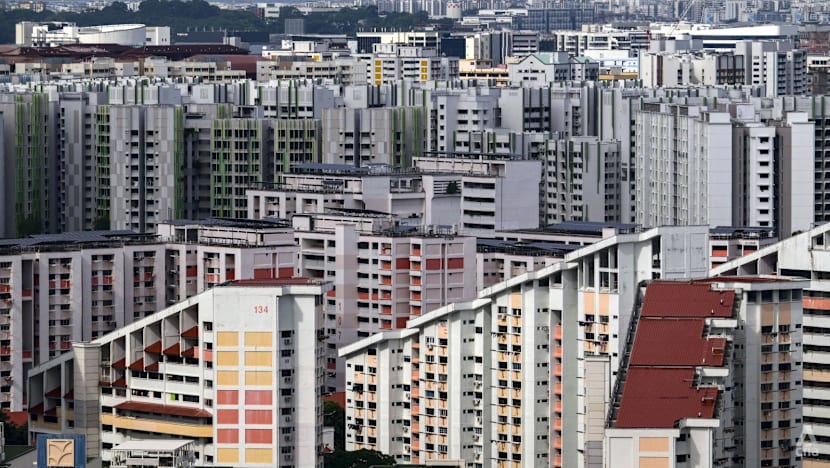
The changes may not necessarily draw buyers away from the HDB resale market, analysts said.
New: You can now listen to articles.

This audio is generated by an AI tool.

23 Aug 2026 11:51PM (Updated: 23 Aug 2026 11:52PM)
SINGAPORE: A higher monthly household income ceiling for Build-to-Order (BTO) flats could boost demand in the upcoming November exercise due to the wider pool of eligible buyers, analysts said on Sunday (Aug 23).
However, the change may not necessarily divert buyers from the resale Housing and Development Board (HDB) market, they added.
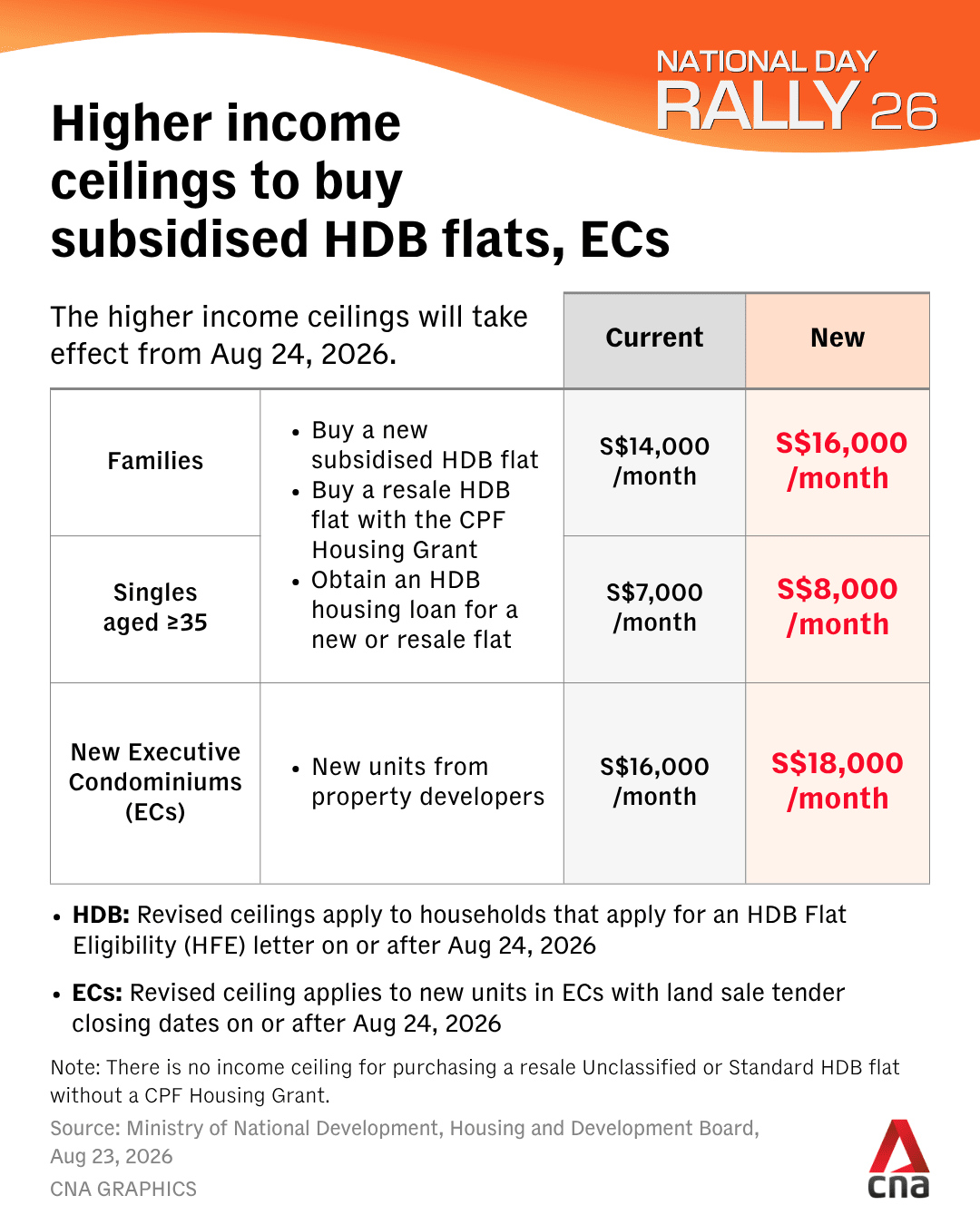
Prime Minister Lawrence Wong announced at the National Day Rally that the income ceiling for new subsidised HDB flats will rise from S$14,000 (US$11,000) to S$16,000 to ensure that the vast majority of Singaporeans can continue to access subsidised public housing.
Correspondingly, the income ceiling for eligible single HDB home buyers aged 35 and above, will also be raised from S$7,000 to S$8,000.
CEO of Propnex Kelvin Fong said raising the monthly household income ceiling helps public housing keep pace with income growth.
“The higher income ceiling will expand the pool of households eligible to purchase new BTO flats, allowing more middle-income families to access subsidised housing.
“This comes against the backdrop of HDB's sustained ramp-up in BTO flat supply over the past few years. We expect that this policy change could boost demand for new flats with possibly stronger interest for well-located BTO projects,” he said.
The median monthly household income in Singapore rose to S$12,446 last year, up from S$11,558 the year before, an increase of 6.8 per cent after adjusting for inflation.
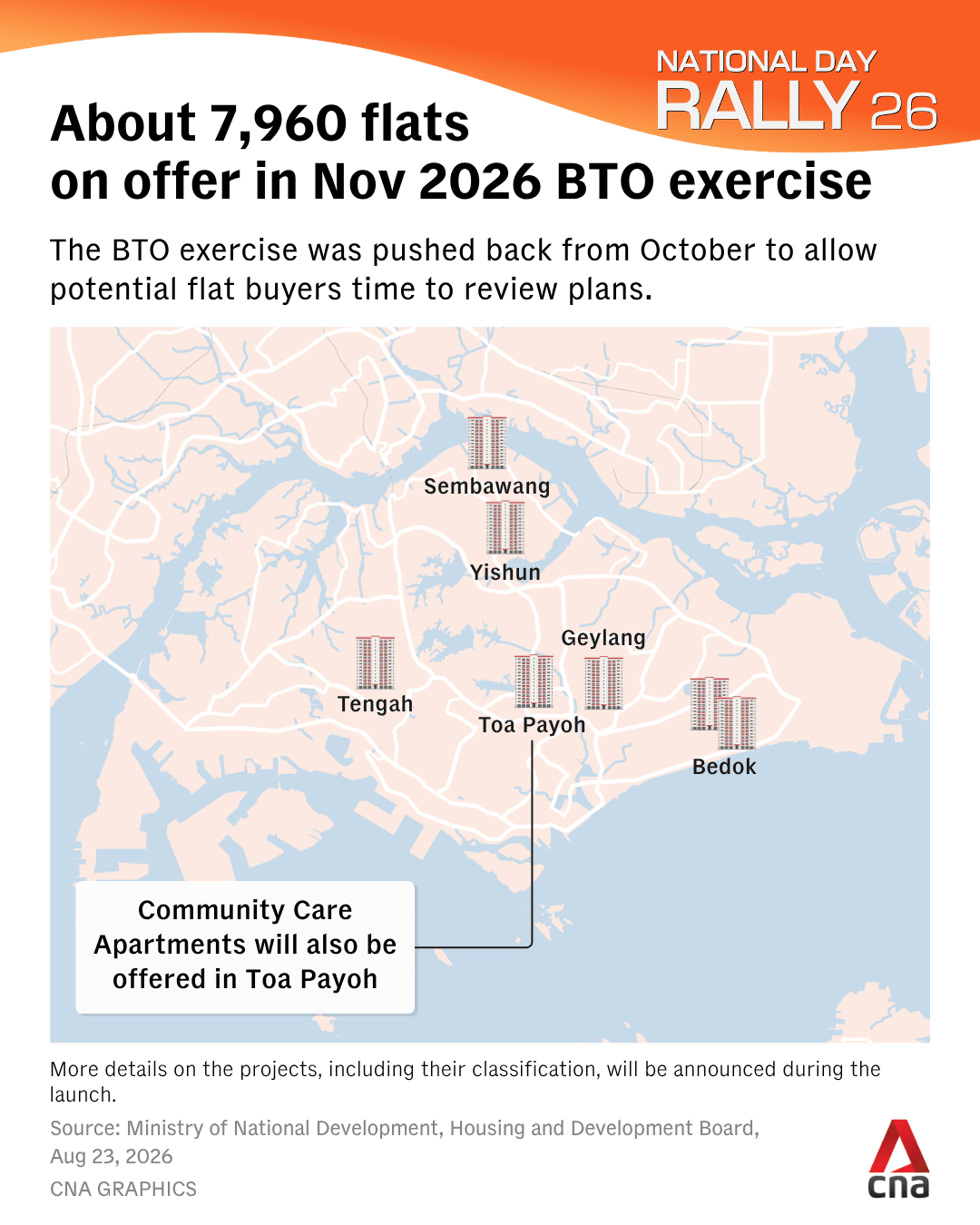
To give potential flat buyers sufficient time to review their housing plans and apply for an HFE letter under the revised ceilings, the next Build-to-Order (BTO) sales exercise will be held in November instead of October.
Mr Lee Sze Teck, senior director of data analytics at Huttons Group, said the application rate for the upcoming exercise may fall between 3.5 and 4.0 – higher than the rate of 3.4 in the June exercise.
In November, HDB will offer around 7,960 BTO flats across seven projects. Among these, the two projects at Bedok and another project at Toa Payoh are likely to be more popular, he said.
He estimated that the application for a 4-room flat in Toa Payoh among first-timers may be between 3 and 4 due to the large number of flats, while the application rate among first-timers for each 4-room flat in Bedok may be between 2 and 3.
If demand in November increases “much more than expected”, BTO supply in 2027 should be higher, he added.
With the increase in income ceiling, households could potentially obtain a bigger loan from HDB, allowing them to have a larger budget for their purchase, said Mr Marcus Chu, CEO at ERA Singapore.
“The increase in maximum loan amount will also allow families to pay less cash for their HDB flat. As a result, households will have more liquid funds for renovations, stamp duty, and other housing expenses, easing their financial burden,” he said.
IMPACT ON RESALE MARKET
Analysts said the raised income ceiling might not necessarily divert significant demand away from the resale HDB market.
Propnex’s Mr Fong said BTO and resale buyers typically have different priorities, with resale flats appealing to those who need move-in ready homes or a preference for specific locations.
“The resale market also serves a wider pool of buyers, including singles seeking a larger flat and permanent residents, which should continue to underpin resale demand.
“Hence, from a market perspective, we do not expect the policy revision to exert significant impact on the HDB resale market,” he said.
The HDB resale market has shown signs of stabilising following several years of strong price growth. HDB resale prices have fallen for two consecutive quarters since the start of the year.
Huttons’ Mr Lee said the revision in income ceiling for BTO flats may potentially siphon demand from the resale market as these higher-income first-time buyers have more options.
However, some first-time buyers, including those with a higher income, may still apply for the CPF Housing Grant to buy a resale flat, providing some level of support to the resale market, he added.
Mr Nicholas Mak, chief research officer at Mogul.sg, said whether the raised income ceiling will eventually lead to cooler demand in the HDB resale market will depend on the supply of BTO flats.
“If the government does not raise the supply of BTO flats, including those in the popular estates, then some buyers will eventually return to the HDB resale market,” he said.
HDB said in January that it would launch 19,600 flats this year. It added that it remained on track to offer about 55,000 flats from 2025 to 2027 to meet sustained housing demand.
EXECUTIVE CONDOMINIUMS
For executive condominiums (ECs), the income ceiling will rise from S$16,000 to S$18,000.
Mr Mak said an increase in the eligibility income ceiling for primary EC buyers, or those who buy from the developers, will typically raise the demand for this housing type.
The government in May implemented policies that may curb demand for EC projects that are affected by the new policies, he said.
For all EC Government Land Sales (GLS) sites with tender closing dates on or after May 8, the minimum occupation period (MOP) will be raised from five years to 10 years, and the deferred payment scheme will be removed.
“I believe that the effects of the curbs on the demand for EC units are stronger than that of the increase in income ceiling.
“Just like the introduction of the HDB classifications of Prime and Plus flats with the 10-year MOP had moderated the demand for these flats in the popular locations, the tighter EC market restrictions could bring some stability to the EC primary market and improve housing affordability,” he said.
Five new projects that are not affected by the new curbs will be launched by developers in the next 18 months. Mr Mak said the developers will benefit from the new higher income ceiling and may raise their launch prices.
Propnex’s Mr Fong said the higher income ceiling should enlarge the pool of eligible buyers and support demand alongside recent EC policy changes, which will see 90 per cent of units reserved for first-time buyers for the first two years after launch.
“However, the ability to translate a broader demand pool into stronger sales will still depend on keeping the overall price quantum within the purchasing power of prospective buyers,” he added.
BALLOT CHANCES
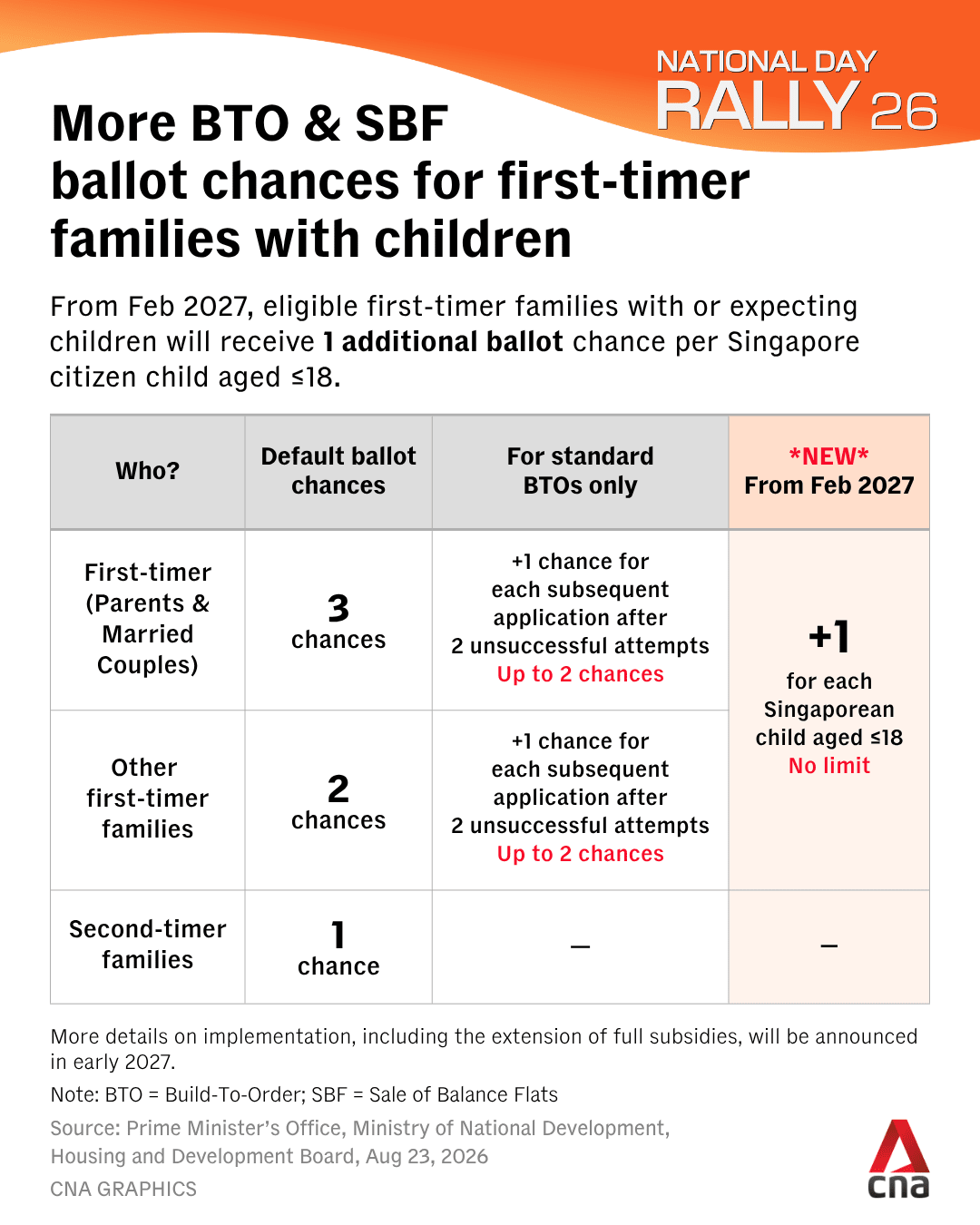
Additionally, the prime minister announced that first-timer families with or expecting children will get additional ballot chances from February next year.
Ms Christine Sun, chief researcher and strategist of Realion (OrangeTee & ETC) Group, said
the greater priority to families, especially those with children, will help more families secure their homes earlier.
“By providing housing stability early, alongside other parenthood and marriage policies, this could accelerate the child-bearing years for many young couples, which will in turn help to improve our country's population numbers,” she said.
However, she noted that the increased ballot chances may not have a big impact on the market since the number of people affected may not be large.
Anecdotally, many current applicants usually utilise the fiancé-fiancée scheme, while others could be students or national servicemen.
“Moreover, as the priority scheme for first-time families was implemented some time back, I think many would already have applied and successfully obtained a new flat,” she said.
KioskNews shows a cleaned-up reading view extracted from the publisher’s page — the original always lives on their site, not ours.