Hong Kong urged to look beyond university rankings to attract international students

Leaders of top British universities have urged the city to look beyond institutional rankings in its “Study in Hong Kong” campaign, warning that attracting and keeping top overseas talent requires government-backed career incentives and clear post-study visa pathways.
The university leaders also pushed back against fears that artificial intelligence (AI) is devaluing higher education, arguing that campuses must shift away from routine essay-writing to a focus on collaborative problem-solving and honing students’ critical judgement.
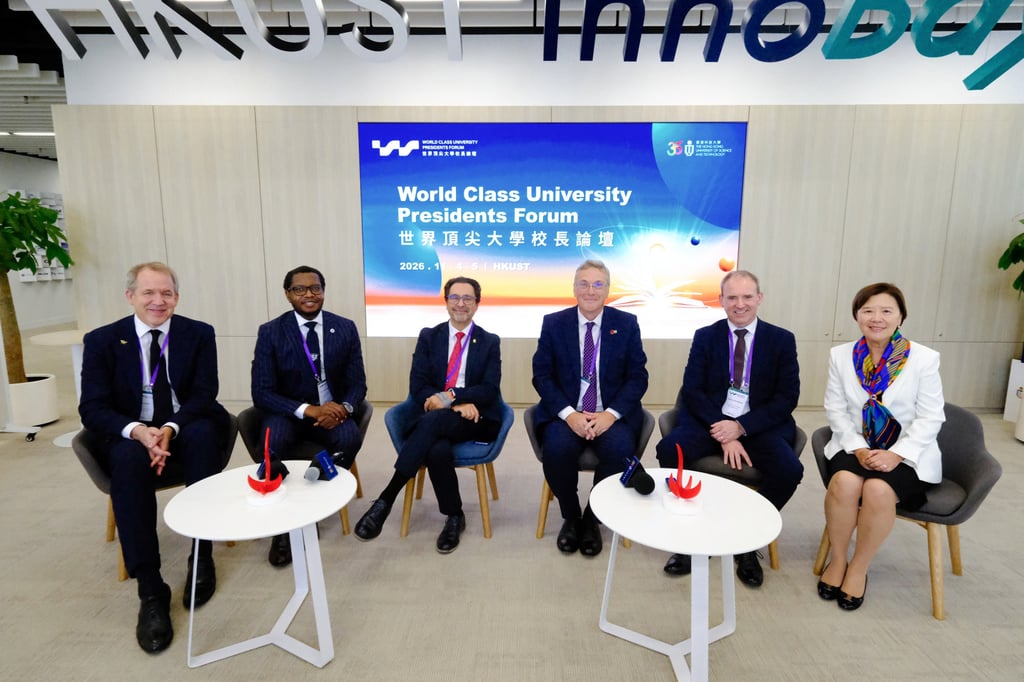
Three presidents of British universities who visited Hong Kong last week for the World Class University Presidents Forum spoke to the South China Morning Post.
Their remarks came as publicly funded universities planned to organise more than 160 recruitment activities overseas and in mainland China during the current academic year to attract international students, echoing the “Study in Hong Kong” campaign launched in 2024 to develop the city into a global hub for education.
The government set a target to increase the number of non-local students enrolled in full-time, locally accredited post-secondary education programmes in Hong Kong to 100,000 by the 2029-30 school year, 25 per cent more than the 79,800 non-local students who studied in the city in 2024-25.
The Hong Kong government often boasts of the city having five of the world’s top 100 universities and performing consistently well in global rankings.
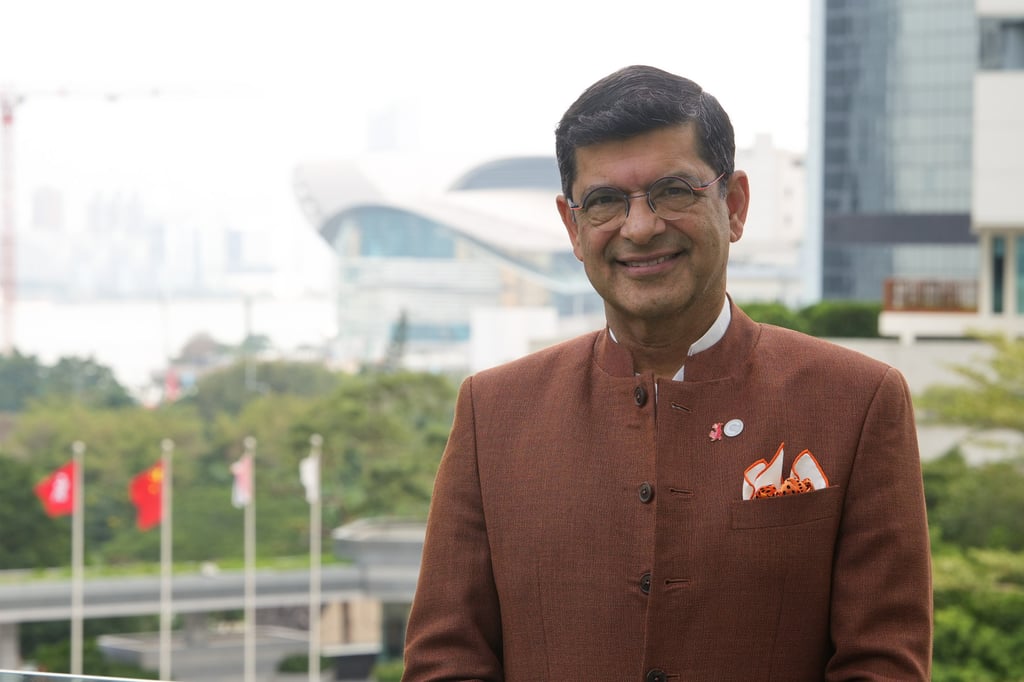
Shitij Kapur, president of King’s College London and chair of London Higher, which represents London’s universities and colleges, said that having great universities was only one of several important factors families consider when weighing different international education destinations.
“Hong Kong now has some world-leading universities. Hong Kong to everyone is also seen as a safe place. Hong Kong teaches in English. So, all of those things, Hong Kong is very competitive,” he said.
“To become attractive to international students, you don’t just need great universities. You need some other factors that families use in deciding where their children should go to study.”
Kapur added that affordability, a welcoming environment and post-study career pathways, including visa policies, also influenced students’ choice of study destination.
“The affordability of not just the fees but of living in the city and the ease of residence. Because after all, if a student is going to travel, they have to come and find a new place to live here,” he said. “They’re not living with their family. So, student residence and affordability are important considerations.”
According to Kapur, post-study work rights were another decisive factor, as students wanted to return home with practical, multinational corporate experience.
“Can the students stay after their studies to be a part of the economy to gain experience? Because otherwise, you just leave with a degree. But if you can leave with a degree and experience, ideally in a multinational corporation, so that then you can go back to your country with not just a degree but a multinational experience,” he said.
There are about 170,000-190,000 international students in London, which ranked third globally in the QS Best Student Cities 2027. Hong Kong was 17th in the ranking, which reflects how well a city balances academic quality with liveability, diversity, economic opportunities and overall student experience.
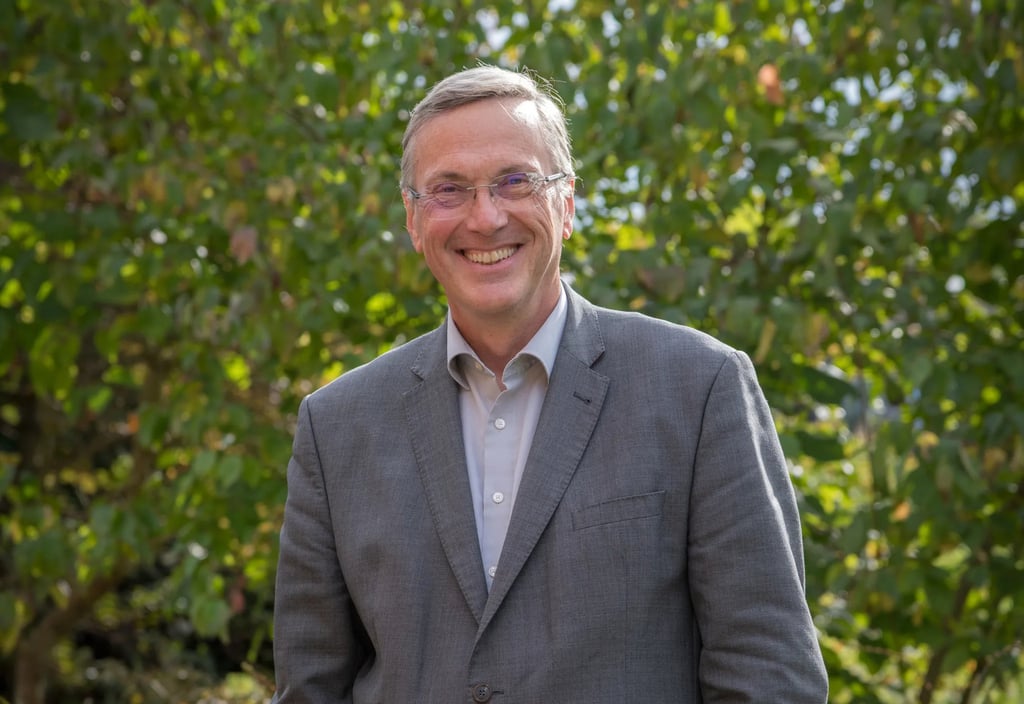
Stuart Croft, vice-chancellor and president of the University of Warwick, said that although top universities naturally attracted talent, pushing the campaign forward required the government to step up with retention incentives.
“[Good universities] are really good at attracting great talent. It’s then up to governments whether they allow them to stay, whether they give them incentives to stay, because great talent can move,” he said.
Currently, Hong Kong’s Immigration Arrangements for Non-local Graduates (IANG) scheme allows eligible degree holders to stay in the city for up to 24 months without a prior job offer, permitting unrestricted local employment and paving a path to permanent residency.
Duncan Ivison, president and vice-chancellor of the University of Manchester, said that apart from drawing students, Hong Kong could also attract international scholars through initiatives such as InnoHK, which signalled strong support for international partnerships.
“A really clear signal from the Hong Kong government that they want global universities to be working with Hong Kong universities to contribute to the government’s vision,” he said.
With mainland Chinese students making up more than 70 per cent of non-local undergraduates, Kapur warned that having such a dominant demographic profile risked making a destination look insular to prospective applicants abroad.
“If you have a dominant customer of one profile, in some sense, it takes away from looking international. Because to the outsiders, it seems that this is a place only for people from mainland China,” he said.
On the impact of artificial intelligence on universities, Kapur said the tertiary sector had to redefine what learning meant and should regard AI as a cognitive analytical partner in education.
“AI turns it upside down. So, we can’t just worry about our students going to use AI to cheat because that would be missing the point,” he said.
“Rather than a simple lecture and after that a workshop and a seminar and an essay, what it may now mean is that in fact the class begins with the problem.”
Students at universities should work more in teams and try to solve problems, Kapur added.
“The mode of assessment changes from marking an essay to actually presentations as a group. So, more studios, more labs. More presentations, more working in teams, because those will be the qualities that will be needed when they leave.”
Croft said that AI could not replace universities in training leaders to solve problems, noting that universities must look beyond traditional licencing to solve concrete corporate problems through laboratories.
“We’re not just giving education, we’re not just giving information, we’re training people to be leaders in different fields,” he added.
KioskNews shows a cleaned-up reading view extracted from the publisher’s page — the original always lives on their site, not ours.