Pan Borneo Sabah delays stem from multiple factors, not one party, says projects chief inspector
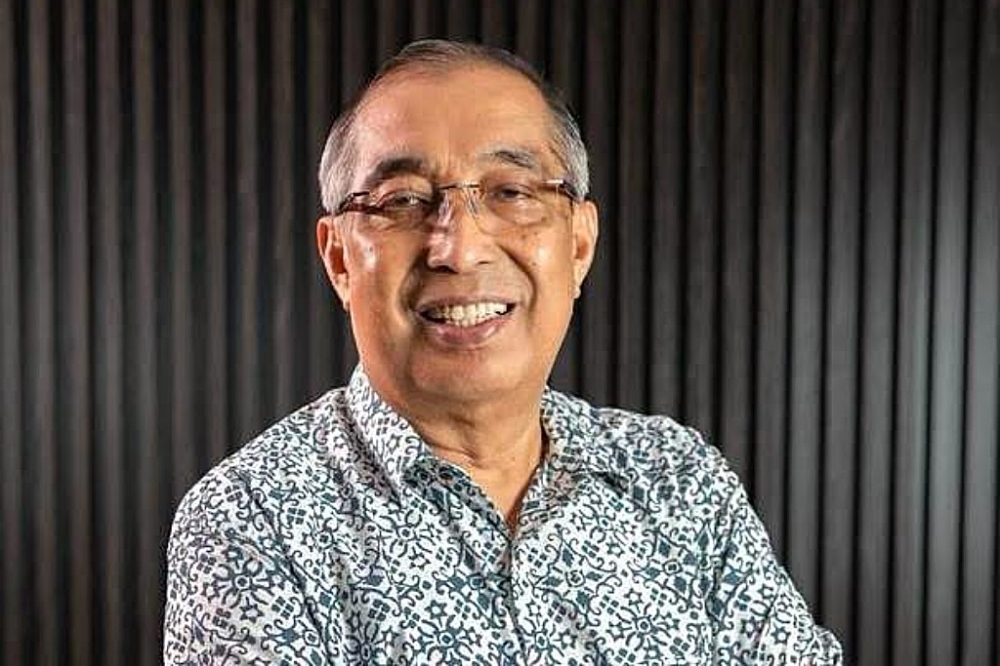

Datuk Seri Salleh Mohd Said Keruak said it was unfair to place the entire blame on the Sabah government, stressing that the completion of the long-awaited highway required closer cooperation among all parties involved. — The Borneo Post pic
First Published: Friday, 16 Oct 2026 9:40 AM MYT
KOTA KINABALU, Oct 16 — Delays in the Pan Borneo Sabah Highway Phase 1A project cannot be attributed to any single party, with technical, administrative and financial challenges all contributing to the slow pace of implementation, said Datuk Seri Salleh Mohd Said Keruak.
The Chief Inspector of Projects Sabah said it was unfair to place the entire blame on the Sabah government, stressing that the completion of the long-awaited highway required closer cooperation among all parties involved.
He said more than 70 per cent of the project involved upgrading existing Federal roads from two lanes to four, a process complicated by land acquisition, buildings, residential areas and the relocation of utility infrastructure.
“These are not straightforward works.
“They require careful planning, coordination and technical assessment to ensure that construction can proceed without further complications,” he said in a statement.
Salleh identified changes to the original designs that did not fully reflect actual site conditions as one of the main factors contributing to delays.
He said such changes required detailed scrutiny and coordination among consultants and technical experts appointed by the Works Ministry (KKR).
The process was further complicated when design modifications resulted in additional costs, which required technical assessments and financial approval from KKR and the Finance Ministry (MOF).
He said lengthy approval processes had also affected the smooth implementation of the project.
To prevent similar delays from recurring, Salleh called on KKR and MOF to establish a clearer and faster approval mechanism, particularly for variation orders (VOs) and adjustments to financial limits.
He said the mechanism should be incorporated into the original contracts or formalised through supplementary agreements to ensure that necessary changes could be approved more efficiently.
“Faster and clearer approval processes are essential to prevent administrative and financial bottlenecks from holding up work on the ground,” he said.
Salleh stressed that the project involved shared responsibilities among the Federal and Sabah governments, consultants, contractors and utility companies.
Each party, he said, should be assessed according to its respective authority and responsibilities rather than allowing one party to become the sole target of criticism.
“The people of Sabah do not need a culture of blaming one another. They want to see this highway completed,” he said.
He said the priority should be to strengthen cooperation, expedite decision-making and improve the efficiency of approval processes to ensure the project progressed without unnecessary delays.
“What matters now is reducing delays, accelerating implementation and completing the project for the benefit of the people of Sabah,” he said.
Salleh said all parties needed to focus on practical solutions and fulfil their respective responsibilities to ensure the highway could be completed as efficiently as possible. — The Borneo Post
KioskNews shows a cleaned-up reading view extracted from the publisher’s page — the original always lives on their site, not ours.