India says Xiaomi, Flextronics hid royalty deals in tariff fight
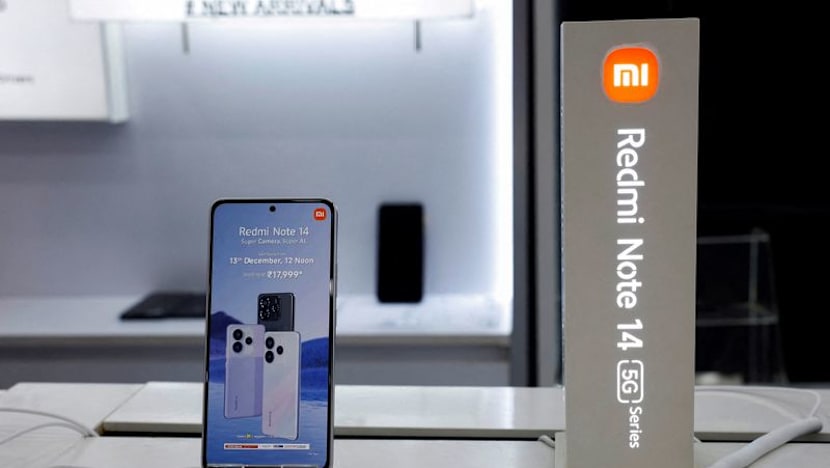
NEW DELHI, Nov 17 : Xiaomi India and its former contract manufacturer Flex did not fully disclose Xiaomi's royalty deals until Indian investigators stepped in, the government said in court filings as it seeks back taxes from the Chinese smartphone maker in a closely watched case.
The dispute, which could cost Xiaomi's India unit more than $150 million, is seen as a test of how India views dealings between companies and their contract manufacturers, a sector which has attracted the likes of Foxconn, Jabil and Tata Electronics to expand their operations.
Xiaomi, which holds about 12 per cent of India's smartphone market, is facing multiple regulatory challenges. In addition to tax demands, India's Serious Fraud Investigation Office has proposed a probe into alleged irregularities in its business model, Reuters has reported. Xiaomi has not commented on the proposed investigation.
The royalty dispute stems from a Supreme Court challengeXiaomi filed in January against an Indian tribunal ruling that found it had underpaid duties in three years before 2020 by excluding royalties paid to technology partners from the value of imported phone components.
Xiaomi holds the view that components are imported by its contract manufacturers, and royalty payments of 2-5 per cent are separate and do not attract tariffs.
In a September 21 filing seeking dismissal of Xiaomi's challenge, the Indian government said the Chinese company "knew the licensing arrangements under which it made the royalty payments and failed to make the required complete disclosure."
The filing said Xiaomi provided the licensing agreements only after the investigation began, which the government cites to support its demand for recovery of unpaid taxes and penalties.
Xiaomi and Indian tax authorities did not respond to Reuters queries on the filing, which is being reported for the first time.
INDIA CHALLENGES FLEX
Earlier this year, Flextronics Technologies India, the India unit of US-listed Flex, also urged the Supreme Court to quash the Indian tax tribunal's view that contract manufacturers "willingly participated in the layering of transactions". Flex said it did not help Xiaomi to undervalue imports into India.
Flextronics was rebranded as Flex in 2015 globally while its India unit continues to operate as Flextronics Technologies India.
The Indian government is seeking to throw out that challenge too, saying Flex is liable for "failing to place the underlying contractual structure before the customs authorities" to arrive at the correct valuation, the tax authority's separate September 11 filing showed.
Flex did not respond to Reuters queries.
A win for the Indian authorities, experts say, could potentially lead to similar scrutiny in other sectors such as pharmaceuticals, autos and manufacturing, which often have similar business relations with their contract manufacturers.
In its Supreme Court challenge, Xiaomi had also argued that the ruling indicated an industry-wide mistrust.
The Indian government disagreed, saying in its filing that its case against Xiaomi "does not proceed upon a proposition that all contract manufacturing is impermissible."
KioskNews shows a cleaned-up reading view extracted from the publisher’s page — the original always lives on their site, not ours.