What’s the point of beards?
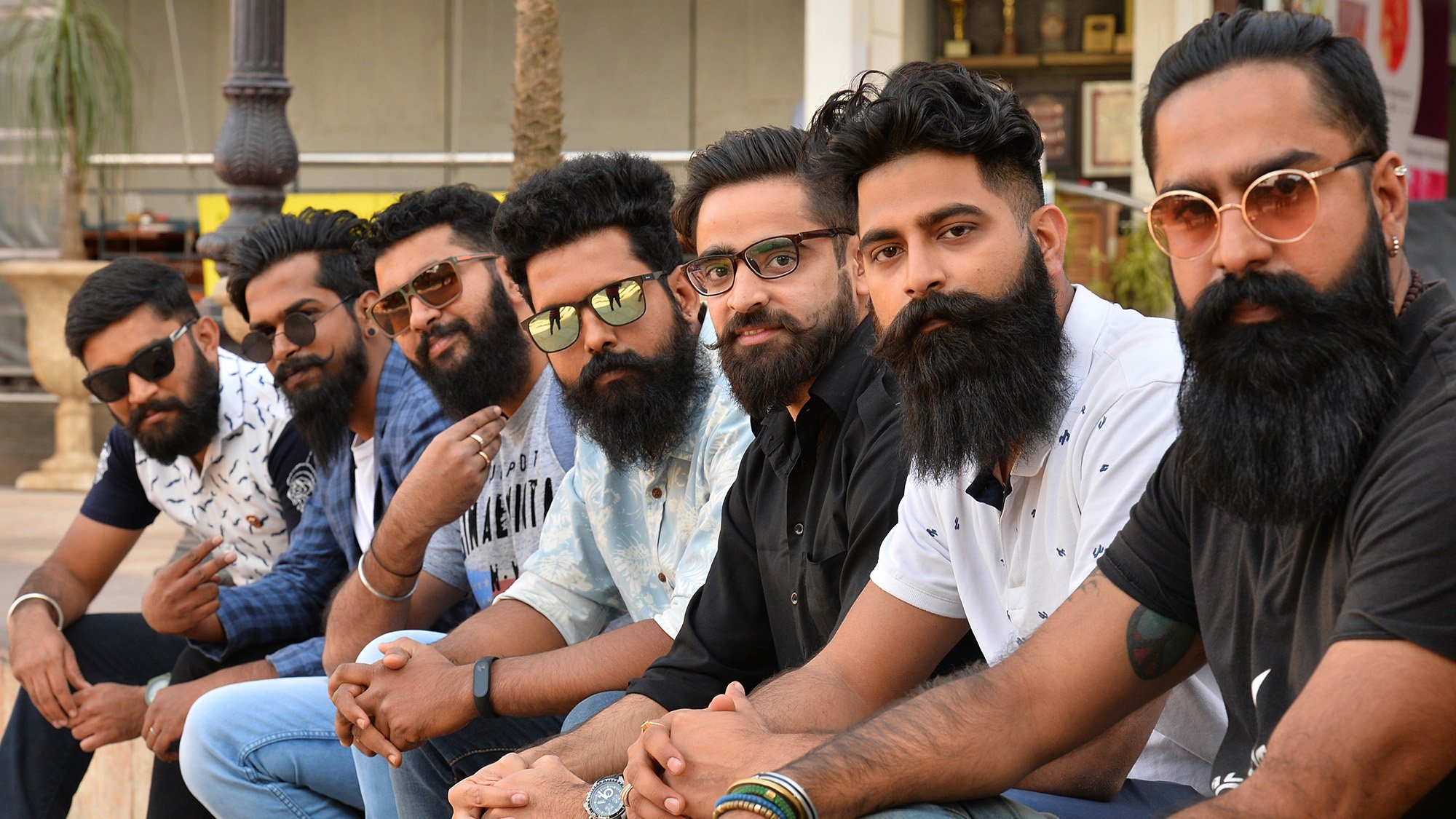
Charles Darwin—a man who is usually pictured sporting sideburns or a massive beard—famously suggested that male facial hair is like a peacock’s tail, “an ornament to charm or excite the opposite sex.”
As brilliant a scientist as he was, Darwin may not have been entirely right.
Do beards and mustaches make men more attractive?
In a study published in 2012, researchers asked women from two very different ethnic groups, Europeans from New Zealand and Polynesians from Samoa, to rate the attractiveness of the same male faces with and without a beard. In both places, women did not rate bearded faces as more attractive than clean-shaven ones, challenging Darwin’s idea that beards evolved because of female preference.
Researchers have done multiple other studies on the sexual attractiveness of male facial hair, and the results are too mixed for researchers to draw a clear conclusion. Some women prefer clean-shaven faces; others prefer stubble or a beard. If the purpose of a beard was truly related to sexual attraction, researchers would expect to find a clearer result, which suggests that beards may have evolved for a different reason.
Beards help with status among other men
While facial hair did not make men appear more physically attractive to women in the New Zealand-Samoa study, it did have other effects. Across both cultures, both women and men judged men with beards to be older and of a higher social status than the same men when clean-shaven. They also rated bearded men with an angry facial expression as significantly more aggressive than the same men when angry but clean-shaven.
“Facial hair probably functions to make men look more intimidating by exaggerating the apparent size of the lower face and jaw and signalling sexual maturity and the strength and formidability that come with that,” Dr. David Puts, a professor of anthropology and psychology at Pennsylvania State University, tells Popular Science.
So it’s likely that beards evolved to help men win social status among other men, which helped our male ancestors attract mates and have more children, says Puts.

Bearded Men Try Going Clean-Shaven
Beards may still play a role in modern male-to-male competition. A study looking at British facial hair fashions between 1842 and 1971 found that beards tend to become more fashionable when the ratio of single men to women is higher, in other words, when more men are competing for fewer women.
Beards can be armor during fights
When he wasn’t pondering the purpose of facial hair in men, Darwin spent some time thinking about male neck hair in species like lions, elk, and lynx. He proposed that it evolved mainly as physical protection to guard the vulnerable neck area during aggressive fights with rivals.
Could the same be true of beards in humans? To test this, a group of researchers developed a model that behaves in the same way as a human face. “We [couldn’t] exactly go around punching men with and without beards and measuring our results,” one of the researchers explained in a lecture.
To model the jawbone, they used a fiber epoxy composite that has the same physical strength and toughness as bone, and they used both shaven sheepskin and unshaven woolly sheepskin to simulate bare and bearded skin. Then they dropped weights on the models and measured the force of the impact.
The impact force was 16 percent greater on the shaved skin model compared with the unshaven model, suggesting that human beards may function as a kind of armor for the face, providing a small amount of protection against jaw fractures.
The idea that beards serve as a kind of protective pillow makes sense when you think about the potential effect of a strike to the face.
“As you can imagine, a jaw fracture in the evolutionary past, without the possibility of feeding through a straw for several weeks, would have been catastrophic,” Puts says. To this day, physical assault with a fist or blunt object is a leading cause of jaw fractures globally, second only to car accidents, Puts adds, with males having many more jaw fractures than females across societies, despite having thicker jawbones.
But a 2018 study using data from Ultimate Fighting Championship (UFC) mixed martial arts found that beards do not reduce knockouts or increase actual fighting ability. And some scientists argue that beards can actually be a disadvantage in hand-to-hand combat because opponents can grab onto them.
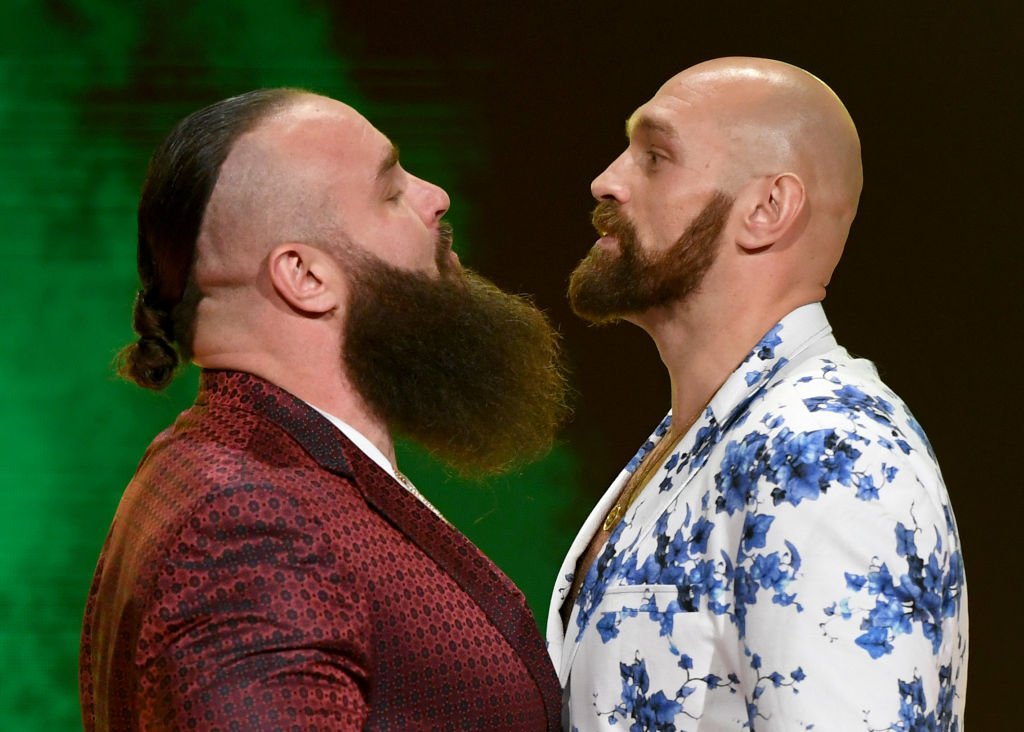
Bottom line
“Beards probably function mainly in winning status among males,” Puts concludes. For now, the beards-as-armor hypothesis remains up for debate.
“It is also possible that facial hair functions in part to attract females, but compared to the large and consistent effect on perceptions of dominance, the effect of facial hair on attractiveness to women is smaller and less consistent across societies and over time,” Puts says.
So, if you think bearded men look better than their clean-shaven counterparts, remember—all that just comes down to your own personal preference.
In Ask Us Anything, Popular Science answers your most outlandish, mind-burning questions, from the everyday things you’ve always wondered to the bizarre things you never thought to ask. Have something you’ve always wanted to know? Ask us.
KioskNews shows a cleaned-up reading view extracted from the publisher’s page — the original always lives on their site, not ours.