Israel faces emerging regional alignment as Syria turns to Pakistan after strikes - analysis
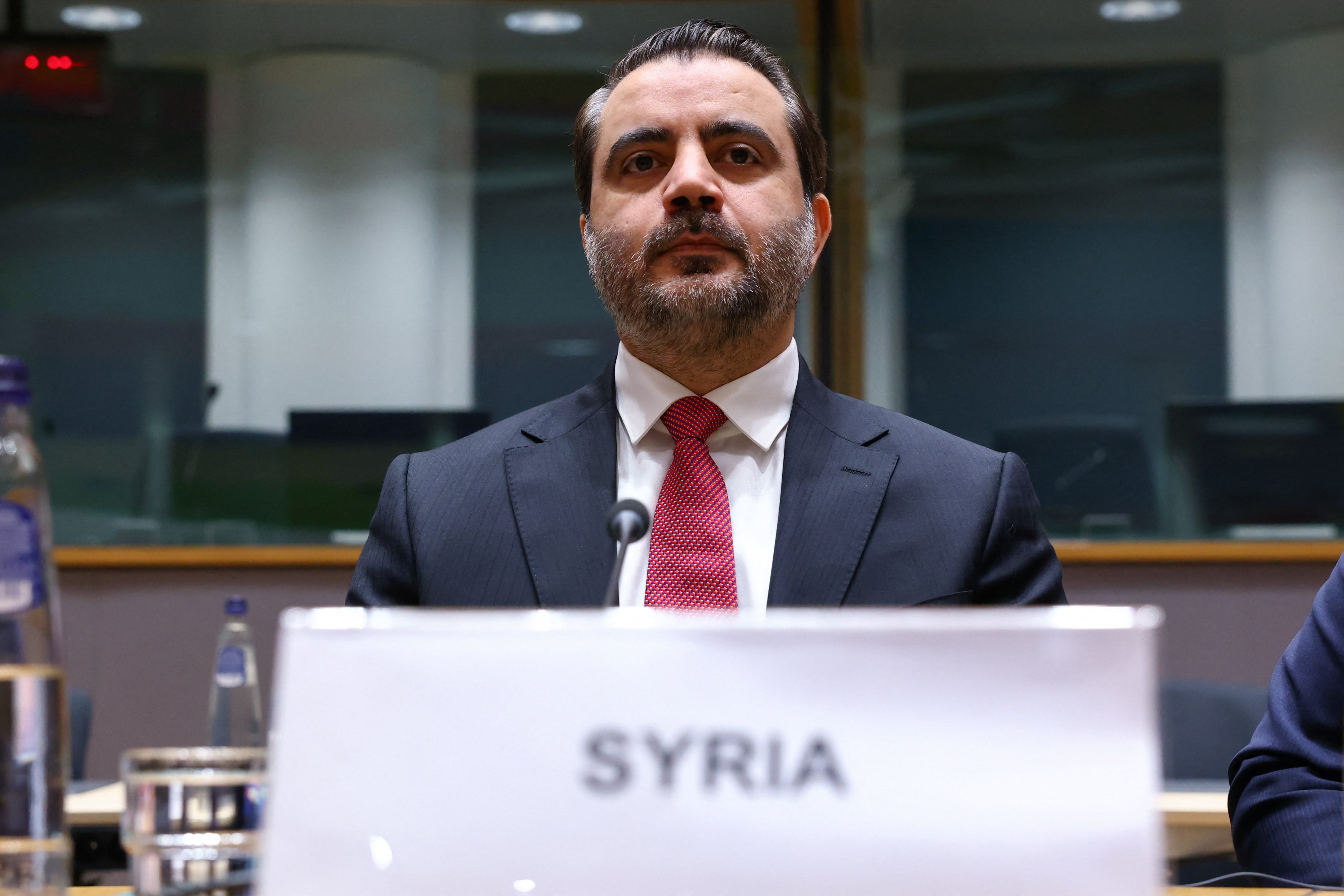
A day after Israel carried out airstrikes on northern Syria, the country’s foreign minister arrived in Pakistan. On August 20, Syrian state media SANA noted that “Syrian Minister of Foreign Affairs and Expatriates Asaad Hassan al-Shaibani met Pakistani Prime Minister Muhammad Shehbaz Sharif in Islamabad on Thursday as part of his historic visit to Pakistan.”
This is the first visit of this kind in 17 years. “The two sides discussed bilateral relations and ways to strengthen cooperation in various fields to serve their mutual interests. Al-Shaibani praised Pakistan’s constructive role in promoting regional peace and stability,” SANA noted.
The visit is important. It comes in the wake of Pakistan, Saudi Arabia, and Turkey agreeing to a new alliance.
Syria was not included, but it is clear that these three countries back Syria.
Damascus has condemned the Israeli strikes. Israel carried out the strikes overnight between August 17 and 18. Jerusalem has demanded that Turkey not expand its presence in Syria. The strikes on a military airport south of Aleppo were aimed at sending a message to Ankara.

Ankara to work closely with regional countries
Ankara has its own message: that it will be working more closely with regional countries. It is slowly moving toward creating a system of alliances to contain what it sees as Israel’s aggression.
Israeli officials have increasingly made comments about the chances for conflict in Syria.
There is also a perception that Turkey could become the “next Iran.” As such, Jerusalem views Syria as a sphere of influence for Israel.
Ankara also views Syria this way.
Turkey invaded parts of Syria between 2016 and 2019, when the country was run by the Assad regime. Now, Turkey has a partner in Damascus with the new leadership of President Ahmad al-Sharaa. Syria has been careful not to get sucked into a conflict with Israel.
In this context, Syria’s foreign minister wanted to show that his country would continue to carry on high-level historic diplomacy despite the strikes. Instead of seeing the strikes as a crisis, Damascus sees it as an opportunity.
What is the Syrian media saying?
“Foreign and Expatriates Minister Asaad Hassan al-Shaibani arrived in Islamabad, heading a high-level delegation on an official visit to the Islamic Republic of Pakistan,” SANA noted.
“The Foreign Ministry’s Media and Communications Department told SANA that the visit is the first by a Syrian foreign minister to Pakistan in 19 years, underscoring the importance of developing bilateral relations and boosting communication between the two countries.”
SANA added, “On August 14, marking Pakistan’s Independence Day, Syria’s Foreign Ministry reaffirmed the country’s commitment to strengthening bilateral relations with Pakistan and expanding cooperation across various fields.”
Meanwhile in Damascus, Sharaa “received Turkish Minister of Energy and Natural Resources Alparslan Bayraktar and his accompanying delegation at the People’s Palace in Damascus on Wednesday, in the presence of Minister of Energy Mohammad al-Bashir.”
This is also a message that despite the strikes, it is business as usual in Damascus. Turkey-Syria ties will improve on all levels.
“The meeting discussed ways to strengthen cooperation and partnership between Syria and Turkey in the energy sector, contributing to its development and supporting its stability,” SANA wrote.
As Syria positions itself to work closely with Pakistan and Turkey, there is also talk of expanding the new Pakistan-Turkey-Saudi Arabia alliance. This could include Egypt.
There are questions about why Cairo was not included in the group. One report said that Saudi Arabia had opposed Egypt joining. In a recent interview, “Turkish President Recep Tayyip Erdogan said Egypt could join the joint defense agreement recently signed by Turkey, Saudi Arabia, and Pakistan, describing Cairo’s accession as ‘possible’ and the pact as open to further members,” Al Jazeera noted.
“Speaking to Al Jazeera in an exclusive interview for Al Muqabala [The Interview], which will air on Sunday evening on Al Jazeera Arabic, Erdogan said the Mecca Joint Defense Agreement commits signatories to taking unified steps should any one of them come under external attack,” the report said.
The overall context is clear. Most of the countries around Israel prefer diplomacy. They are working closely together. Many of them view conflict as destabilizing. They want to bide their time and build up their capabilities. This could lead to a kind of policy of containment being aimed at Israel by these countries.
Talk of Saudi Arabia joining the Abraham Accords, which still occurs in Jerusalem, appears to underestimate how much Riyadh and other countries have become concerned about Israeli strikes in places like Syria. They want to see major shifts in Jerusalem’s policy.
Jerusalem has said that such a shift won’t happen, that Israel will continue its policies of strikes in Lebanon and Gaza, and that Israel is drawing a red line in northern Syria
KioskNews shows a cleaned-up reading view extracted from the publisher’s page — the original always lives on their site, not ours.