The Bill That Brought Congress And BJP Together, But Divided Their Allies

In the late 1980s, when former Prime Minister Rajiv Gandhi began pushing for women's representation in elected local bodies, he zeroed in on one woman he deemed fit to oversee the task -- Margaret Alva, a lawyer, whose long political career saw her become Governor of several states. Alva had a fairly modest proposition when she began arguing for greater political representation for women in India. First, start with the villages, demonstrate that women could govern, and then take the argument to the state assemblies and Parliament.
More than two decades later, as the Congress-led United Progressive Alliance (UPA) government attempted to secure parliamentary approval for a law reserving one-third of seats for women, Alva's 'gradualist' argument had acquired a new urgency. The government had the support of the Congress, the BJP and the Left parties, but it was facing opposition from some of its own allies.
Advertisement - Scroll to continue
The Congress would eventually secure the Bill's passage in the Rajya Sabha in March 2010, but it never crossed the final hurdle in the Lok Sabha. It was, in that sense, a parliamentary victory that remained incomplete.
READ | Sonia, Rahul Gandhi Fail To Convince MK Stalin To Change Delimitation Stance
The First Steps
"Let us start with the panchayats," Alva said.
Rajiv Gandhi's government introduced a constitutional amendment in 1989 seeking to reserve one-third of seats in rural local bodies for women.
Advertisement - Scroll to continue
The proposal was subsequently revived by Prime Minister PV Narasimha Rao. Constitutional amendments passed in 1992 and 1993 established one-third reservations for women in rural and urban local government institutions. They also provided for reservations for Scheduled Castes and Scheduled Tribes in proportion to their population, with one-third of those reserved seats set aside for women from these communities.
READ | 'Monster' In The Map: At Centre Of Delimitation Worry, A Long And Dreaded G-Word

Former Prime Minister Rajiv Gandhi.
The experiment produced a substantial expansion of women's participation in elections. Alva later pointed to the numbers between 1993 and 1996, when approximately one million women were elected to local bodies across the country. She argued that the number of women who had actually contested elections would have been considerably higher, meaning millions had experienced the political process even if they had not won.
The Bill That Repeatedly Failed
The first major attempt to reserve seats for women in the Lok Sabha and state legislative assemblies came in September 1996, when the United Front government led by Prime Minister HD Deve Gowda introduced the 81st Constitutional Amendment Bill.
The proposal pitched reserving one-third of seats in the legislatures for women. It was referred to a Joint Parliamentary Committee chaired by Geeta Mukherjee, which submitted its report in December 1996. The bill however failed to secure parliamentary approval before the Lok Sabha was dissolved, and subsequently lapsed.
READ | Rohit Pawar's "Maharashtra Dharma" Letter Puts Supriya Sule On The Spot
The succeeding governments encountered much the same difficulties.
Prime Minister IK Gujral attempted to revive it in 1997, but opposition within several parties prevented the government from building a consensus. The Samata Party, associated with Nitish Kumar, questioned whether a general women's quota would adequately represent women from Other Backward Classes (OBCs).
The BJP-led National Democratic Alliance (NDA) attempted to introduce the Bill again in 1998. The proceedings descended into chaos when Rashtriya Janata Dal (RJD) MP Surendra Prasad Yadav snatched the legislation from Speaker GMC Balayogi and tore it up in the House in a much publicised incident.
The Bill was reintroduced in 1999, 2002 and 2003, but none of these attempts resulted in its passage.
READ | Two-Thirds Plus Some: How PM Modi's Historic Delimitation Move Will Clear The Bar
Before the 2004 general election, then Prime Minister Atal Bihari Vajpayee accused the Congress of preventing the bill from moving forward and promised that the NDA would pass it if returned to power with a decisive mandate.
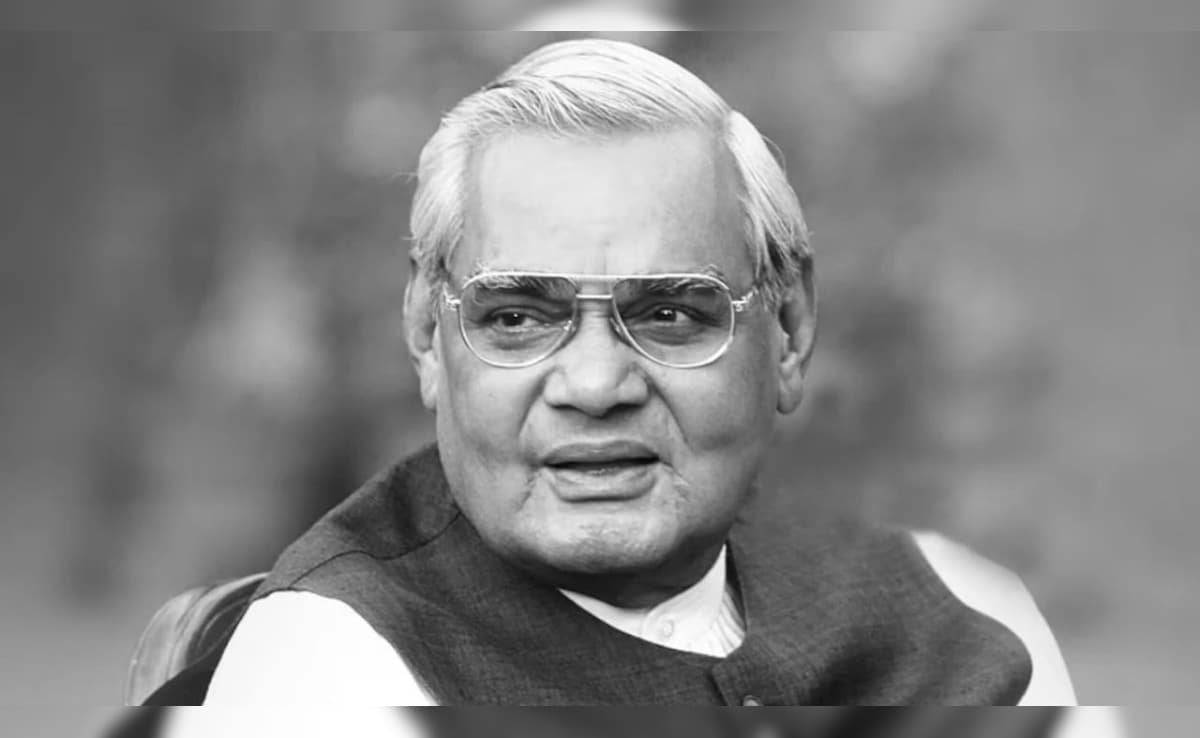
Former Prime Minister Atal Bihari Vajpayee
The Congress, which subsequently formed the UPA government under Manmohan Singh, included women's reservation in its Common Minimum Programme. The document promised legislation providing one-third reservation for women in the Lok Sabha and state assemblies. The BJP announced its support for the proposal in 2005, creating the possibility of a rare agreement between the two principal national parties.
But the disagreement over a separate quota for OBC women remained unresolved.
May 2008: A Bill Introduced
In May 2008, the Manmohan Singh government introduced the Constitution (108th Amendment) Bill in the Rajya Sabha, deliberately choosing the Upper House so that the legislation would not lapse with the dissolution of the Lok Sabha.
As Law Minister HR Bhardwaj prepared to table the bill, Samajwadi Party (SP) members rushed into the well of the House and attempted to snatch copies of the Bill. Congress MPs intervened to protect the minister, with then Women and Child Development Minister Renuka Chowdhury pushing away SP MP Abu Asim Azmi as the confrontation escalated.
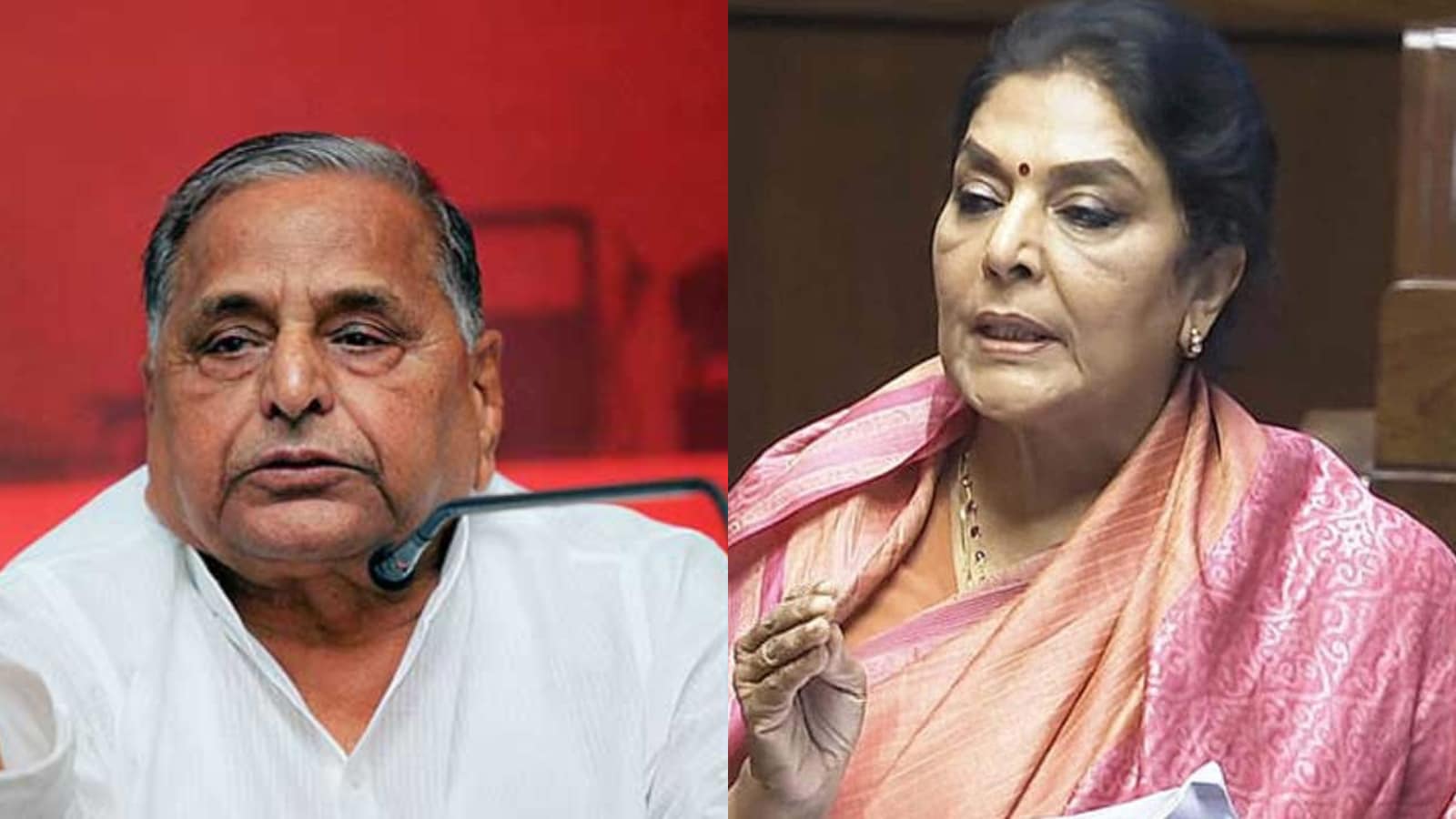
Mulayam Singh Yadav and Renuka Chowdhury
READ | Hemant Soren's JMM May Support Delimitation Push In Big Blow To Congress: Sources
Bhardwaj had been positioned between two women ministers, Kumari Selja and Ambika Soni, while Congress parliamentarians Jayanti Natarajan and Alka Balram Kshatriya helped shield him from protesting members. Prime Minister Manmohan Singh and Leader of the Opposition Jaswant Singh witnessed the proceedings. Several Lok Sabha MPs were also present in the visitors' gallery.
The legislation was eventually introduced despite the disruption.
The legislation was referred to the Parliamentary Standing Committee on Law and Justice, which recommended that it be passed without further delay. But even within the committee, there was disagreement. Two SP members, Virender Bhatia and Shailendra Kumar, submitted dissenting opinions. They maintained that they were not opposed to women's representation but disagreed with the structure.
They suggested that political parties should distribute at least 20 per cent of their tickets to women, that the overall reservation should not exceed 20 per cent and that women belonging to OBC and minority communities should receive specific representation.
2010: Sonia Gandhi's Insistence
By early 2010, the Congress leadership had decided that the legislation could no longer be allowed to remain indefinitely on the agenda.
The Union Cabinet cleared the Bill on February 25, 2010, following the Standing Committee's recommendations. Sonia Gandhi was particularly determined to see it passed in the Rajya Sabha, even when the government faced resistance from two important political allies -- Mulayam Singh Yadav's Samajwadi Party and Lalu Prasad Yadav's RJD.
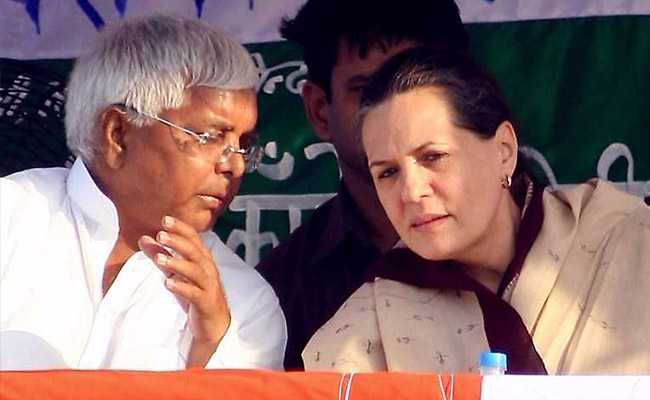
Sonia Gandhi and Lalu Prasad Yadav
READ | After Decades Of Defiance, The South Finds A New Path Through Delimitation
Both leaders opposed the legislation in its existing form, arguing that it would not adequately protect the political interests of Muslims and backward communities.
The confrontation became serious when the government attempted to bring the Bill to a vote. On the Monday preceding the crucial Rajya Sabha proceedings, the Congress deferred the vote after Mulayam and Lalu threatened to withdraw support to the government unless the legislation was amended.
The following morning, Manmohan Singh met the two leaders in an attempt to persuade them to reconsider. Neither appeared willing to retreat.
Later that afternoon, Mulayam and Lalu encountered Sonia Gandhi in the Lok Sabha and spoke to her for approximately 20 minutes. Sonia Gandhi subsequently recounted an exchange with Lalu to reporters.
"He has seven daughters. I was telling him that within his family there are seven for the Bill," Sonia Gandhi said.
Asked what was Lalu's reaction, she said "he just laughed."
The 'Half-Pass'
In March 2010, the Rajya Sabha passed the Women's Reservation Bill after a tumultuous sitting in which protesting MPs were removed from the House by marshals.
The bill still required approval from the Lok Sabha, where the government had not managed to secure the consensus necessary to move it forward. It eventually lapsed without being passed by the Lower House.
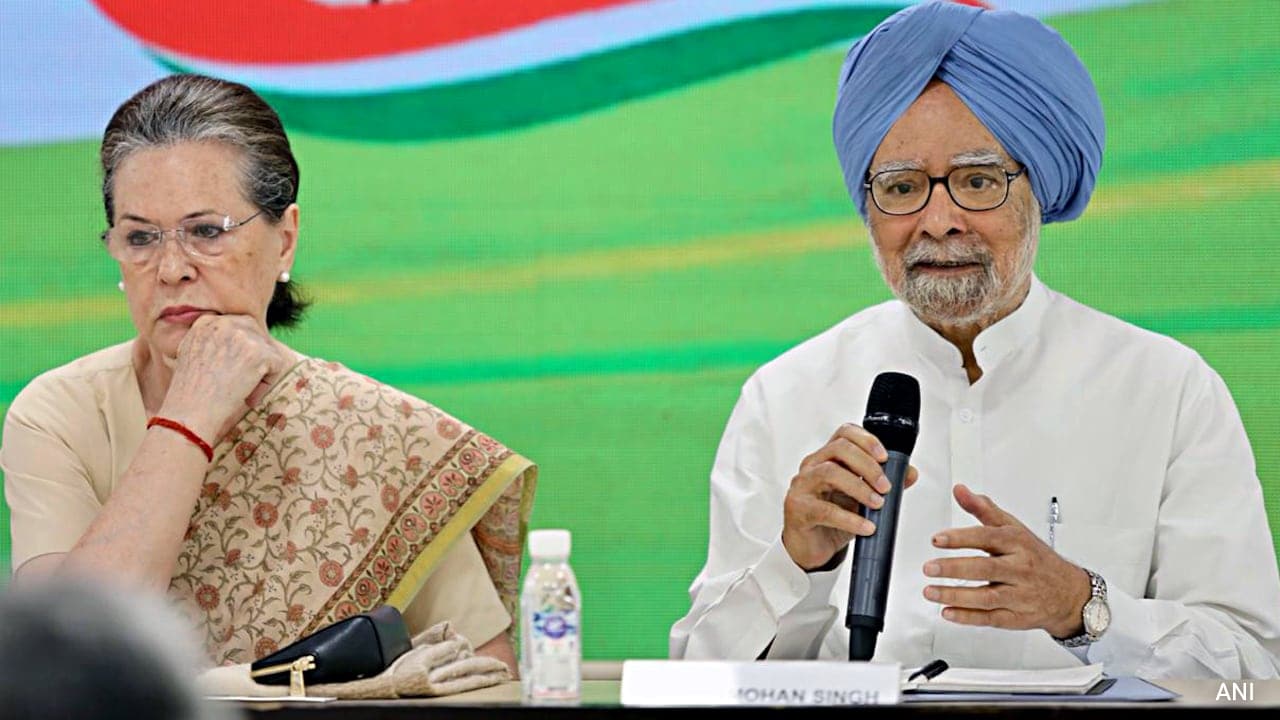
In March 2010, the Rajya Sabha passed the Women's Reservation Bill after a tumultuous sitting.
In the 2012 Uttar Pradesh Assembly elections, the SP won 224 seats, compared with 97 in 2007, while the BJP and Congress secured 47 and 28 respectively. Two years later, the BJP swept the 2014 general election, while the Congress was reduced to just 44 Lok Sabha seats. The SP and RJD also suffered significant electoral reverses.
The Women's Reservation Bill remained unfinished business. That was, until 2023.
In 2023, Parliament passed a bill that guaranteed a third of seats for women in Lok Sabha and state assemblies, with 454 of the 456 MPs present voting in favour.
Now, why has the matter come up in 2026 is because the Congress insists that while they support women's reservation (passed in 2023) but object to tying it to delimitation, arguing it should be implemented without waiting for delimitation.
KioskNews shows a cleaned-up reading view extracted from the publisher’s page — the original always lives on their site, not ours.