Hong Kong’s Election Committee race: should you care? Here’s what you need to know
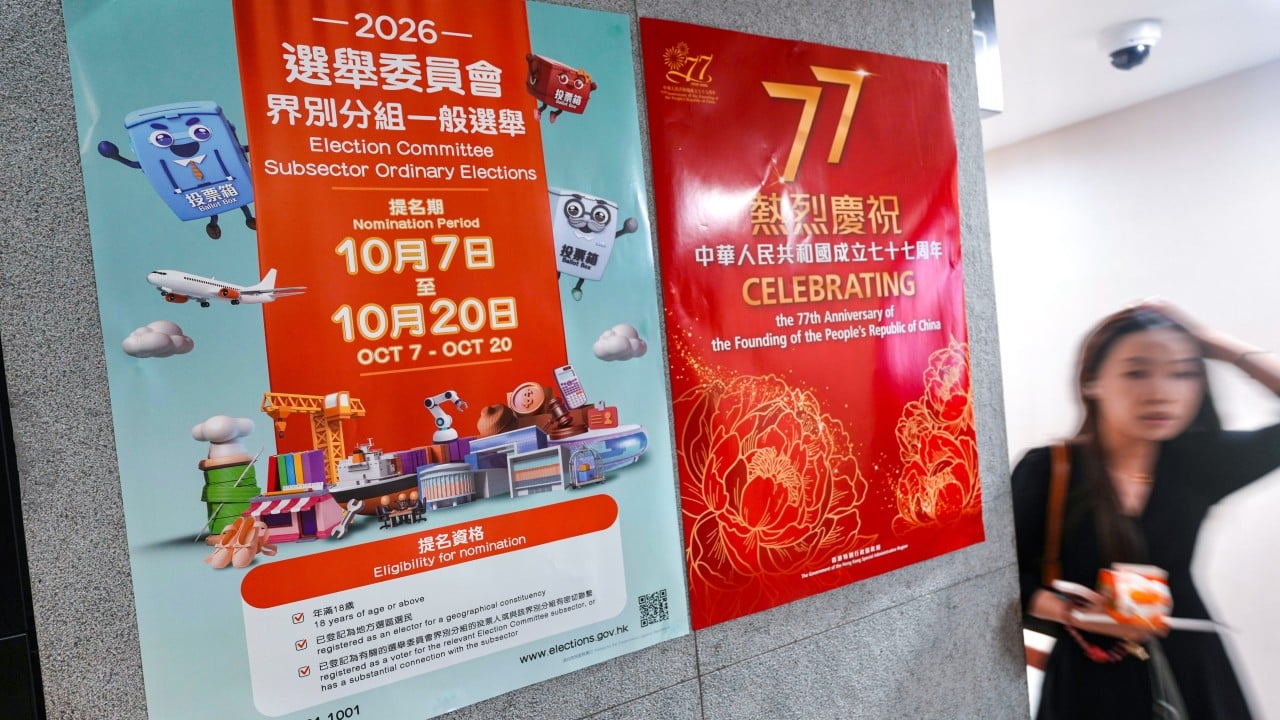
Nominations have closed for Hong Kong’s Election Committee election, setting the stage for the November 22 poll.
The poll, the second since Beijing overhauled the city’s electoral system to ensure patriots rule Hong Kong, will return 1,500 members who will nominate and vote in next year’s chief executive election.
Here’s all you need to know about the 2026 Election Committee Subsector Ordinary Elections, now that nominations have closed: from the hopefuls’ line-up and the heavyweights in the race to what happens next.
1. What is notable about the line-up?
The 1,500-member electoral college comprises 40 subsectors across five major sectors, each representing different interest groups in society. A total of 1,115 hopefuls signed up to run for the 982 elected seats, while designated bodies submitted nominations for 161 individuals.
When nominations closed, 31 of the 36 elective subsectors received more nominations than available seats and will go to a competitive poll.
That is a sharp increase from the 13 contested subsectors in 2021, and follows comments by some politicians that Beijing “encouraged competition” to foster a stronger electoral atmosphere.
But competition overall is not considered intense, with an average of 1.14 candidates vying for each seat. The social welfare and medical and health services subsectors face the fiercest contests, with 25 and 23 candidates respectively competing for 15 seats in each.
2. How many nominated John Lee in 2022?
About 60 per cent, or 587, of the Election Committee members elected in 2021 are seeking re-election. The re-election rate is highest in the committee’s fourth sector, which comprises lawmakers and district representatives.
Of the 1,276 nominations, roughly one in four – 336 individuals – previously nominated John Lee Ka-chiu in the 2022 chief executive election.
The proportion is highest in the Heung Yee Kuk, finance and Employers’ Federation of Hong Kong subsectors, where nearly 90 per cent of hopefuls had nominated Lee.
Lee was elected unopposed in May 2022, winning 99.2 per cent of ballots cast by Election Committee members.
3. Who are the hopefuls and what are they pushing for?
The line-up includes former senior government officials, prominent lawmakers and business figures.
Notable candidates include former secretary for justice Rimsky Yuen Kwok-keung, who stepped down in 2018 and is running in the legal subsector; former Legislative Council president Andrew Leung Kwan-yuen, contesting the industrial (first) subsector; and former secretary for food and health Sophia Chan Siu-chee, running in the medical and health services subsector.
From the business world, Henderson Land chairman Martin Lee Ka-shing and CK Asset executive director Justin Chiu Kwok-hung are running in the real estate and construction subsector. Billionaire Richard Li Tzar-kai, younger son of Hong Kong’s richest tycoon Li Ka-shing, has signed up for the Employers’ Federation of Hong Kong subsector.
Meanwhile, dozens of hopefuls – mostly in the district subsectors – have published campaign platforms on social media. Their most common pledges are to facilitate Hong Kong’s integration with the mainland, accelerate development of the Northern Metropolis and improve residents’ livelihoods.
4. What happens next?
The election will proceed in stages before polling day on November 22. All 1,276 nominations will first undergo a two-week vetting process by the Candidate Eligibility Review Committee, which takes advice from the Committee for Safeguarding National Security.
In the five uncontested subsectors – labour; education; associations of Chinese fellow townsmen; representatives of Hong Kong members of relevant national organisations; and sports, performing arts, culture and publication – valid candidates will be declared elected automatically once vetting is complete.
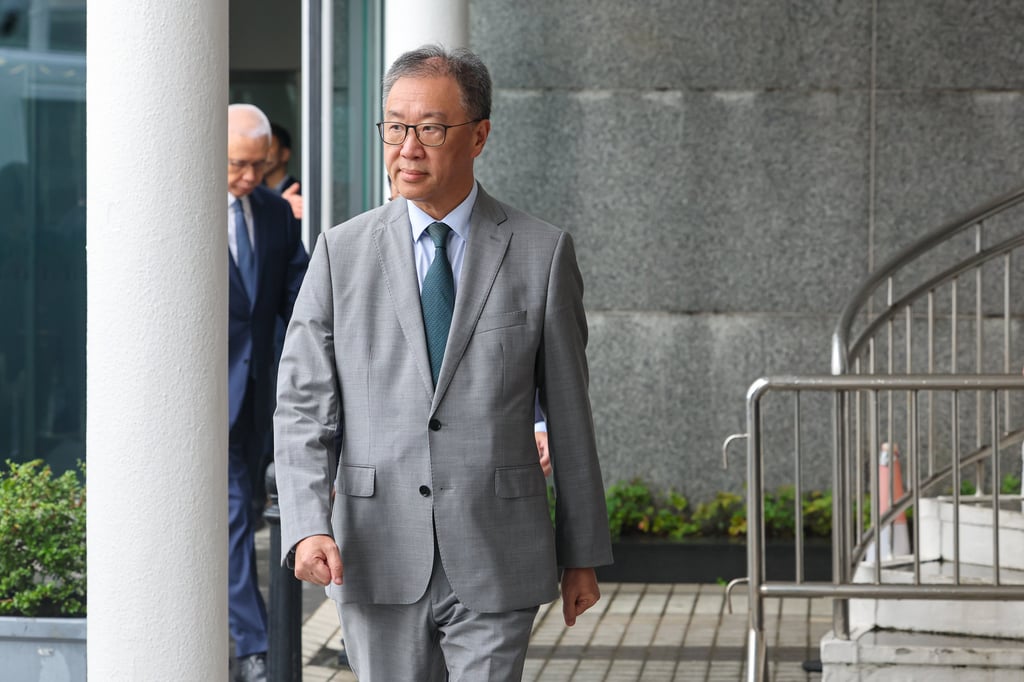
For the 31 contested subsectors, the Electoral Affairs Commission will hold a candidate briefing on November 3 at Queen Elizabeth Stadium. Chaired by EAC chairman Justice David Lok Kai-hong, the session will explain the electoral guidelines and key rules for the campaign period.
5. What happens on polling day and beyond?
Only 5,757 registered voters are eligible to cast ballots on November 22, with voting primarily conducted by corporate bodies.
The election will return 982 elected members, who will join 362 ex-officio members and 156 members nominated by designated bodies to form the full 1,500-member Election Committee.
The new committee will take office for a five-year term on February 1, 2027. Its central role will be to nominate and elect Hong Kong’s next chief executive in early 2027, as well as to nominate candidates and elect 40 of the 90 lawmakers in the 2029 Legco election.
KioskNews shows a cleaned-up reading view extracted from the publisher’s page — the original always lives on their site, not ours.