DJB plans ₹149 crore sewer line through Yamuna floodplain to curb sewage overflows
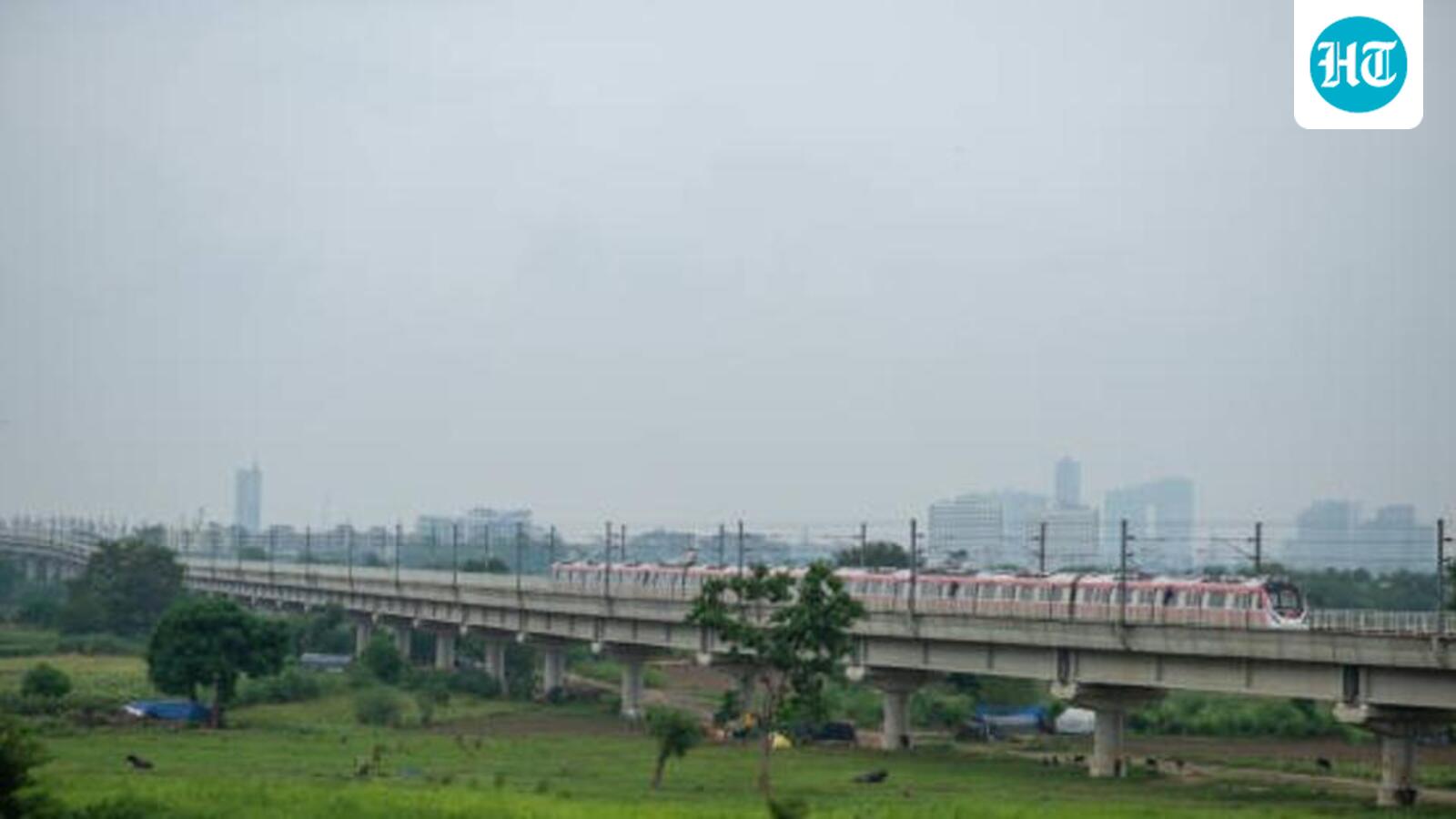
The Delhi Jal Board (DJB) plans to lay an 8.34-km sewer rising main through the Yamuna’s ecologically sensitive floodplain to carry sewage from the Ring Road pumping station to the Okhla sewage treatment plant (STP).
The upcoming 1,800mm-diameter pipeline has received administrative approval of its estimated cost of ₹148.90 crore from the DJB board, according to the project details.
The civic utility says the new line will help address recurring sewage overflows caused by three ageing gravity ducts, built in 1938, 1972 and 1992, which have become inadequate and silted up.
DJB has invited bids for laying rising main from Ring Road pumping station to Okhla STP through Yamuna flood plain alignment dated October 26. The project has an estimated value of approximately ₹140.04 crore and a completion period of 1.5 years.
“The project is intended to convey sewage directly to the 124-million-gallon-a-day Okhla STP, reducing the load on the existing ducts and minimising overflows and foul conditions in the Sriniwaspuri, Kalkaji, NFC and Captain Gaur Marg areas, particularly during the monsoon,” officials added.
Challenges ahead
However, the proposed alignment through the Yamuna floodplain raises questions about how the pipeline will be constructed without compromising the floodplain’s ecological functions, including its capacity to accommodate floodwater and support groundwater recharge.
The floodplain is not an ordinary construction corridor.
The Delhi Development Authority’s (DDA) planning framework emphasises ecological restoration, the preservation of floodwater-storage areas and restrictions on construction in the river’s floodplain. Its draft Master Plan 2041, for instance, states that no permanent construction should be permitted in the floodplain.
Also Read:Minor gangrape: DDA installs 105 lights, 4 CCTV cameras at Aastha Kunj Park
The key question is whether the pipeline can be laid with minimal disturbance to the floodplain’s terrain, vegetation, drainage patterns and water-retention capacity. Construction-related excavation, access roads, soil dumping and restoration of the disturbed land would also need scrutiny. The project presents a critical infrastructure challenge of improving sewage conveyance without creating new environmental pressures along the river.
Bhim Singh Rawat, Yamuna activist and member of the South Asia Network on Dams, Rivers and People (SANDRP), said that no further construction should be permitted in Yamuna floodplains which have already been encroached to great extent.
Also Read: DDA orders structural audits of pre-2001 high-rises amid building collapse concerns
“What happened to the interceptor sewage project which was supposed to divert all this sewage? Hundreds of crores have gone down the drain. Delhi needs to learn lessons from its failures. We keep targeting floodplains with projects like riverfront, flood wall, sewer lines which harm the river ecosystem in long run,” he added.
KioskNews shows a cleaned-up reading view extracted from the publisher’s page — the original always lives on their site, not ours.