‘A warning saved my life’: can Hongkongers trust smartwatches, or are they being misled?
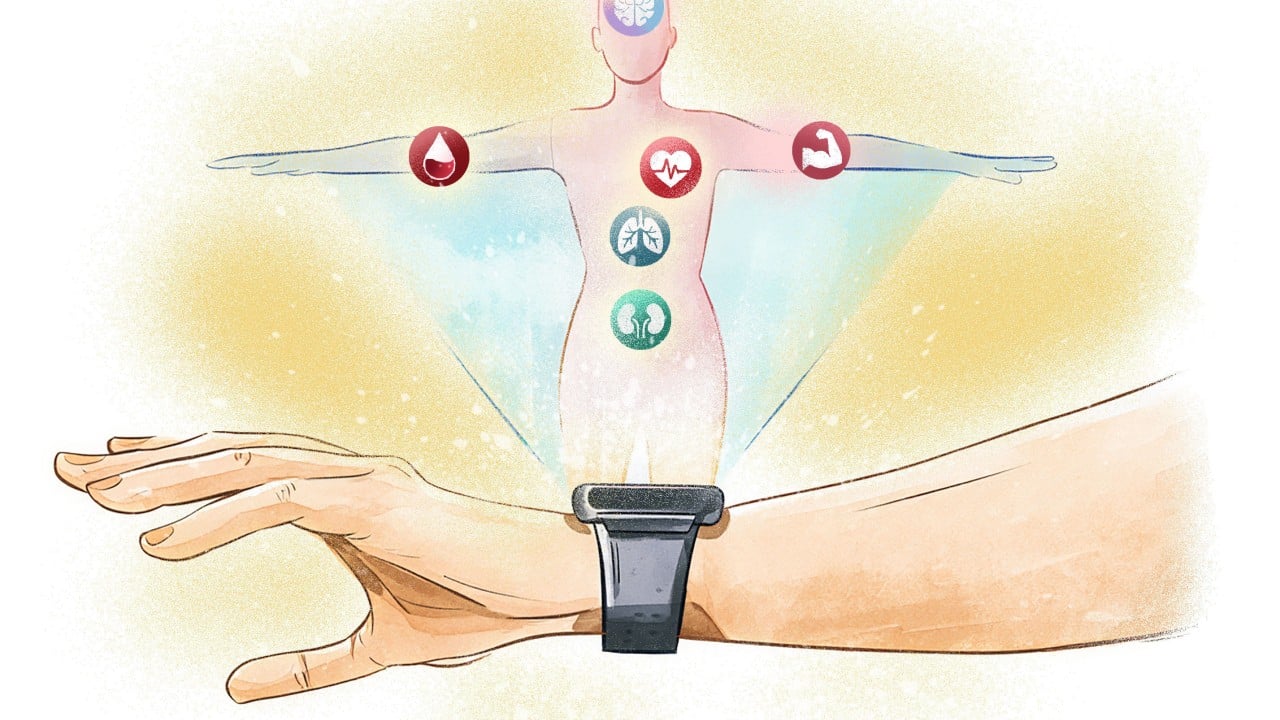
In the third instalment of a five-part Health Matters wellness series on Hong Kong’s growing wellness trends, Victor Ting examines how wearable devices are reshaping personal healthcare in the city, as experts caution that they should not replace professional medical advice.
Alice Wong had little idea how seriously ill she might become until unusual patterns on her smartwatch prompted her to seek medical advice.
A year ago, Wong, who was still in her twenties, had bought the device but paid little attention to it. That changed when she received an unusual notification warning her of an irregular heart rhythm.
What followed was a health scare and a visit to a local doctor, who diagnosed her with atrial fibrillation, or AF – an irregular heart rhythm in which the atria, the heart’s upper chambers, beat chaotically. The condition can reduce the heart’s efficiency and significantly increase the risk of blood clots, stroke and heart failure.
“I am a young and fit adult. I exercise regularly and have never previously had a serious medical episode. I don’t go for medical check-ups often, so I dread to think what could have happened if my device had not picked this up,” said Wong, who has since begun taking medication and expects to make a full recovery.
While medical practitioners, fitness experts and technology developers told the South China Morning Post that wearable devices had significant potential to support personalised and proactive healthcare, some also warned against misusing the technology or treating wearables as substitutes for doctors.
Commercial wearable technology differs from medical-grade wearables and diagnostic tools. It generally focuses on health and lifestyle tracking, monitoring metrics such as exercise, heart rate and sleep.
KioskNews shows a cleaned-up reading view extracted from the publisher’s page — the original always lives on their site, not ours.