iPhone 18 Pro vs iPhone 17 Pro: Which one should you opt for?
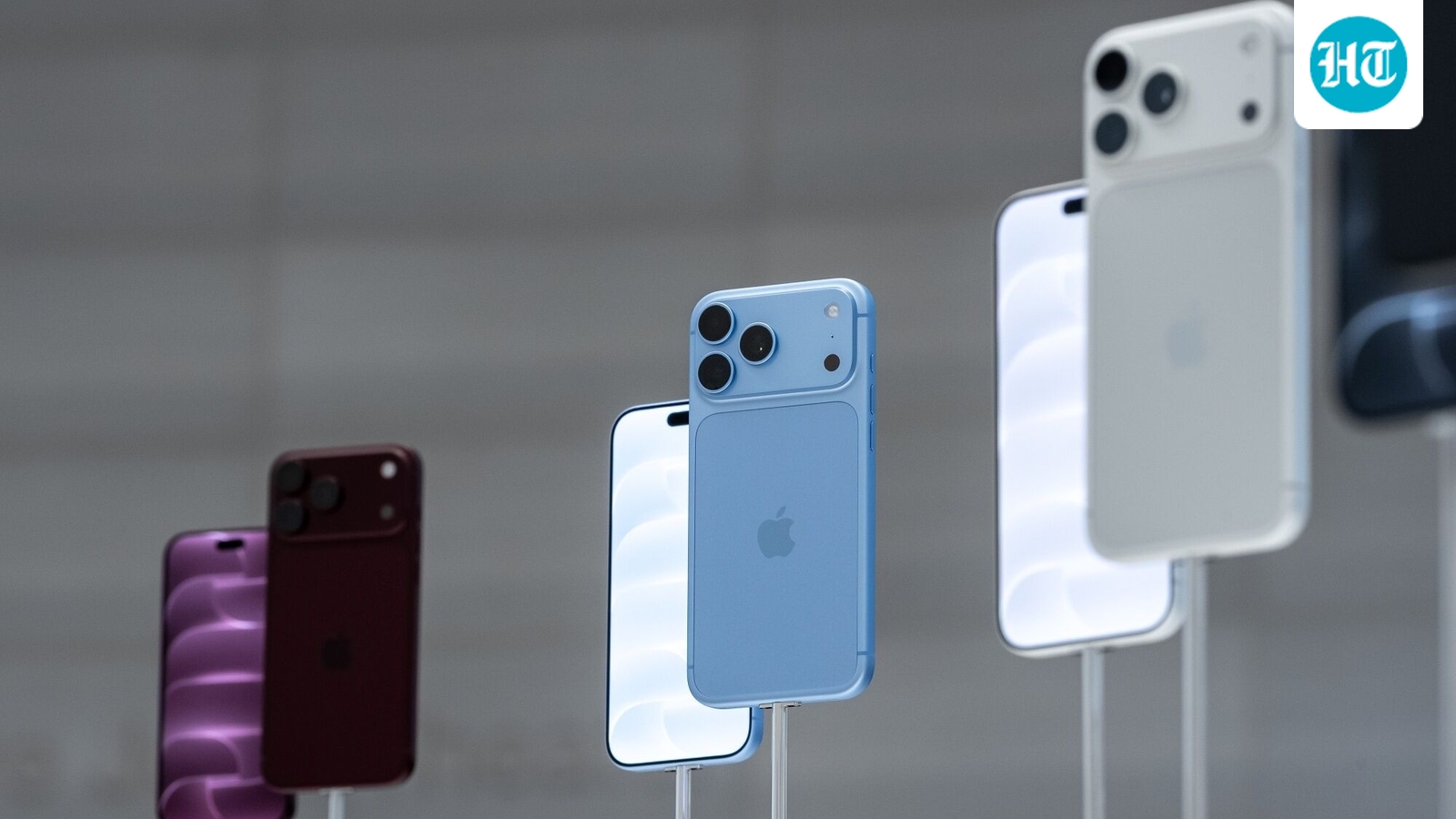
Apple iPhones are not just smartphones for many buyers in India. They are also seen as a luxury and a status symbol. And with the arrival of the brand-new iPhone 18 and iPhone 18 Pro Max, the usual question is back: should you buy the latest iPhone or continue using the iPhone 17 Pro?
For those considering an upgrade, the difference between the iPhone 17 Pro and iPhone 18 Pro is worth looking at closely. While the two phones share several similarities, the newer model brings some changes, particularly in the processor.
iPhone 18 Pro vs iPhone 17 Pro: Changes?
At first glance, the iPhone 18 Pro does not appear dramatically different from the iPhone 17 Pro. Both phones have the same 6.3-inch screen and the same dimensions.
The screen resolution also remains unchanged at 2,622 by 1,206 pixels. So, if display size and resolution are the main reasons behind your decision to buy iPhone 18 pro, there is no difference between two models.
The bigger changes in the two models comes in the areas of software, processor and the front camera.
A20 Pro vs A19 Pro
The iPhone 17 Pro comes with Apple’s A19 Pro chip, and iPhone 18 Pro moves to the newer A20 Pro.
For users who prefers the latest processor this is one of the biggest reasons to consider the iPhone 18 Pro. However, the benefits of new processor will depend on how you use your phone.
For regular activities such as browsing, messaging, social media and general use, switching to 18 Pro seems little necessary for an iPhone 17 Pro user.
Also read: Apple Unveils iPhone 18 Pro Series With A20 Pro Chip & New Gen Of Powerful Features
iPhone 18 Pro vs iPhone 17 Pro: Camera
The rear camera setup remains similar between the two models, with the iPhone 17 Pro listed with three 48MP rear cameras.
The iPhone 18 Pro also gets three 48MP rear cameras. This means users looking primarily at the rear camera resolution will find little difference on paper.
Both iPhone 17 Pro and 18 pro has an 18MP front-facing camera.
For users who frequently take selfies, make video calls, and create contents using front camera the newer model can provide more quality visuals.
Also read: iPhone 18 Pro, Pro Max complete specs: New colours, camera, battery, display, processor, and more
What about battery life?
The iPhone 18 Pro claims up to 29 hours of battery life, which is more than four hours longer than the previous generation with a better video playback performance. This suggests that the newer model could offer a noticeable improvement in battery performance.
Also read: iPhone 18 Pro Max could be Apple's most expensive iPhone yet: Here's why
iPhone 18 Pro vs iPhone 17 Pro: Price
Price is another important part before taking a decision.
The iPhone 17 Pro starts at ₹134900 for the 256GB version, while the iPhone 18 Pro starts at ₹164900.00 for the same 256GB storage.
The 512GB iPhone 17 Pro is priced at ₹154900 , compared with ₹188900 for the iPhone 18 Pro. The 1TB models cost ₹174900 and ₹239900 respectively.
The iPhone 18 Pro also comes with a 2TB option.
For someone buying a Pro iPhone for the first time, the iPhone 18 Pro offers the newer A20 Pro processor and iOS 27.
But if you already own an iPhone 17 Pro, the decision is less straightforward. The screen size, dimensions, resolution and rear camera setup remain largely the same on paper.
The iPhone 18 Pro therefore looks more like an upgrade for users who specifically want the latest processor, newer operating system rather than a complete change in the overall phone experience.
iPhone 18 Pro vs iPhone 17 Pro: Verdict
If you already have the iPhone 17 Pro and are happy with its performance, it is reasonable to keep it. The similarities between the two models mean that the upgrade may not feel dramatic for every user.
In short, the iPhone 18 Pro is the better choice for buyers who want the latest model, while iPhone 17 Pro owners may find it sensible to keep their current phone unless the newer processor and other features are important enough to justify the extra cost.
KioskNews shows a cleaned-up reading view extracted from the publisher’s page — the original always lives on their site, not ours.