Civilization studio Firaxis Games lays off a third of staff
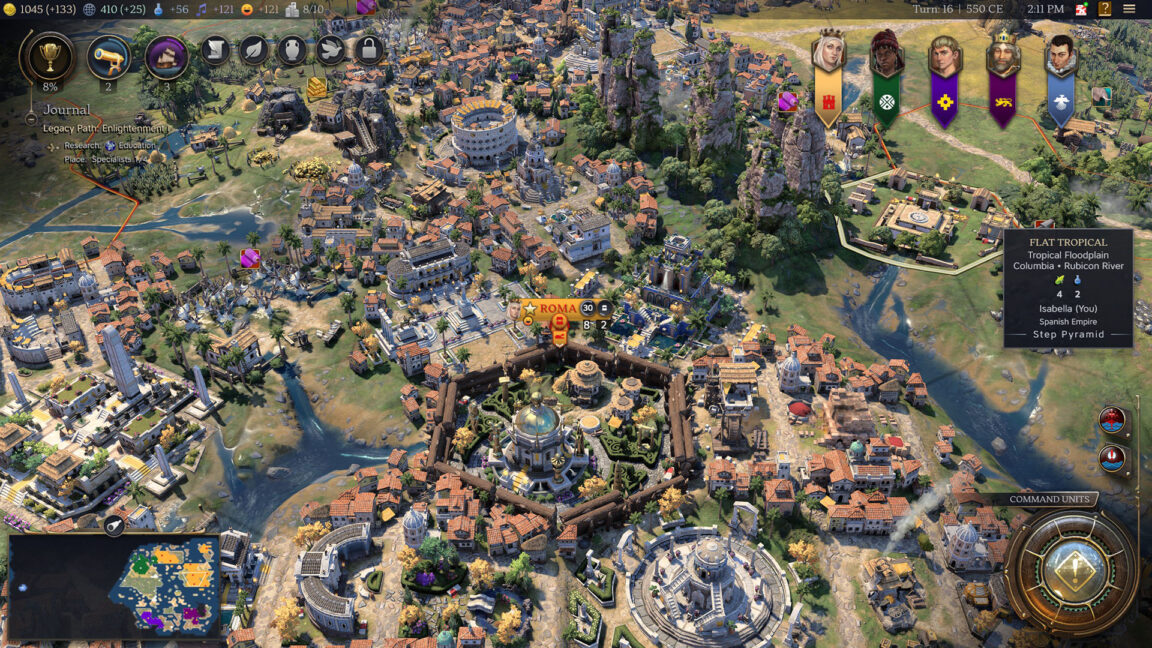
The game has found more fans in recent months, but a portion of the Civilization audience will likely never fully warm to it due to its ages system—a design choice that partially solved many long-standing pacing problems, but at the cost of altering the core experience.
Before that, Firaxis worked on Marvel’s Midnight Suns, which had a more positive reception in terms of sentiment but does not seem to have sold as many units as the company had hoped. Now, with the new XCOM title facing challenges, that’s three troubled games in a row.
To top it off, most of Firaxis’ direct competitors in the strategy game market are much leaner and not beholden to a major publisher. (The publisher for the Civilization franchise is 2K Games, the same studio that publishes the soon-to-launch Grand Theft Auto VI, which is expected to do huge numbers.)
The industry at large has seen widespread layoffs and studio closures over the past few years. There’s no single reason for that; rather, there are numerous factors, including contraction after COVID-era over-investment, increased competition, changes in leadership culture at major publishers, and larger economic factors beyond the scope of just the games industry.
KioskNews shows a cleaned-up reading view extracted from the publisher’s page — the original always lives on their site, not ours.